Flat-Backed Millipedes
polydesmida
Flat-Backed Millipedes are fascinating creatures that love to curl up in tight spaces. They have many tiny legs that help them move around quickly in their habitats!
Habitat: They live in damp forests, gardens, and under leaf litter.
The Flat-Backed Millipedes has a distinctly flattened body, giving it a broad, ribbon-like appearance. They often display drab colors like brown or black, sometimes with striking yellow or orange markings along their sides. This flat shape helps them squeeze into narrow crevices.
Category
InvertebrateRarity
Common
Danger
0/5 · No known danger
Snaps
Be the first to snap!
Baby millipedes are born with only a few legs, growing more with each time they shed their skin.
Flat-backed millipedes have a special breathing pore on almost every body segment.
Some Flat-Backed Millipedes can glow in the dark, lighting up the forest floor at night!
Their bright yellow or orange markings often warn predators that they taste very bad!
Flat-Backed Millipedes can release foul-smelling or toxic chemicals because of glands on their sides that deter predators.
Flat-Backed Millipedes have tough, overlapping segments that help them protect their soft underside from attacks.
Flat-Backed Millipedes has a low-profile body that helps them squeeze into tight spaces under bark and rocks for safety.
These tiny clean-up crew members eat dead plants, helping return nutrients to the soil.
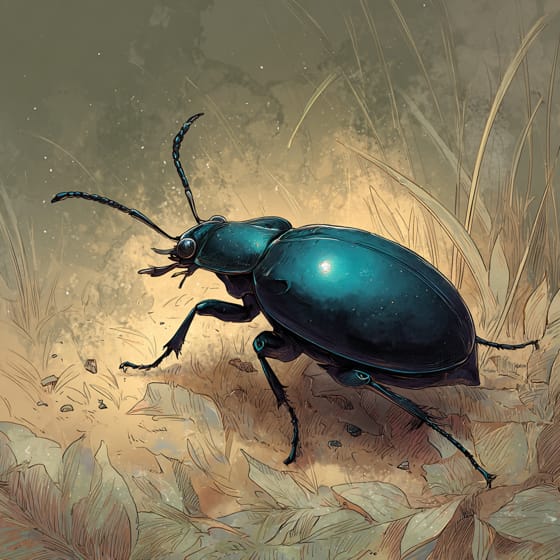
Carabus nemoralis
Ground beetles are known predators of various invertebrates.
Formica rufa
Some ant species prey on smaller invertebrates like millipedes.
Hylodes asper
Amphibians often feed on forest floor invertebrates.
Quercus robur
Feeds on fallen leaves and decaying wood from oak trees.
Burrowing animals dig tunnels and chambers in the ground, using these subterranean structures for shelter, hunting, or breeding.
This trait characterizes organisms whose diet consists entirely or primarily of plant material.
Describes organisms that break down dead organic material, recycling nutrients back into the ecosystem.
Forest habitats are terrestrial environments dominated by dense tree cover, supporting a high diversity of plant and animal life.

Nocturnal animals are primarily active during the nighttime hours, typically resting or sleeping during the day.
Danger
0/5 · No known danger
Always wash your hands after touching any insects!
The easiest way to identify Flat-Backed Millipedes is to use the Snappit nature identifier app.
10-120 mm
50-5000 mg
These tiny clean-up crew members eat dead plants, helping return nutrients to the soil.
They live in damp forests, gardens, and under leaf litter.
Foraging
19-30
40-200
Zoom in to split clusters and explore where this object has been snapped.
Recent snaps will appear here as new observations are added.
Take the discovery with you
Snap it with Snappit to identify it, learn what makes it special, and add the discovery to your collection.