





Florida Airplant
tillandsia × floridana
The Florida Airplant is a unique plant that doesn't need soil to grow! It gets all its nutrients and water from the air and rain.
Habitat: Florida's coastal areas and forests, often seen hanging from trees.
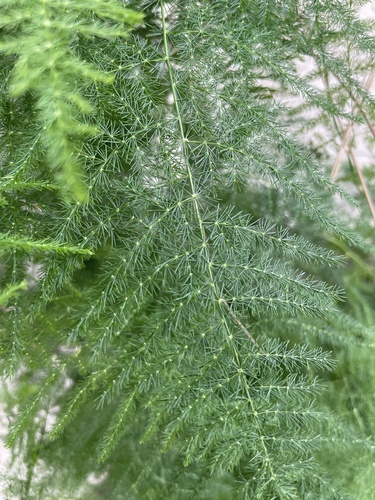
The Florida Airplant is a small, silvery-green plant forming a compact rosette. Its leaves are covered in tiny, fuzzy scales called trichomes, giving it a soft, greyish appearance that distinguishes it from other smooth-leafed plants. It can sometimes develop a reddish blush when stressed or blooming.
Category
PlantsRarity
Common
Danger
0/5 · No known danger
Snaps
Be the first to snap!
Did you know airplants are technically part of the pineapple family? They're very distant cousins!
Some tiny creatures, like frogs and insects, use airplants as mini hideouts in the jungle canopy!
Unlike most plants, airplants don't use their roots to drink water; their roots are just sticky anchors!
When an airplant blooms, it often makes baby airplants, called 'pups,' that grow right from its base!
Florida Airplant has special fuzzy scales called trichomes that help it absorb water and nutrients directly from humid air and rain, without needing soil.
Florida Airplant can grow perched high on tree branches, using tiny roots only for gripping, allowing it to reach sunlight away from ground-dwelling predators.
Florida Airplant can perform CAM photosynthesis, opening its pores at night to collect carbon dioxide, which drastically reduces water loss during hot, sunny days.

Archilochus colubris
Visits flowers for nectar.
Apis mellifera
Collects pollen and nectar.
Hyla cinerea
Hides within the plant's rosette.
Metamasius callizona
Larvae feed on the plant.
Arboreal animals live primarily in trees, utilizing them for shelter, food, and protection from predators.
Colorful describes organisms or objects displaying a wide range of bright and distinct colors.
Coastal habitats are dynamic environments located along the interface between land and sea, influenced by tides, waves, and saltwater.
Diurnal animals are primarily active during daylight hours, typically resting or sleeping at night.

Endangered status indicates a species is at a very high risk of extinction in the wild in the near future.
Danger
0/5 · No known danger
No special safety notes yet.
The easiest way to identify Florida Airplant is to use the Snappit nature identifier app.
10-30 cm
10-30 cm
0.5-1.5 cm
Spring-summer
No
None
Perennial
Zoom in to split clusters and explore where this object has been snapped.
Recent snaps will appear here as new observations are added.
Take the discovery with you
Snap it with Snappit to identify it, learn what makes it special, and add the discovery to your collection.









.jpg&width=800)



_001.jpg&width=800)




