





white-veined wintergreen
Pyrola picta
White-veined wintergreen is a lovely plant with shiny leaves and small white flowers. It grows close to the ground and loves shady places in the forest.
Habitat: Forests
The white-veined wintergreen has striking dark green, oval leaves with prominent, contrasting white or pale green veins, making them look almost marbled. Its small, waxy flowers are typically greenish-white to pinkish, nodding from a slender stalk above the foliage.
Category
PlantsRarity
Common
Danger
1/5 · Very low
Snaps
2
Finding its tiny, bell-shaped flowers hidden on the forest floor is like a treasure hunt!
Its scientific name 'Pyrola' means 'little pear' because its leaves resemble small pear leaves!
Some Native American tribes traditionally used its leaves to make soothing remedies.
Unlike most plants, it happily grows in deep shade, needing very little direct sunlight.
White-veined wintergreen has evergreen leaves that can photosynthesize even under snow, allowing it to grow when other plants are dormant.
White-veined wintergreen can steal nutrients from underground fungi, giving it an extra boost of food to thrive in shady forests.
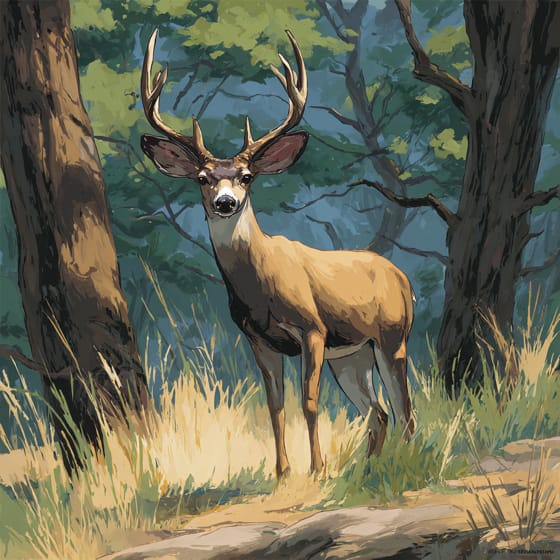
Odocoileus hemionus
Deer may browse its evergreen leaves.
Bombus occidentalis
Bumblebees are key pollinators for its waxy flowers.
Tomentella sublilacina
The plant relies on fungi for nutrients in low light.
Flowering plants are any plants that produce flowers as part of their reproductive cycle.
Shade tolerant plants are adapted to grow and thrive in areas with low light levels, requiring less direct sunlight.
Summer blooming plants produce their flowers during the summer season, often providing vibrant color when many other plants have finished.
Evergreen plants retain their foliage throughout the year, never shedding all their leaves at once.

Fragrant flowers emit a pleasant aroma, often to attract pollinators or for defense.

Edible plants are those parts of a plant that are considered safe for human consumption.

Forest habitats are terrestrial environments dominated by dense tree cover, supporting a high diversity of plant and animal life.
No aliases listed yet.
Danger
1/5 · Very low
Do not eat any plants unless an adult says it's safe.
The easiest way to identify white-veined wintergreen is to use the Snappit nature identifier app.
10-30 cm
0.5-1 cm
Late spring to summer
No
None
Perennial
Insect
Zoom in to split clusters and explore where this object has been snapped.

Oregon, US
You might spot White Pasqueflower and Clark's Nutcracker.
View guide →
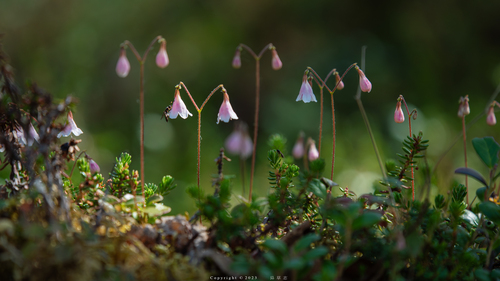
British Columbia, CA
You might spot Twinflower and Western Rattlesnake Plantain.
View guide →

California, US
You might spot Sequoia, Mule Deer, and Black Bear.
View guide →

California, US
You might spot Sequoia, Mule Deer, and Black Bear.
View guide →

Oregon, US
You might spot Clark's Nutcracker.
View guide →
Take the discovery with you
Snap it with Snappit to identify it, learn what makes it special, and add the discovery to your collection.







.jpg&width=800)


_001.jpg&width=800)

