





Florida swampprivet
Forestiera segregata
The Florida swampprivet is a small shrub that loves wet areas like swamps. It has shiny green leaves and can grow small, sweet-smelling flowers that attract butterflies and bees.
Habitat: Wetlands
The Florida swampprivet is a deciduous to evergreen shrub or small tree with shiny, oval, light green leaves. It produces clusters of tiny, greenish-yellow flowers in early spring, followed by small, dark purplish-black, olive-like berries.
Category
PlantsRarity
Common
Danger
1/5 · Very low
Snaps
Be the first to snap!
Birds love its berries so much, they help spread its seeds far and wide, planting new swampprivets!
Despite its name, it's not a true privet! It's actually related to the olive tree.
Its tiny flowers appear before the leaves in late winter, painting branches with a subtle green-yellow glow!
Male and female flowers grow on separate plants, so you need both for berries to grow!
Florida swampprivet has specialized roots that help it tolerate salty soils, allowing it to thrive near coastal areas.
This plant can withstand both occasional flooding and drought, making it resilient in its varied swampy and dry habitats.
Florida swampprivet produces abundant berries that provide a crucial food source for many bird species during fall and winter.
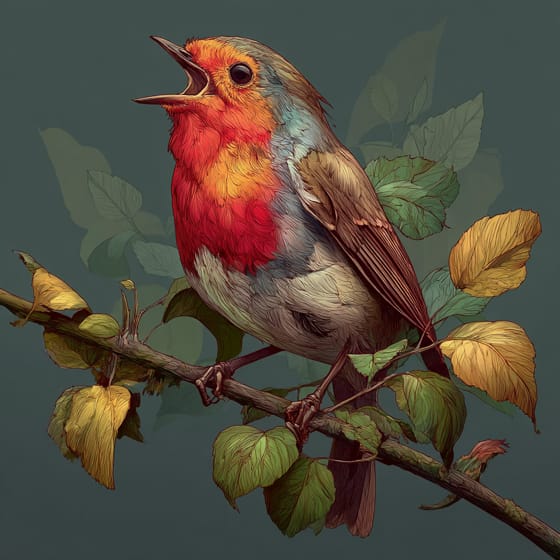
Turdus migratorius
Feasts on ripe berries in fall and winter.
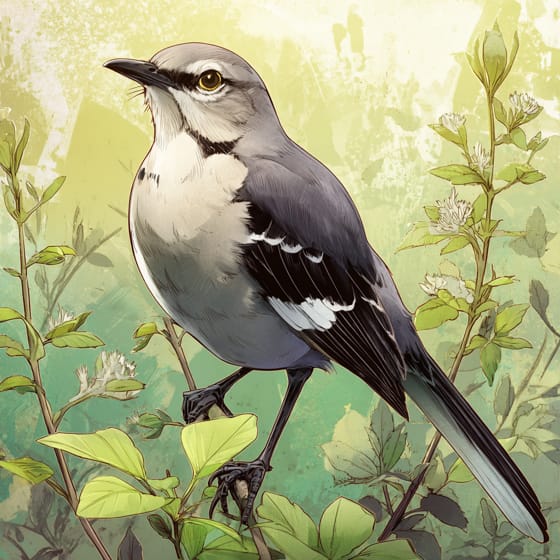
Mimus polyglottos
Enjoys the dark, juicy fruit.
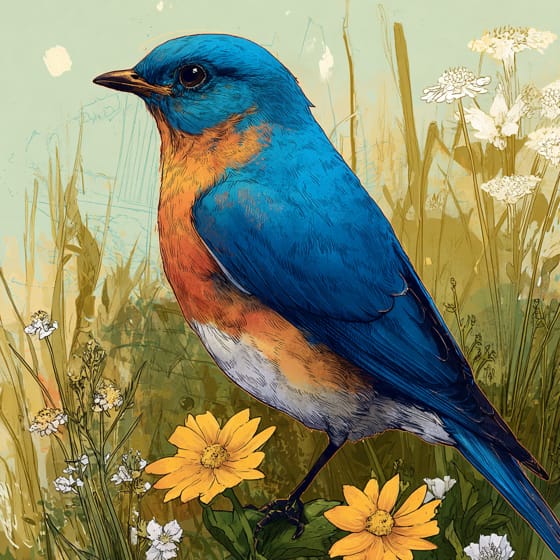
Sialia sialis
Relies on the berries for winter food.
Apis mellifera
Visits tiny flowers for nectar, though wind is primary.
Aromatic plants produce and emit fragrant volatile organic compounds, often for defense or to attract pollinators.
Flowering plants are any plants that produce flowers as part of their reproductive cycle.
A shrub is a woody plant smaller than a tree, typically with multiple stems branching from or near the ground.
Summer blooming plants produce their flowers during the summer season, often providing vibrant color when many other plants have finished.

Evergreen plants retain their foliage throughout the year, never shedding all their leaves at once.

Fragrant flowers emit a pleasant aroma, often to attract pollinators or for defense.

Describes plants that are particularly attractive and beneficial to a wide range of pollinating organisms.

This habitat trait identifies species found in wetlands, which are areas of land saturated with water, either permanently or seasonally, including marshes, swamps, and bogs.

Threatened status denotes a species likely to become endangered in the foreseeable future without effective conservation interventions.
No aliases listed yet.
Danger
1/5 · Very low
Always be careful around plants and don't touch without asking an adult.
The easiest way to identify Florida swampprivet is to use the Snappit nature identifier app.
300-450 cm
200-400 cm
0.2-0.5 cm
Late winter to early spring
No
Mild
Perennial
Zoom in to split clusters and explore where this object has been snapped.
Recent snaps will appear here as new observations are added.
Take the discovery with you
Snap it with Snappit to identify it, learn what makes it special, and add the discovery to your collection.








.jpg&width=800)


_001.jpg&width=800)



