.jpg&width=800)





Fringed Grass of Parnassus
Parnassia fimbriata
Fringed Grass of Parnassus is a beautiful flower with delicate, lacy petals. It grows in wet places and is often found near ponds and marshes, making it a lovely sight in nature.
Habitat: Wetlands
The Fringed Grass of Parnassus is a delicate wildflower featuring brilliant white, cup-shaped flowers. Each petal boasts distinctive green veins and a prominent, often yellow-tipped, fringed false stamen (staminode) at its base, making it visually unique.
Category
PlantsRarity
Common
Danger
1/5 · Very low
Snaps
3
Despite its name, this isn't a grass at all! It's a beautiful wildflower.
Its name Parnassia honors Mount Parnassus, a famous mountain in Greece.
Some small insects get a sweet reward for helping it make seeds.
The tiny fringes on its petals are called staminodes, not stamens!
Fringed Grass of Parnassus has unique fringed staminodes that mimic extra stamens, potentially luring more pollinators.
Fringed Grass of Parnassus can ripen its anthers one by one, ensuring cross-pollination by different visitors over time.
Fringed Grass of Parnassus can thrive in soggy, boggy soils thanks to special adaptations for low oxygen levels.
Bombus vancouverensis
visits flowers for nectar and pollen

Syrphus ribesii
helps carry pollen between flowers
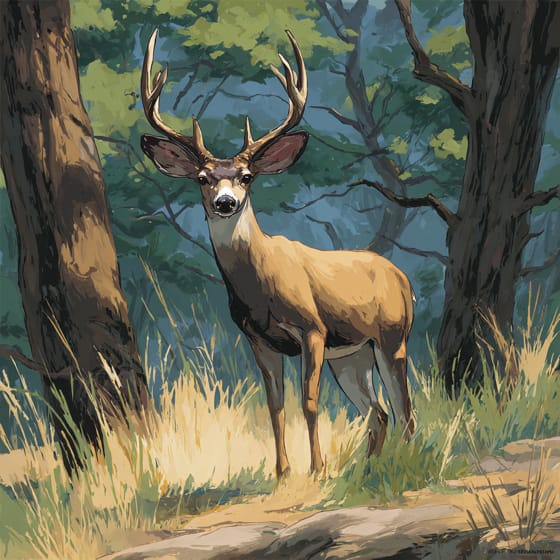
Odocoileus hemionus
deer might browse its leaves and flowers
Ornamental plants are cultivated primarily for their aesthetic appeal, enhancing landscapes and gardens with their attractive foliage, flowers, or form.
Summer blooming plants produce their flowers during the summer season, often providing vibrant color when many other plants have finished.
Describes plants that are particularly attractive and beneficial to a wide range of pollinating organisms.
This habitat trait identifies species found in wetlands, which are areas of land saturated with water, either permanently or seasonally, including marshes, swamps, and bogs.

Endangered status indicates a species is at a very high risk of extinction in the wild in the near future.
No aliases listed yet.
Danger
1/5 · Very low
Always look but don't touch flowers without asking an adult first.
The easiest way to identify Fringed Grass of Parnassus is to use the Snappit nature identifier app.
10-40 cm
5-15 cm
1.5-2.5 cm
Late summer to early fall
No
None
Perennial
Zoom in to split clusters and explore where this object has been snapped.
Take the discovery with you
Snap it with Snappit to identify it, learn what makes it special, and add the discovery to your collection.










.jpg&width=800)



_001.jpg&width=800)




