

Fuirena Ciliaris
fuirena ciliaris
Fuirena ciliaris, commonly known as the hairy umbrella-sedge, is an intriguing annual plant belonging to the sedge family (Cyperaceae). Widespread across the tropical and subtropical wetlands of Asia, Africa, and Australia, this resilient plant thrives in muddy, saturated soils, including rice paddies, seasonal swamps, and marshy grasslands. Unlike many of its smooth-stemmed relatives, this species stands out due to its distinctively fuzzy texture and geometrically striking flower clusters that resemble tiny, spiked umbrellas, offering a fascinating glimpse into wetland flora diversity.
Habitat: Found in wet, muddy environments such as marshes, seasonal swamps, waterlogged fields, and sandy edges of freshwater bodies.
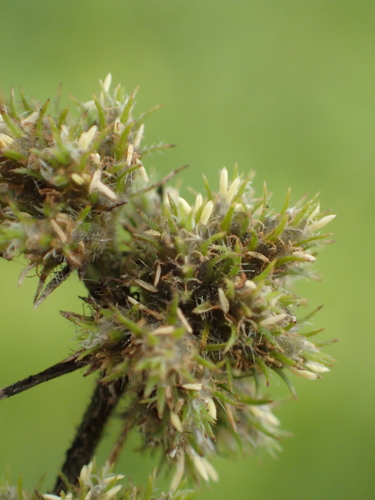
This annual sedge typically grows in small, tufted clumps reaching 10 to 50 centimeters in height. Its slender, erect stems are uniquely three-sided (triquetrous) and covered in fine, soft hairs. The grass-like leaves are flat, linear-lanceolate, and also highly pubescent, particularly along the sheaths that wrap around the stem. The most distinguishing feature is the compact, grayish-green to brownish inflorescence, composed of multiple crowded, egg-shaped spikelets that are densely covered in curly, white hairs, giving the entire cluster a fuzzy, star-burst appearance.
Category
PlantsRarity
Common
Danger
1/5 · Very low
Snaps
Be the first to snap!
Fuzzy defense: The extensive hairiness of its leaves and spikelets acts as a physical barrier against crawling pests and helps trap a layer of humid air around the plant.
Paddy invader: It is widely recognized as a minor weed in traditional wet-rice agriculture, thriving under the exact same waterlogged conditions as rice crops.
Sedges have edges: Like most members of the Cyperaceae family, the stems of this plant are sharply triangular, easily distinguished from round-stemmed grasses by touch.
Densely covered in fine hairs (trichomes) that assist in moisture retention and act as a physical barrier to deter crawling herbivorous insects.
Utilizes specialized internal air channels (aerenchyma) in its roots and stems to transport oxygen down to underwater tissues in waterlogged soils.
Produces highly buoyant, tiny seeds that disperse easily via water currents to quickly colonize freshly exposed mud flats.
Uses sunlight, water, and carbon dioxide to produce sugar through photosynthesis, absorbing vital minerals like nitrogen and phosphorus from saturated mud.

Melanitis leda
The caterpillars of this widespread butterfly species feed on the leaves of various sedges, including Fuirena ciliaris.
Spodoptera mauritia
This common agricultural pest insect feeds on the stems and leaves of sedges growing in and around wet cultivation fields.
No trait badges are assigned for this object yet.
No aliases listed yet.
Collections for this object will appear here as more themes are added.
Danger
1/5 · Very low
No special safety notes yet.
Compare seed heads, stem shape, how leaves attach, and the joint where leaf meets stem. A patch of mown lawn rarely shows enough for an exact ID. Grass Identifier: upload a photo and compare the visible details.
10-50 cm
1 years
Uses sunlight, water, and carbon dioxide to produce sugar through photosynthesis, absorbing vital minerals like nitrogen and phosphorus from saturated mud.
Found in wet, muddy environments such as marshes, seasonal swamps, waterlogged fields, and sandy edges of freshwater bodies.
Zoom in to split clusters and explore where this object has been snapped.
Recent snaps will appear here as new observations are added.
Take the discovery with you
Snap it with Snappit to identify it, learn what makes it special, and add the discovery to your collection.