





Fungus Gnats
Mycetophilidae
Fungus gnats are tiny flying insects that love to hang out around mushrooms and damp places. They are often seen flitting around in the air, especially in forests and gardens.
Habitat: Forests
The Fungus Gnat has a small, slender, dark gray to black body with long, delicate legs and distinctive segmented antennae. It looks like a tiny mosquito, but lacks the mosquito's biting proboscis and generally has a more clumsy flight.
Category
InsectsRarity
Common
Danger
1/5 · Very low
Snaps
Be the first to snap!
Adult fungus gnats only live for about a week, just long enough to lay eggs!
Finding fungus gnats often means your houseplants might be getting too much water!
Some gnat species glow in the dark, lighting up caves like tiny stars!
They have super-fast wing beats, but are still considered weak flyers.
Fungus Gnats can smell out hidden fungi and decaying matter because their larvae need it to grow and thrive.
Fungus Gnats has a strong attraction to damp soil and humid places that helps them find ideal spots for laying their eggs.
Fungus Gnats larvae can munch on tiny plant roots because they have small mouthparts that help them feed on organic matter.
Larvae eat fungi and decaying plants, while adults mainly drink liquids or don't eat much.
Age differences: Larvae consume fungi and decaying organic matter, while adults typically do not feed or consume only liquids.
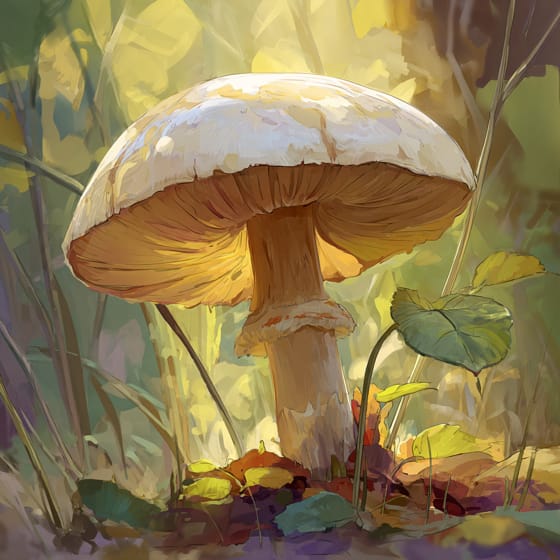
Agaricus bisporus
Fungus gnat larvae consume the mycelium of various fungi.
Orius insidiosus
These tiny bugs prey on adult gnats and their larvae.
Stratiolaelaps scimitus
These tiny mites hunt and eat gnat larvae in the soil.
Coleomegilla maculata
Larvae and adults of lady beetles can consume gnat larvae.
Social animals live in organized groups, cooperating for survival benefits such as foraging, defense, and raising offspring.
Aerial creatures spend a significant portion of their lives airborne, utilizing flight for various activities such as hunting, migration, or nesting.
This trait characterizes organisms whose diet consists entirely or primarily of plant material.
Describes organisms that break down dead organic material, recycling nutrients back into the ecosystem.

Forest habitats are terrestrial environments dominated by dense tree cover, supporting a high diversity of plant and animal life.

Pertaining to species that are significantly smaller than typical or average for their kind.

Nocturnal animals are primarily active during the nighttime hours, typically resting or sleeping during the day.

Describes organisms that transfer pollen, enabling the fertilization and reproduction of plants.
No aliases listed yet.
Danger
1/5 · Very low
Fungus gnats are harmless, but it's best not to touch them.
The easiest way to identify Fungus Gnats is to use the Snappit nature identifier app.
3-5 mm
2-3 mm
7-10 days
Larvae eat fungi and decaying plants, while adults mainly drink liquids or don't eat much.
Forests
Foraging
6
Zoom in to split clusters and explore where this object has been snapped.
Recent snaps will appear here as new observations are added.
Take the discovery with you
Snap it with Snappit to identify it, learn what makes it special, and add the discovery to your collection.








.jpg&width=800)



