





Furrowed Ants
Myrmica
Furrowed ants are small, hardworking insects that live in colonies. They are known for their unique grooves on their bodies and love to dig in the soil to make their homes.
Habitat: Grasslands
The Furrowed Ants has a reddish-brown to dark brown body with distinct, parallel grooves, or 'furrows', on its head and thorax. It possesses a two-segmented waist (petiole) and a noticeable, functional sting at its rear, making it visually distinct from smooth-bodied ant species.
Category
InsectsRarity
Common
Danger
2/5 · Low
Snaps
Be the first to snap!
Wow! Ants are found on every continent except icy Antarctica!
Wow! Furrowed Ants often adopt butterfly caterpillars, feeding them inside their nests!
Wow! Many ant species can hold their breath underwater for several hours!
Wow! Some ants have two stomachs, one for themselves and one for sharing food with the colony!
Furrowed Ants can sting attackers with venom that helps them defend their nest and subdue small prey.
Furrowed Ants can lay chemical trails that helps them guide other ants to new food sources or warn of danger.
Furrowed Ants has a natural tolerance to cooler temperatures that helps them survive in temperate climates.
These omnivores eat dead insects, sweet honeydew, and plant seeds they find while foraging.
Phengaris arion
Larvae trick ants into feeding them.
Aphis fabae
Ants protect aphids for their sugary honeydew.
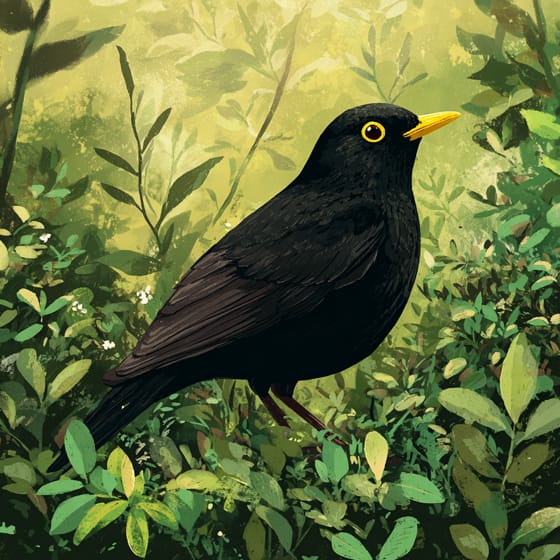
Turdus merula
Birds often forage for ants on the ground.
Furry describes animals possessing a dense covering of soft hair or fur.
Social animals live in organized groups, cooperating for survival benefits such as foraging, defense, and raising offspring.
This trait identifies organisms whose diet includes both plant and animal matter.
Burrowing animals dig tunnels and chambers in the ground, using these subterranean structures for shelter, hunting, or breeding.

Grassland habitats are terrestrial biomes dominated by grasses and herbaceous plants, supporting a variety of grazing animals.

This trait describes organisms that manipulate external objects to achieve a specific goal.

Describes organisms that break down dead organic material, recycling nutrients back into the ecosystem.

Describes a species whose presence and role have a disproportionately large effect on its environment.

Pertaining to species that are significantly smaller than typical or average for their kind.

Describes organisms that transfer pollen, enabling the fertilization and reproduction of plants.
No aliases listed yet.
Danger
2/5 · Low
Be careful not to disturb ant nests, as they can bite if they feel threatened.
The easiest way to identify Furrowed Ants is to use the Snappit nature identifier app.
4-6 mm
365-730 days
These omnivores eat dead insects, sweet honeydew, and plant seeds they find while foraging.
Grasslands
Foraging
6
2000
Zoom in to split clusters and explore where this object has been snapped.
Recent snaps will appear here as new observations are added.
Take the discovery with you
Snap it with Snappit to identify it, learn what makes it special, and add the discovery to your collection.







.jpg&width=800)



