





Günther's dik-dik
Madoqua guentheri
Günther's dik-dik is a tiny antelope that lives in Africa. They are very small and have big eyes, which help them see well in the dark. These little animals are shy and like to hide in bushes.
Habitat: Savannas
The Günther's dik-dik is a tiny antelope with a grey-brown back, a lighter belly, and a noticeably long, flexible snout. Males have short, spiky horns. Its large eyes and distinctive elongated nose make it stand out from other small antelopes.
Category
MammalsRarity
Common
Danger
1/5 · Very low
Snaps
Be the first to snap!
Dik-diks are named for the "zik-zik" sound they make when alarmed.
Dik-diks are often found in pairs, staying together for life!
Males have short, spiky horns that can grow up to 10 cm long!
They use a special tear-like fluid to mark their tiny territories.
Günther's dik-dik has a long, flexible snout that helps them reach tricky leaves and twigs, finding food other animals might miss.
Günther's dik-dik can run in a rapid zigzag pattern because of their small size and agility, confusing predators trying to catch them.
Günther's dik-dik can survive in dry areas because they get almost all the water they need from the plants they eat.
These tiny antelopes munch on leaves, shoots, fruits, and flowers, getting all their water from plants.
Panthera pardus
A major predator of dik-diks in their natural habitat.
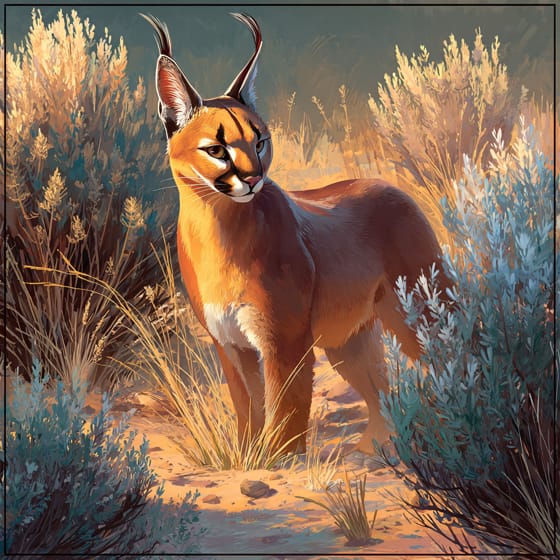
Caracal caracal
Known to hunt small antelopes like the dik-dik.
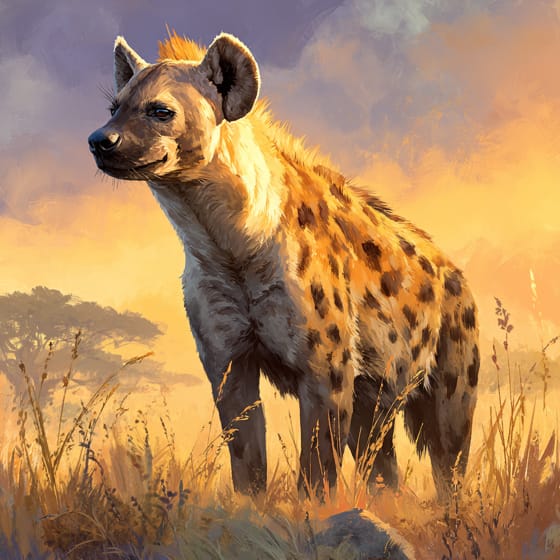
Crocuta crocuta
Opportunistic predators that will catch dik-diks.
Python sebae
Can ambush and constrict small mammals like dik-diks.
Furry describes animals possessing a dense covering of soft hair or fur.
Social animals live in organized groups, cooperating for survival benefits such as foraging, defense, and raising offspring.
Solitary animals live alone for most of their lives, only interacting with others for mating or parental care.
This trait characterizes organisms whose diet consists entirely or primarily of plant material.

This habitat trait denotes species native to savannas, which are grasslands with scattered trees, typically found in tropical or subtropical regions with distinct wet and dry seasons.

Pertaining to species that are significantly smaller than typical or average for their kind.

Nocturnal animals are primarily active during the nighttime hours, typically resting or sleeping during the day.

Endangered status indicates a species is at a very high risk of extinction in the wild in the near future.
No aliases listed yet.
Danger
1/5 · Very low
Always observe animals from a distance and do not try to touch them.
The easiest way to identify Günther's dik-dik is to use the Snappit nature identifier app.
50-67 cm
2.5-4 kg
3-4 years
42 km/h
These tiny antelopes munch on leaves, shoots, fruits, and flowers, getting all their water from plants.
Savannas
Foraging
Zoom in to split clusters and explore where this object has been snapped.
Recent snaps will appear here as new observations are added.
Take the discovery with you
Snap it with Snappit to identify it, learn what makes it special, and add the discovery to your collection.




.jpg&width=800)



.JPG&width=800)


.jpg&width=800)
