





Bank Vole
Clethrionomys glareolus
The Bank Vole is a small, furry animal that loves to live in grassy areas and forests. They are quick and enjoy nibbling on seeds and plants.
Habitat: Forests
The Bank Vole has a stocky body covered in reddish-brown fur, a creamy-white belly, and a tail that is about half its body length. Its small, rounded ears are partially hidden by its fur, giving it a distinctive appearance from a mouse.
Category
MammalsRarity
Common
Danger
1/5 · Very low
Snaps
Be the first to snap!
Bank Voles make cozy nests lined with soft moss and leaves deep underground!
Their front teeth never stop growing, so they constantly gnaw to keep them sharp!
They create secret pathways and runways through tall grass for quick travel!
Vole families sometimes share burrows, especially in winter for extra warmth!
Bank Voles can dig intricate underground tunnels that help them find food and safely escape from predators.
Bank Voles have agile paws that help them climb low branches and shrubs to reach tasty berries or buds.
Bank Voles collect and store food in hidden caches, helping them survive when food is scarce in winter.
These tiny omnivores munch on seeds, nuts, insects, fungi, and fresh plants throughout the year.

Strix aluco
A common prey item for this nocturnal bird of prey.
Mustela nivalis
Often pursued by weasels into their burrows as a food source.
Quercus robur
Consumes and hoards acorns from this tree, especially in autumn.
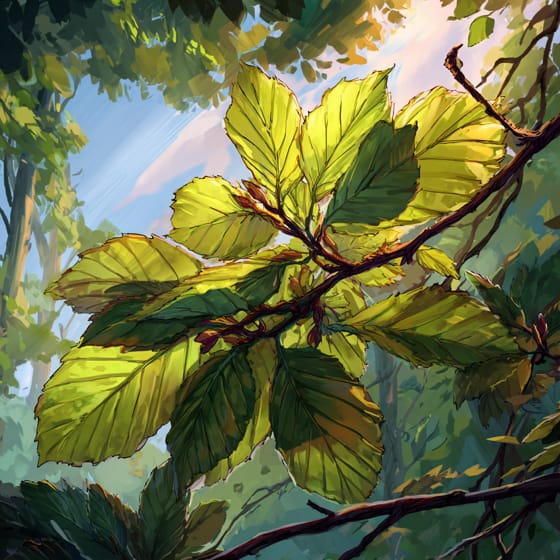
Fagus sylvatica
Forages for fallen beech nuts on the forest floor.
Furry describes animals possessing a dense covering of soft hair or fur.
Social animals live in organized groups, cooperating for survival benefits such as foraging, defense, and raising offspring.
Burrowing animals dig tunnels and chambers in the ground, using these subterranean structures for shelter, hunting, or breeding.
Grassland habitats are terrestrial biomes dominated by grasses and herbaceous plants, supporting a variety of grazing animals.

This trait characterizes organisms whose diet consists entirely or primarily of plant material.

Forest habitats are terrestrial environments dominated by dense tree cover, supporting a high diversity of plant and animal life.

This trait identifies organisms that exhibit exceptional swiftness in movement for hunting, escape, or travel.
No aliases listed yet.
Danger
1/5 · Very low
If you see a Bank Vole, watch quietly from a distance and don't try to touch it.
The easiest way to identify Bank Vole is to use the Snappit nature identifier app.
8-12 cm
0.015-0.04 kg
1-2 years
12 km/h
These tiny omnivores munch on seeds, nuts, insects, fungi, and fresh plants throughout the year.
Forests
Foraging
Zoom in to split clusters and explore where this object has been snapped.
Recent snaps will appear here as new observations are added.
Take the discovery with you
Snap it with Snappit to identify it, learn what makes it special, and add the discovery to your collection.




.jpg&width=800)


.JPG&width=800)
.jpg&width=800)
