





Southern Red-backed Vole
Clethrionomys gapperi
The Southern Red-backed Vole is a small, furry animal with a reddish-brown back and a soft, gray belly. They love to scurry around in the grass and are often found in forests and wetlands.
Habitat: Forests and wetlands
The Southern Red-backed Vole has a distinctive rusty-red stripe running down its back, contrasting with greyish-brown sides and a pale, whitish belly. It is a small rodent, with a short, bi-colored tail that is darker on top and lighter underneath, making it look stockier than a mouse.
Category
MammalsRarity
Common
Danger
1/5 · Very low
Snaps
Be the first to snap!
Southern Red-backed Voles sometimes drum their hind feet rapidly to communicate with other voles!
Their front teeth grow continuously throughout their entire lives, so they must gnaw constantly.
They are super important for spreading tree seeds and fungi spores in their forest homes!
Voles create complex tunnel systems under leaf litter, which helps them hide from hungry predators.
Southern Red-backed Voles can sniff out underground fungi like truffles, helping them find hidden food sources year-round.
Southern Red-backed Voles have thick fur and a compact body that helps them tunnel under snow, staying active in winter.
Southern Red-backed Voles have expandable cheek pouches that help them carry and store seeds for future meals.
These tiny omnivores munch on many things, from seeds and berries to insects and even mushrooms!
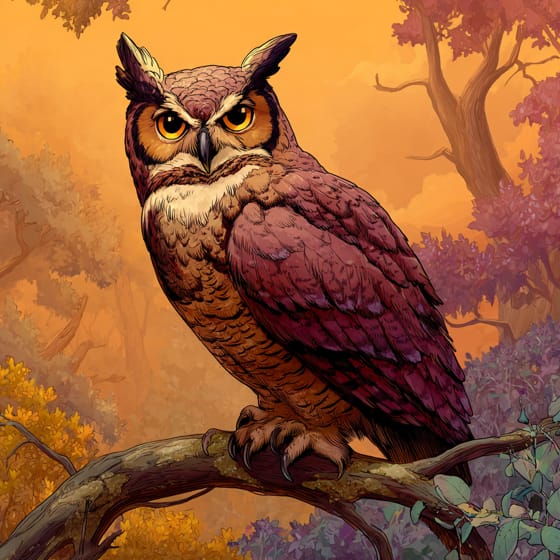
Bubo virginianus
hunts voles from above.
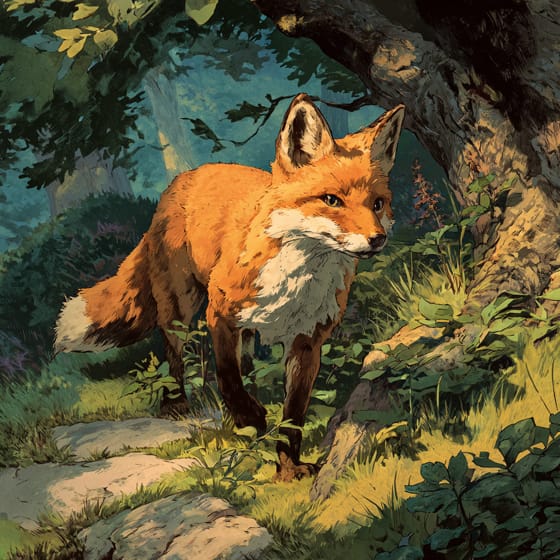
Vulpes vulpes
preys on voles in forests.
Mustela erminea
small enough to chase voles.
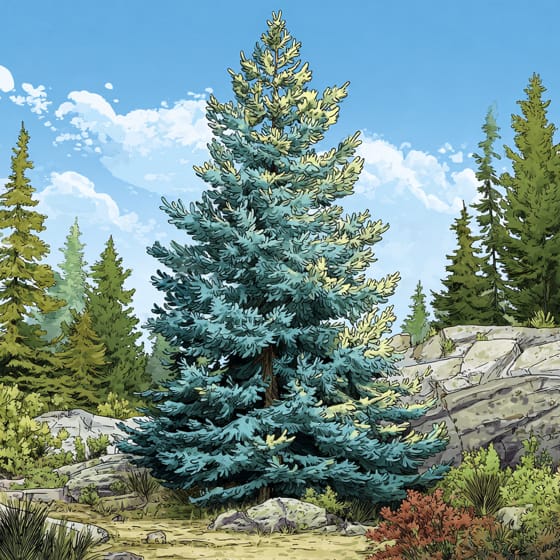
Picea glauca
voles eat its seeds.
Furry describes animals possessing a dense covering of soft hair or fur.
Social animals live in organized groups, cooperating for survival benefits such as foraging, defense, and raising offspring.
This trait identifies organisms whose diet includes both plant and animal matter.
This trait characterizes organisms whose diet consists entirely or primarily of plant material.

Forest habitats are terrestrial environments dominated by dense tree cover, supporting a high diversity of plant and animal life.

This habitat trait identifies species found in wetlands, which are areas of land saturated with water, either permanently or seasonally, including marshes, swamps, and bogs.

This trait identifies organisms that exhibit exceptional swiftness in movement for hunting, escape, or travel.
No aliases listed yet.
Danger
1/5 · Very low
If you see a vole, watch quietly from a distance and don't try to touch it.
The easiest way to identify Southern Red-backed Vole is to use the Snappit nature identifier app.
10-18 cm
0.02-0.04 kg
1-2 years
8 km/h
These tiny omnivores munch on many things, from seeds and berries to insects and even mushrooms!
Forests and wetlands
Foraging
Zoom in to split clusters and explore where this object has been snapped.
Recent snaps will appear here as new observations are added.
Take the discovery with you
Snap it with Snappit to identify it, learn what makes it special, and add the discovery to your collection.




.jpg&width=800)


.JPG&width=800)


.jpg&width=800)
