





Garden Bumble Bee
Bombus hortorum
The Garden Bumble Bee is a fuzzy little insect that loves to visit flowers. They help plants grow by spreading pollen, making them very important for our gardens!
Habitat: Gardens
The Garden Bumble Bee has a distinctive long face and a black body with two clear yellow bands, one on its thorax and another at the front of its abdomen. Its tail is a noticeable fluffy white, making it stand out from similar bees.
Category
InsectsRarity
Common
Danger
1/5 · Very low
Snaps
Be the first to snap!
Queens live alone all winter, then start new colonies in spring!
Their wings beat incredibly fast, making their famous buzzing sound!
They navigate using the sun and landmarks, like tiny living maps!
They often nest underground, even using old mouse holes for their home!
Garden Bumble Bee can vibrate its flight muscles to release pollen from flowers, making it easier to collect.
Garden Bumble Bee can shiver its muscles to warm up, allowing it to fly and forage even in cool weather.
Garden Bumble Bee has special 'baskets' on its legs to carry lots of pollen back to its nest.
Nectar gives them energy to fly, and pollen helps them grow big and strong!
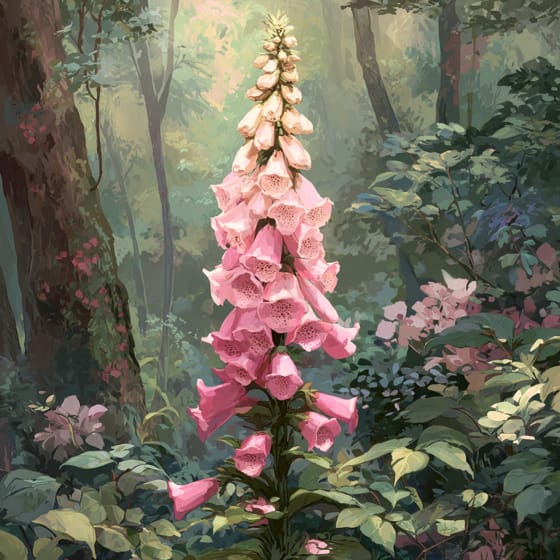
Digitalis purpurea
Collects nectar from its deep, tubular flowers.

Trifolium repens
Gathers pollen and nectar from these common lawn flowers.
Pica pica
Occasionally preyed upon by hungry birds while foraging.

Sorex araneus
Nests underground can be raided by shrews for larvae.
Furry describes animals possessing a dense covering of soft hair or fur.
Social animals live in organized groups, cooperating for survival benefits such as foraging, defense, and raising offspring.
This trait characterizes organisms whose diet consists entirely or primarily of plant material.
Describes plants that are particularly attractive and beneficial to a wide range of pollinating organisms.

Diurnal animals are primarily active during daylight hours, typically resting or sleeping at night.

Describes a species whose presence and role have a disproportionately large effect on its environment.

This habitat trait indicates species that can coexist with humans in urban and suburban environments, utilizing man-made structures and green spaces.

Describes organisms that transfer pollen, enabling the fertilization and reproduction of plants.
Danger
1/5 · Very low
Bumble bees are usually friendly, but it's best to watch them from a distance.
The easiest way to identify Garden Bumble Bee is to use the Snappit nature identifier app.
25-35 mm
11-18 mm
20-40 days
18 km/h
Nectar gives them energy to fly, and pollen helps them grow big and strong!
Gardens
Foraging
Zoom in to split clusters and explore where this object has been snapped.
Recent snaps will appear here as new observations are added.
Take the discovery with you
Snap it with Snappit to identify it, learn what makes it special, and add the discovery to your collection.






.jpg&width=800)



