





American Robin
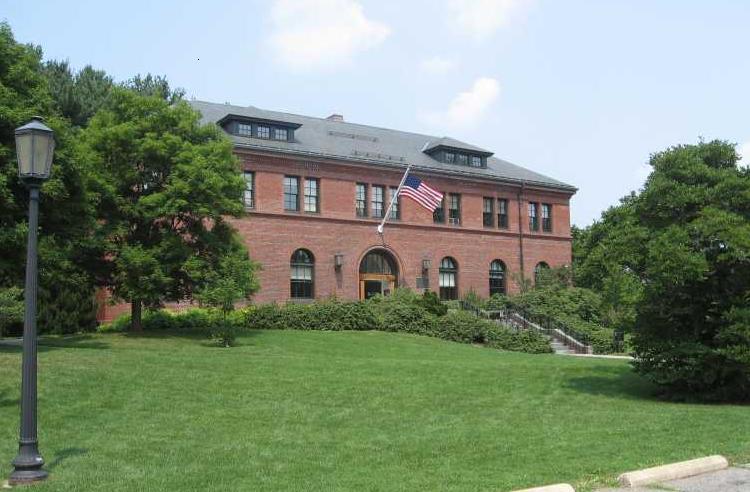
The Arnold Arboretum of Harvard University, a verdant jewel nestled within Boston's historic Emerald Necklace, offers a captivating escape into the world of trees and plants.
The Arnold Arboretum of Harvard University, a verdant jewel nestled within Boston's historic Emerald Necklace, offers a captivating escape into the world of trees and plants. As the oldest public arboretum in North America, established in 1872, it serves as both a premier scientific research institution and a cherished public park, freely accessible to all. Its 281 acres are a living museum, meticulously stewarding one of the most comprehensive and well-documented collections of temperate woody plants globally, with a particular focus on species from Eastern North America and Eastern Asia.
Wander through diverse habitats and discover an extraordinary array of plant life, from towering conifers to delicate flowering shrubs. Highlights include extensive collections of magnolias, maples, and the vibrant Rhododendron Dell, while the annual Lilac Sunday celebrates the arboretum's impressive lilac collection. Beyond the botanical wonders, the Arboretum buzzes with local wildlife. Keep an eye out for familiar favorites such as the Eastern Gray Squirrel and Eastern Chipmunk scurrying amongst the trees, or spot a variety of birds like the American Robin, Blue Jay, and Mourning Dove. Overhead, a majestic Red-tailed Hawk might circle, while the elusive White-tailed Deer can sometimes be glimpsed. Pollinators like the Common Eastern Bumble Bee and Western Honey Bee are also vital inhabitants, flitting among the blossoms.
The Arnold Arboretum is more than just a beautiful landscape; it's a dynamic center for conservation, research, and education, enriching our understanding of biodiversity. Its enduring commitment to Frederick Law Olmsted's vision of accessible green space makes it an unforgettable destination. Whether you seek the tranquility of nature, the beauty of seasonal blooms and fall foliage, or a deeper connection with the plant and animal kingdoms, this free and open sanctuary promises a memorable experience for every visitor. Planning to visit? Download the Snappit app to identify the wildlife you spot in real-time.
The Arnold Arboretum was founded in 1872, stemming from a unique collaboration between Harvard University and the City of Boston. It was established through significant land and financial gifts: a bequest from James Arnold provided $100,000 to advance horticulture, while Benjamin Bussey's estate furnished the land. Harvard appointed Charles Sprague Sargent as its first director, who, alongside pioneering landscape architect Frederick Law Olmsted, designed the grounds and established it as a leading scientific institution. A crucial 1,000-year lease agreement, signed in 1882 between Harvard and the City of Boston, cemented the Arboretum's future. This arrangement ensured the Arboretum would remain a public park, free and open to all, with Harvard managing the plant collections and the city maintaining the infrastructure. Throughout its history, the Arboretum has been a hub for plant exploration, particularly in East Asia, introducing numerous species to North America and contributing significantly to botanical research and conservation.
Enjoy leisurely strolls, self-guided tours using the Arboretum's Expeditions mobile app, or join a docent-led tour (available mid-April through November). Observe local wildlife such as Eastern Gray Squirrels, Blue Jays, or even a Red-tailed Hawk. Photography is encouraged. Educational programs and seasonal activities are also offered.
Spring: Peak blooming season with lilacs, magnolias, mock orange, and viburnum. Increased bird activity as migratory species return.
Summer: Lush green canopy, ripening fruits and nuts, and a busy period for insects like the Common Eastern Bumble Bee.
Fall: Breathtaking autumn colors across the landscape, especially maples, and a season for fascinating fall fruits.
Winter: Trees and shrubs stand in stark contrast against snow, offering a unique perspective on their forms and bark. It's a peaceful time to visit.
Wildlife: Animal activity varies by season, with increased sightings in warmer months. Remember to be aware of ticks, especially when walking off paved paths.
The Arboretum is committed to accessibility. Manual wheelchairs are available free of charge at the Hunnewell Visitor Center. Wheelchair-accessible restrooms are located in the Hunnewell Building and at various points via portable units. Accessible parking spaces are provided at several gates, and driving permits for visitors with accessibility needs can be reserved online for Monday through Friday visits. Many main paths are paved and suitable for strollers and wheelchairs.
A renowned collection that bursts into fragrant bloom in spring.
Features a variety of rhododendrons, particularly striking when in bloom.
Showcases diverse cone-bearing plants from around the world.
Offers scenic views and varied plant collections, and is a great spot to observe diverse habitats.
Each card links to a full Explore page with photos, traits, and fun facts.













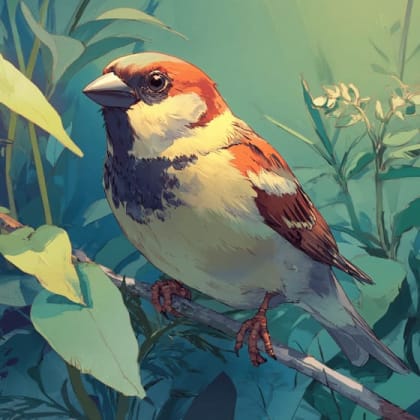




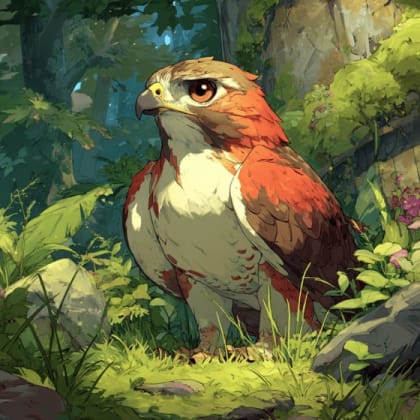










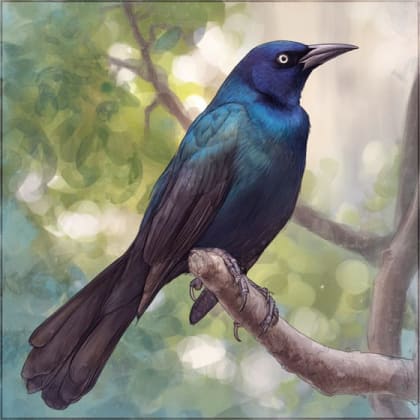










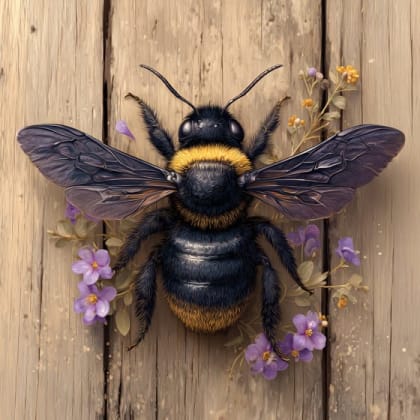





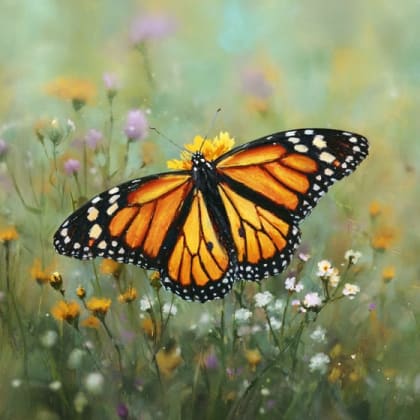
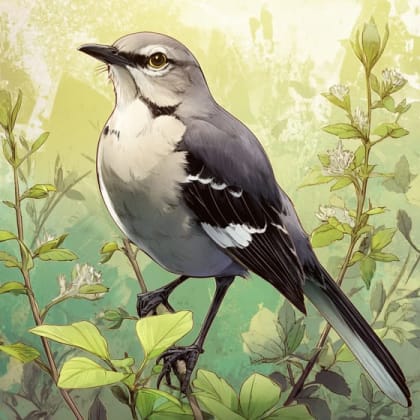



Start with the big picture, then zoom in to explore individual wildlife observations around this place.
Stay on designated paths
Help preserve the plant collections and natural habitats by staying on trails and avoiding walking in plant beds or mulched areas.
Leash your dog
If visiting with a canine companion, ensure they remain leashed throughout your visit.
Do not collect plant material
Please refrain from picking, collecting, or climbing on plants to maintain the Arboretum's beauty and scientific integrity. You may collect fallen plant material from the ground.
Parking options
Free parking is available along the Arborway, Flora Way, and Walter Street. Public transportation via the Forest Hills T stop is also a convenient option.
Prepare for the outdoors
Wear comfortable, closed-toe shoes suitable for walking, and bring water. During warmer months, consider insect repellent, particularly for ticks.
Utilize visitor resources
Stop by the Hunnewell Visitor Center for maps, information on seasonal highlights, and staff assistance.
Jun 20, 2026
Photo attribution
(c) feralbeetle, some rights reserved (CC BY)
License: CC BY 4.0 ↗
Image may be shown cropped inside the card frame.
Jun 18, 2026
Photo attribution
(c) Teá Montagna, some rights reserved (CC BY)
License: CC BY 4.0 ↗
Image may be shown cropped inside the card frame.
Jun 18, 2026
Photo attribution
(c) Teá Montagna, some rights reserved (CC BY)
License: CC BY 4.0 ↗
Image may be shown cropped inside the card frame.
Jun 19, 2026
Jun 19, 2026

Maryland, US
You might spot White-Tailed Deer and Eastern Gray Squirrel.
View guide →
.jpg)
District of Columbia, US
You might spot Eastern Gray Squirrel, Duck, and House Sparrow.
View guide →

Illinois, US
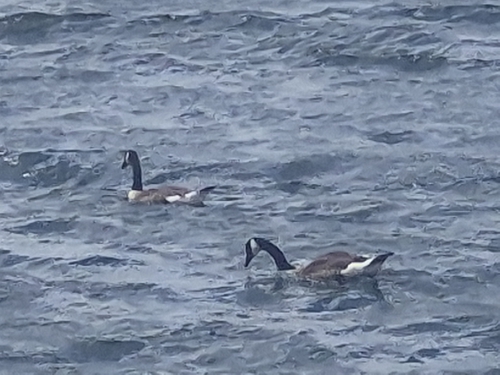
You might spot American Robin, Canada Goose, and House Sparrow.
View guide →

Virginia, US
You might spot Spotted Lanternfly and Northern Cardinal.
View guide →
Take the discovery with you
Identify the wildlife you spot, learn as you go, and keep a collection of the adventure.
.JPG&width=800)
.jpg&width=800)