





Giant Bellflower
Campanula latifolia
The Giant Bellflower is a tall, beautiful flower that can grow up to 4 feet high! It has lovely blue or purple bell-shaped blooms that attract bees and butterflies.
Habitat: Grasslands
The Giant Bellflower is a striking plant reaching up to 1.2 meters, featuring large, deep blue-purple, bell-shaped flowers that droop elegantly from its tall, sturdy stems. Its broad, serrated leaves offer a rich green backdrop to the vibrant blooms, making it stand out.
Category
PlantsRarity
Common
Danger
1/5 · Very low
Snaps
Be the first to snap!
Ancient people sometimes cooked and ate the young leaves and roots of this plant!
Its Latin name, Campanula latifolia, means 'little bell with wide leaves,' describing it perfectly!
The bell-shape of its flowers protects the delicate pollen inside from heavy rain.
These tall flowers can grow taller than many kids, reaching up to 5 feet high!
Giant Bellflower can produce abundant sugary nectar that attracts buzzing insects, ensuring its pollen is carried far and wide.
Giant Bellflower has tall, strong stems that allow it to grow above smaller plants to catch more sunlight in shaded woodlands.
Giant Bellflower can drop hundreds of tiny seeds that easily root, helping new plants grow and spread its family rapidly.
Bombus terrestris
gathers pollen and nectar from flowers
Apis mellifera
pollinates flowers, gathering sweet nectar

Helix aspersa
feeds on leaves, creating holes
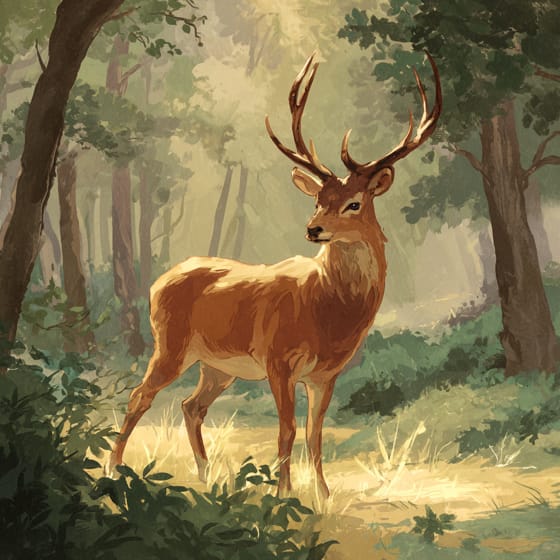
Cervus elaphus
grazes on leaves, stems, and young shoots
Puccinia campanulae
grows on leaves and stems, weakening plant
Bell-shaped flowers possess petals fused or arranged to form a cup-like or campanulate structure resembling a bell.
Flowering plants are any plants that produce flowers as part of their reproductive cycle.
Summer blooming plants produce their flowers during the summer season, often providing vibrant color when many other plants have finished.
Fragrant flowers emit a pleasant aroma, often to attract pollinators or for defense.

Colorful describes organisms or objects displaying a wide range of bright and distinct colors.

Grassland habitats are terrestrial biomes dominated by grasses and herbaceous plants, supporting a variety of grazing animals.

Describes plants that are particularly attractive and beneficial to a wide range of pollinating organisms.

Rapid growing plants exhibit accelerated growth rates, quickly increasing in size and biomass within a short period.
No aliases listed yet.
Danger
1/5 · Very low
Always look but don't touch flowers without asking an adult.
The easiest way to identify Giant Bellflower is to use the Snappit nature identifier app.
60-120 cm
30-60 cm
3-6 cm
Late spring to mid-summer
Yes
None
Perennial
Zoom in to split clusters and explore where this object has been snapped.
Recent snaps will appear here as new observations are added.
Take the discovery with you
Snap it with Snappit to identify it, learn what makes it special, and add the discovery to your collection.








.jpg&width=800)


_001.jpg&width=800)




