Giant House Spider
eratigena duellica
The Giant House Spider is a fascinating creature that can be found in many homes! With its long legs and quick movements, it helps to keep other pests at bay.
Habitat: Giant House Spiders commonly live indoors, especially in dark corners, basements, and attics.
The Giant House Spider has a robust, dark brown body with lighter markings on its abdomen and a distinct 'H' shape on its cephalothorax. Its long, hairy legs are banded brown and black, making it appear much larger than its body.
Category
InvertebrateRarity
Common
Danger
1/5 · Very low
Snaps
Be the first to snap!
A female can lay hundreds of eggs in a silken sac!
Some Giant House Spiders can live up to 3 years!
These spiders are shy and prefer to run away from people.
They are one of the fastest spiders in the world!
Giant House Spider can run incredibly fast because of long, powerful legs that help them ambush prey and escape danger.
Giant House Spider can spin a messy, funnel-shaped web that helps them create a sticky trap for unsuspecting insects.
Giant House Spider has multiple eyes that help them detect movement in dim light, making them efficient nocturnal hunters.
These spiders are expert hunters, feasting on all sorts of small insects and other invertebrates!
Musca domestica
A primary food source caught in their webs.
Tegenaria domestica
Competes for territory and can be prey.
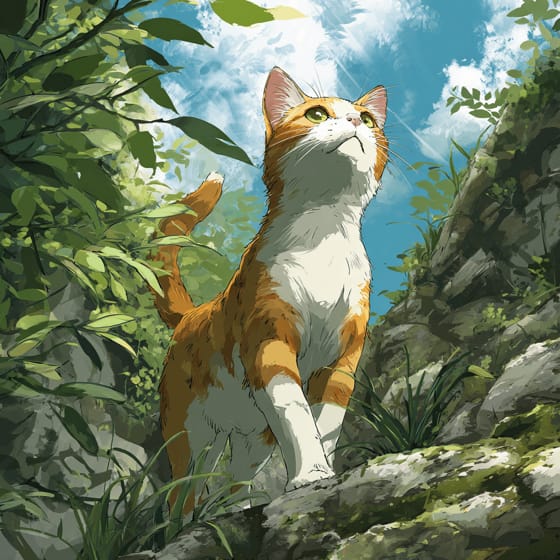
Felis catus
Sometimes hunted by curious house cats.
%2C_Parc_de_Woluw%C3%A9%2C_Brussels_(13042792905).jpg&width=800)
Parus major
Sometimes eaten by birds if found outdoors.
Marked with spots or patches of a different color.
Solitary animals live alone for most of their lives, only interacting with others for mating or parental care.
Burrowing animals dig tunnels and chambers in the ground, using these subterranean structures for shelter, hunting, or breeding.
This trait identifies organisms whose diet consists entirely or primarily of animal tissue.

Nocturnal animals are primarily active during the nighttime hours, typically resting or sleeping during the day.
Danger
1/5 · Very low
Always observe spiders from a distance and do not touch them.
The easiest way to identify Giant House Spider is to use the Snappit nature identifier app.
1.8 cm
7.5 cm
3 years
0.53 m/s
These spiders are expert hunters, feasting on all sorts of small insects and other invertebrates!
Giant House Spiders commonly live indoors, especially in dark corners, basements, and attics.
Ambush
Zoom in to split clusters and explore where this object has been snapped.
Recent snaps will appear here as new observations are added.

Washington, US
You might spot Snowy Owl, Bee, and American Crow.
View guide →

Washington, US
You might spot Purple Foxglove, Tansy, and Broad-Leaved Sweet Pea.
View guide →

Washington, US
You might spot Cross Orbweaver, Western Redcedar, and Fringed Willowherb.
View guide →
Take the discovery with you
Snap it with Snappit to identify it, learn what makes it special, and add the discovery to your collection.