%2C_Parc_de_Woluw%C3%A9%2C_Brussels_(13042792905).jpg&width=800)





Great Tit
Parus major
The Great Tit is a colorful bird with a bright yellow belly and a black cap on its head. It loves to sing cheerful songs and can often be seen hopping around trees and gardens looking for food.
Habitat: Forests and gardens
The Great Tit has a distinctive bright yellow belly with a prominent black stripe running down its middle. It features a glossy black head, striking white cheek patches, and a green back, making it easily identifiable from similar birds.
Category
BirdsRarity
Common
Danger
1/5 · Very low
Snaps
2
A Great Tit can lay over 10 eggs in a single clutch! That's a lot of siblings!
In winter, they can lose up to 10% of their body weight overnight to stay warm!
These clever birds have shown they can learn from each other by watching.
They sometimes use animal hair, moss, and spider silk to build their cozy nests!
Great Tits can solve puzzles and use simple tools to access hidden food because of their intelligent brains.
Great Tits have over 40 different calls that help them communicate danger, find mates, and defend territory.
Great Tits can vigorously defend their nesting territory from intruders, sometimes even fighting off larger birds.
Great Tits love to eat insects, spiders, seeds, and sometimes even berries or nuts.
Age differences: Young birds are fed almost exclusively insects/larvae for protein; adults have a more varied diet.

Accipiter nisus
A common avian predator of adult Great Tits.
Martes martes
A mammal predator that can raid nests or catch adults.
Pararge aegeria
Their caterpillars are a key protein source for nestlings.
Quercus robur
Provides abundant insects and sheltered nesting locations.
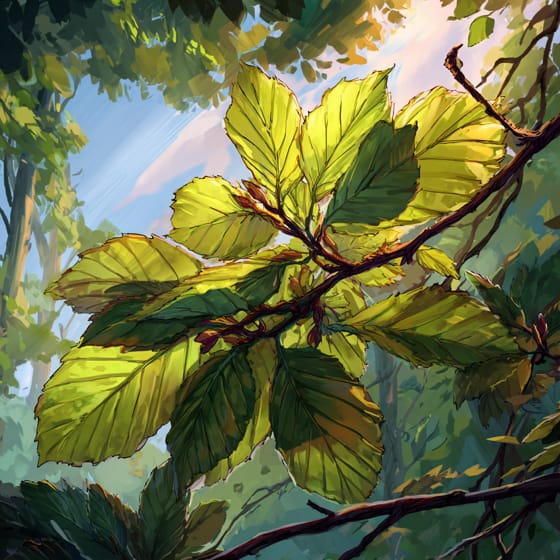
Fagus sylvatica
Its seeds (beech nuts) are an important winter food source.
Feathered describes animals, primarily birds, possessing a covering of feathers.
Social animals live in organized groups, cooperating for survival benefits such as foraging, defense, and raising offspring.
Singing animals produce complex vocalizations, often for purposes of attracting mates, defending territory, or communicating within their species.
Colorful describes organisms or objects displaying a wide range of bright and distinct colors.

This trait identifies organisms whose diet primarily consists of insects and other small invertebrates.

This trait describes organisms that manipulate external objects to achieve a specific goal.

Forest habitats are terrestrial environments dominated by dense tree cover, supporting a high diversity of plant and animal life.

Diurnal animals are primarily active during daylight hours, typically resting or sleeping at night.

This habitat trait indicates species that can coexist with humans in urban and suburban environments, utilizing man-made structures and green spaces.
Danger
1/5 · Very low
Enjoy watching birds from a distance, and don't try to touch or catch them.
The easiest way to identify Great Tit is to use the Snappit nature identifier app.
12.5-14 cm
21-26 cm
0.016-0.022 kg
2-10 years
39 km/h
Great Tits love to eat insects, spiders, seeds, and sometimes even berries or nuts.
Forests and gardens
Zoom in to split clusters and explore where this object has been snapped.
Take the discovery with you
Snap it with Snappit to identify it, learn what makes it special, and add the discovery to your collection.




.jpg)

.jpg&width=800)







