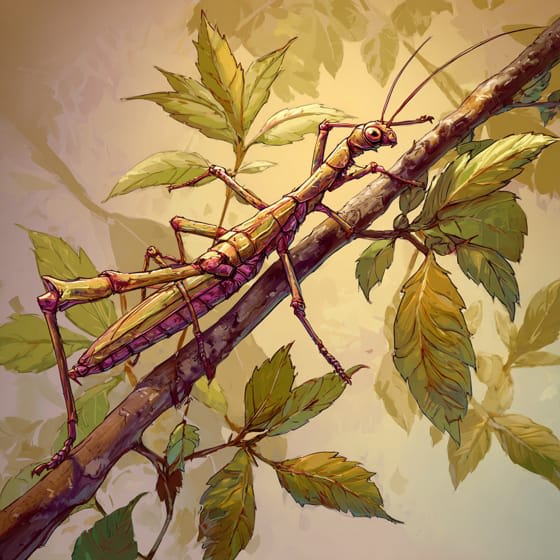





Giant Stick Insect
Phasmatodea
The Giant Stick Insect is a master of disguise, looking just like a stick! They love to munch on leaves high up in the trees.
Habitat: Tropical forests
The Giant Stick Insect is incredibly long and slender, often resembling twigs, branches, or even leaves. Its body is typically green, brown, or mottled grey, allowing it to blend seamlessly into its arboreal habitat. Their intricate camouflage makes them nearly invisible to predators.
Category
InsectsRarity
Common
Danger
2/5 · Low
Snaps
Be the first to snap!
Many giant stick insects are nocturnal, spending their days frozen perfectly still.
Some species are the world's longest insects, growing over 60 centimeters!
Their eggs often look exactly like tiny plant seeds, even having a fake 'seed cap'!
They can sway their bodies back and forth, mimicking leaves rustling in the wind.
Giant Stick Insects can perfectly mimic plant parts like sticks or leaves, helping them hide from hungry predators.
Giant Stick Insects can shed a leg if caught, then regrow it over several molts to escape danger.
Some Giant Stick Insect species can reproduce without a mate, laying eggs that hatch into clones.
Giant Stick Insects are plant-eaters, munching on leaves and foliage to grow big.
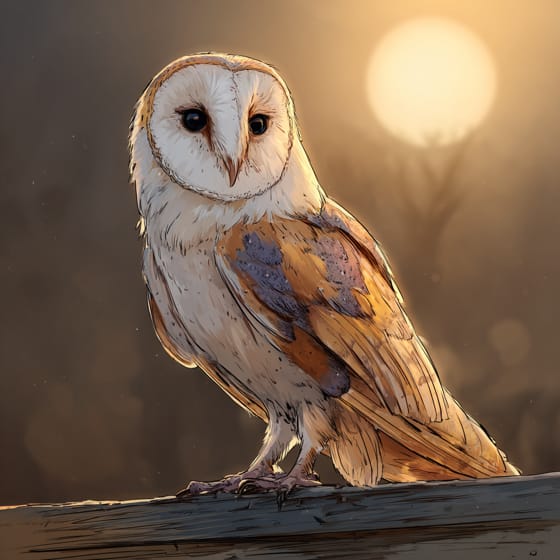
Tyto alba
Nocturnal hunter finds them at night.
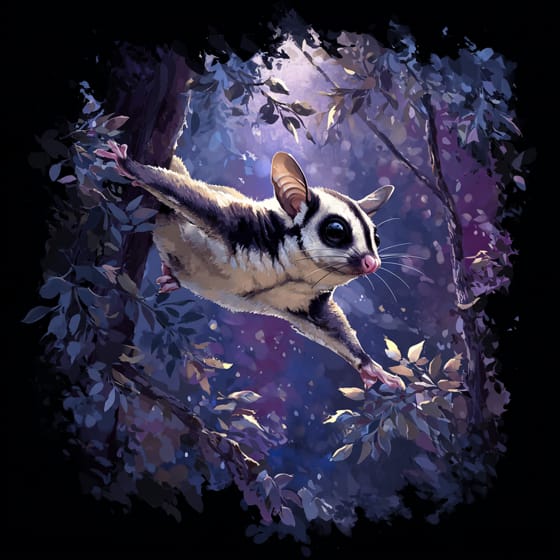
Petaurus breviceps
Tree-dwelling marsupial preys on them.
Eucalyptus globulus
Feeds on leaves in their natural habitat.
Rubus fruticosus
Consumes the leaves of these thorny bushes.
Wildlife encompasses all undomesticated animal and plant life existing in their natural habitats.
Solitary animals live alone for most of their lives, only interacting with others for mating or parental care.
Arboreal animals live primarily in trees, utilizing them for shelter, food, and protection from predators.
Camouflaged describes organisms that possess coloring or patterns that allow them to blend into their environment.

This trait characterizes organisms whose diet consists entirely or primarily of plant material.

This trait signifies organisms belonging to a very old evolutionary group with ancestors dating back millions of years.
This habitat trait refers to species found in tropical rainforests, characterized by high annual rainfall, high biodiversity, and dense tree cover.

Giant describes organisms or objects of significantly larger size than average for their species or type.
Danger
2/5 · Low
Do not touch or pick up. Some insects sting or bite. Ask an adult for help.
The easiest way to identify Giant Stick Insect is to use the Snappit nature identifier app.
200-600 mm
180-365 days
Giant Stick Insects are plant-eaters, munching on leaves and foliage to grow big.
Tropical forests
Foraging
6
Zoom in to split clusters and explore where this object has been snapped.
Recent snaps will appear here as new observations are added.
Take the discovery with you
Snap it with Snappit to identify it, learn what makes it special, and add the discovery to your collection.








.jpg&width=800)




