





Glassy-winged Sharpshooter
Homalodisca vitripennis
The Glassy-winged Sharpshooter is a colorful insect with big wings that look like glass! They are known for their jumping skills and love to sip on plant juices.
Habitat: Urban areas
The Glassy-winged Sharpshooter is a dark brown to black insect, approximately half an inch long, with distinctive light yellow spots on its head and thorax. Its most striking feature is its transparent, 'glassy' wings, which are slightly tinted with red veins, giving it a unique, see-through appearance.
Category
InsectsRarity
Common
Danger
1/5 · Very low
Snaps
8
Glassy wings look see-through, helping it blend into leaves.
It carries invisible germs that can make grapevines very sick!
It drinks hundreds of times its body weight in plant juice every day!
This tiny bug can shoot water out its rear like a miniature cannon!
Glassy-winged Sharpshooter can drink huge amounts of plant sap because of its powerful piercing-sucking mouthparts that helps them access plant xylem.
Glassy-winged Sharpshooter can shoot tiny jets of water from its rear end because of its efficient digestive system that helps them get rid of excess sap.
Glassy-winged Sharpshooter has a special ability to carry harmful bacteria that helps them spread serious diseases between many different plants.
This insect drinks nutrient-poor sap from plant stems and leaves all day long.
Xylella fastidiosa
Carries and protects bacteria that cause plant diseases.
Vitis vinifera
Feeds on sap, often spreading deadly Pierce's Disease.
Citrus sinensis
Feeds on sap, potentially transmitting citrus variegation.
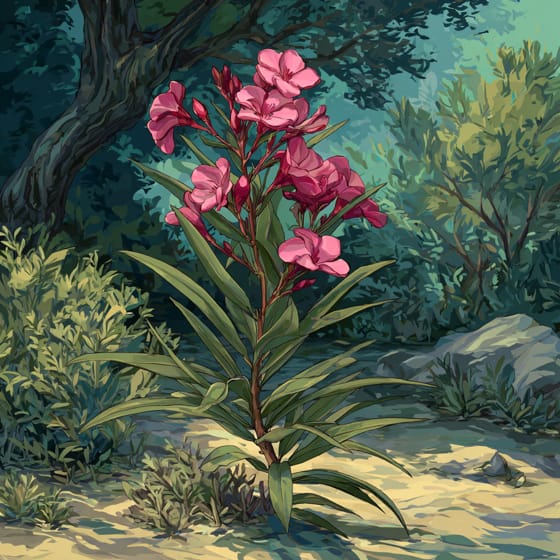
Nerium oleander
Feeds on sap, common host in gardens and landscapes.
Gonatopus ashmeadi
Larval wasps develop inside and consume sharpshooter nymphs.
Colorful describes organisms or objects displaying a wide range of bright and distinct colors.
This trait characterizes organisms whose diet consists entirely or primarily of plant material.
Describes plants that are particularly attractive and beneficial to a wide range of pollinating organisms.
Diurnal animals are primarily active during daylight hours, typically resting or sleeping at night.

This trait identifies organisms that exhibit exceptional swiftness in movement for hunting, escape, or travel.

This habitat trait indicates species that can coexist with humans in urban and suburban environments, utilizing man-made structures and green spaces.

Describes organisms that transfer pollen, enabling the fertilization and reproduction of plants.
No aliases listed yet.
Danger
1/5 · Very low
These insects are not dangerous, but it's best to watch them from a distance.
The easiest way to identify Glassy-winged Sharpshooter is to use the Snappit nature identifier app.
24-28 mm
12-14 mm
60-90 days
This insect drinks nutrient-poor sap from plant stems and leaves all day long.
Urban areas
Foraging
6
Zoom in to split clusters and explore where this object has been snapped.

Alabama, US
You might spot Muscovy Duck and Gulf Longear Sunfish.
View guide →

Alabama, US
You might spot Northern Mockingbird and Northern Cardinal.
View guide →

Texas, US
You might spot Queen, Texas Spiny Lizard, and Antelopehorn Milkweed.
View guide →
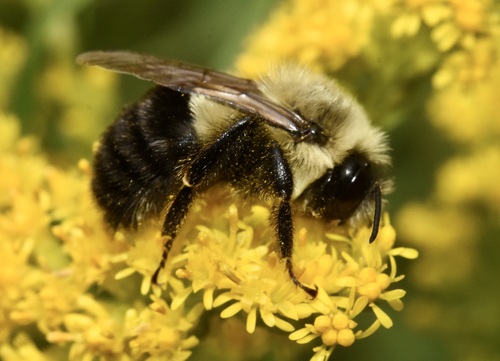
Georgia, US
You might spot Common Eastern Bumble Bee and Bee.
View guide →

Alabama, US
You might spot Glassy-Winged Sharpshooter, Anole, and Common Whitetail.
View guide →
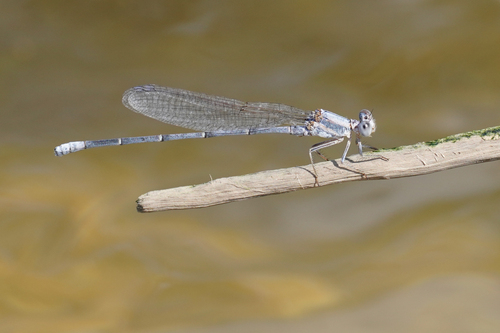
Texas, US
You might spot Powdered Dancer and Glassy-Winged Sharpshooter.
View guide →
Take the discovery with you
Snap it with Snappit to identify it, learn what makes it special, and add the discovery to your collection.







.jpg&width=800)



