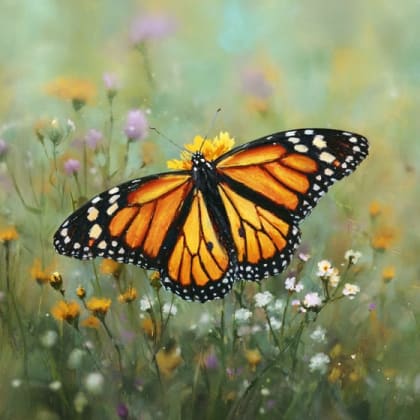





Monarch Butterfly

The Lady Bird Johnson Wildflower Center is Texas' official botanical garden and arboretum, a beacon for native plant conservation.
The Lady Bird Johnson Wildflower Center is Texas' official botanical garden and arboretum, a beacon for native plant conservation.
This nationally recognized center, administered by the University of Texas at Austin, is dedicated to inspiring the conservation of native plants through its sustainable gardens, research, education, and outreach programs. Spanning 284 acres, it showcases nearly 900 species of native Texas flora, highlighting the beauty and ecological importance of indigenous plants. The Center's commitment to environmental stewardship is evident in its innovative landscape designs and its role in promoting biodiversity.
Visitors can explore a diverse array of landscapes, from the vibrant Central Gardens featuring themed displays like the Pollinator Habitat Garden, to the expansive Mollie Steves Zachry Texas Arboretum, home to a unique collection of Texas oaks. The Luci and Ian Family Garden offers interactive experiences for children, including a wading creek and a native shrub maze. Miles of well-maintained trails, such as the Savanna Meadow Trail, wind through prairies and woodlands, inviting discovery of various ecosystems and the wildlife they support.
More than just a display of plants, the Wildflower Center is a living testament to Lady Bird Johnson's vision of harmony between the natural and man-made worlds. It serves as a vital resource for sustainable landscaping, providing habitat for numerous species of birds and insects, and offering year-round beauty. Whether seeking educational insight, photographic opportunities, or simply a peaceful immersion in nature, the Center provides a memorable experience that connects visitors with the richness of Texas' native plant heritage. Wondering what that bird or insect is? Find out on your visit using the Snappit nature app.
The Lady Bird Johnson Wildflower Center was founded in 1982 by former First Lady Lady Bird Johnson and award-winning actress Helen Hayes. Initially named the National Wildflower Research Center, its mission was to preserve and restore North America's native plants and their biological richness, driven by concerns over the disappearance of native flora and the spread of non-native species. The Center originally occupied a 60-acre site in East Austin, which it quickly outgrew due to public demand. In 1995, it relocated to its current 284-acre site in South Austin, which allowed for significant expansion. It was officially renamed the Lady Bird Johnson Wildflower Center in 1997 to honor its visionary founder. In 2006, the Center became affiliated with The University of Texas at Austin, strengthening its research and educational capabilities, and in 2017, it was designated the State Botanic Garden and Arboretum of Texas.
Walk through sweeping meadows and lush gardens, explore winding nature trails, climb the Observation Tower, engage with the interactive elements in the Family Garden, and look for local wildlife such as butterflies, hummingbirds, and various bird species. Educational displays and art exhibits are also frequently available.
Spring (March-May): The most popular time due to the spectacular bloom of bluebonnets, Indian paintbrushes, and firewheels.
Summer: Features flowering salvias and datura. The center also hosts summer film series and fitness programs.
Fall (September-November): Offers cooler weather, rich purple and gold flower displays, billowing grasses, and the vibrant colors of bigtooth maples.
Winter: Though quieter, visitors can still enjoy green-leaved live oaks and red-berried possumhaws. The popular "Luminations" holiday light show transforms the gardens.
The Central Complex, Central Gardens, Luci and Ian Family Garden, Arboretum Trail, and Roadrunner Trail are all wheelchair accessible. Accessible parking spaces are available, and wheelchairs can be borrowed free of charge from the Admissions Kiosk.
Features diverse native plant displays, including a Pollinator Habitat Garden.
A 16-acre area showcasing over 50 species of Texas native oaks and other trees, including the impressive Cathedral of Oaks.
An interactive 4.5-acre space designed for children to explore nature with features like Dinosaur Creek, a native shrub maze, a Stumpery for climbing, and a grotto.
Offers panoramic views of the entire Wildflower Center and the surrounding Hill Country, also functioning as a large rainwater cistern.
Each card links to a full Explore page with photos, traits, and fun facts.
Start with the big picture, then zoom in to explore individual wildlife observations around this place.
Wear comfortable walking shoes to explore the extensive gardens and trails.
Bring water, sunscreen, and a hat, especially during warmer months, and dress in weather-appropriate clothing.
Always stay on designated paths to protect the native plants and local wildlife.
Consider packing a picnic to enjoy in the designated picnic areas, or visit the Wildflower Café for light meals and snacks (check for temporary closures).
Check the Center's website before your visit for seasonal "What's in Bloom" information to know what plants are currently at their best.
Look into their calendar for special events like "Tuesday Twilights" or the "Luminations" holiday light show for unique experiences.

Maryland, US
You might spot White-Tailed Deer and Eastern Gray Squirrel.
View guide →
.jpg)
District of Columbia, US
You might spot Eastern Gray Squirrel, Duck, and House Sparrow.
View guide →

Illinois, US
You might spot American Robin, Canada Goose, and House Sparrow.
View guide →

Virginia, US
You might spot Spotted Lanternfly and Northern Cardinal.
View guide →
Take the discovery with you
Identify the wildlife you spot, learn as you go, and keep a collection of the adventure.