





Ophiomyia maura
Ophiomyia maura
Ophiomyia maura is a special type of fly that loves to hang around plants. They are small and can be found buzzing in gardens, making them fun to spot!
Habitat: Gardens
The Ophiomyia maura is a small, shiny black fly, typically measuring a few millimeters in length. Its body often exhibits a distinct metallic sheen under light, contrasting with its clear, delicate wings. This tiny insect is notable for its uniform dark coloration, making it look like a flying speck of polished coal.
Category
InsectsRarity
Common
Danger
1/5 · Very low
Snaps
Be the first to snap!
Adult flies are so small, you might need a magnifying glass to spot them!
The tiny larvae live inside leaves, munching tunnels from the inside out!
Their black bodies often reflect light, giving them a subtle shimmer!
They prefer thistle plants, making them a specific plant detective!
Ophiomyia maura larvae can tunnel intricate paths inside plant leaves because their specialized mouthparts help them eat plant tissue while staying hidden.
Ophiomyia maura adults can locate specific thistle plants because they use chemical cues to identify suitable leaves for their eggs.
Ophiomyia maura larvae can feed undetected inside plant leaves because this behavior protects them from many predators.
Young Ophiomyia maura eat plant leaves from the inside, while adults sip sweet plant juices.
Age differences: Larvae consume plant tissue within leaves, while adults feed on nectar and plant sap.

Cirsium arvense
larvae feed on the leaves of this plant.
Carduus nutans
larvae create mines within the leaves.
Opius monilicornis
wasps lay eggs inside Ophiomyia maura larvae.
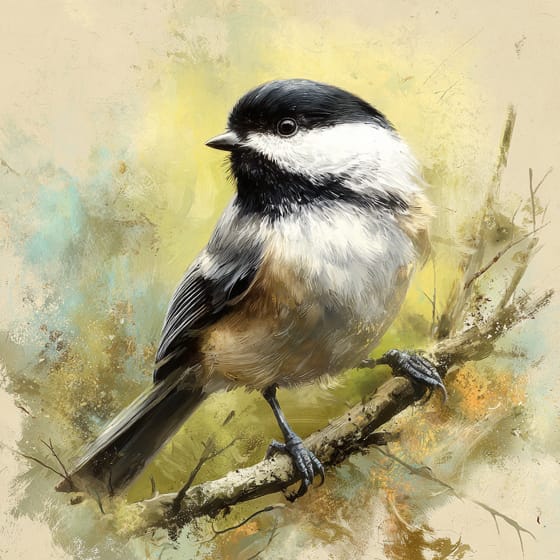
Poecile atricapillus
birds may pick larvae from mined leaves.
Social animals live in organized groups, cooperating for survival benefits such as foraging, defense, and raising offspring.
Colorful describes organisms or objects displaying a wide range of bright and distinct colors.
This trait characterizes organisms whose diet consists entirely or primarily of plant material.
Describes plants that are particularly attractive and beneficial to a wide range of pollinating organisms.

Diurnal animals are primarily active during daylight hours, typically resting or sleeping at night.

Describes a species whose presence and role have a disproportionately large effect on its environment.

Pertaining to species that are significantly smaller than typical or average for their kind.

This habitat trait indicates species that can coexist with humans in urban and suburban environments, utilizing man-made structures and green spaces.

Describes organisms that transfer pollen, enabling the fertilization and reproduction of plants.
No aliases listed yet.
Danger
1/5 · Very low
Be gentle and watch where you step to protect tiny insects like flies.
The easiest way to identify Ophiomyia maura is to use the Snappit nature identifier app.
3-6 mm
1.5-3 mm
20-40 days
Young Ophiomyia maura eat plant leaves from the inside, while adults sip sweet plant juices.
Gardens
Foraging
6
Zoom in to split clusters and explore where this object has been snapped.
Recent snaps will appear here as new observations are added.
Take the discovery with you
Snap it with Snappit to identify it, learn what makes it special, and add the discovery to your collection.







.jpg&width=800)


