





Globe Thistles
echinops
Globe thistles are unique plants with round, spiky blue flowers that look like little balls! They attract many friendly bees and butterflies which love to sip their sweet nectar.
Habitat: Globe thistles thrive in sunny fields, gardens, and meadows.
The Globe Thistle has striking, perfectly spherical flower heads, often a vibrant metallic blue or purple, making them look like spiky orbs. These unique, round blossoms stand tall on strong, silvery-green stems with deeply lobed, often prickly leaves.
Category
PlantsRarity
Common
Danger
0/5 · No known danger
Snaps
Be the first to snap!
Each globe flower is actually hundreds of tiny flowers packed together in a perfect sphere!
Some globe thistles have flowers that glow with an amazing metallic blue or purple sheen!
The spiky blue 'flower' isn't a true thistle, but a different plant wearing a similar spiky outfit!
Their seeds float away like tiny parachutes, spreading new thistles far and wide!
Globe Thistles can attract many bees and butterflies with their nectar-rich, globe-shaped flowers, helping other plants pollinate too!
Globe Thistles have sharp, spiky leaves and flower bracts that help protect them from hungry animals wanting a snack.
Globe Thistles can grow in dry, sunny places because they have deep roots that search for water underground.
Apis mellifera
Collects nectar and pollen.
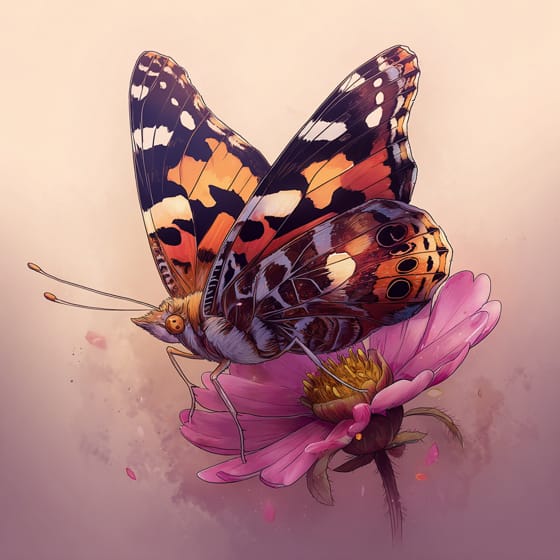
Vanessa cardui
Feeds on nectar from the blossoms.
Bombus lucorum
Visits flowers for nectar and pollen.
Colorful describes organisms or objects displaying a wide range of bright and distinct colors.
Grassland habitats are terrestrial biomes dominated by grasses and herbaceous plants, supporting a variety of grazing animals.
This trait characterizes organisms whose diet consists entirely or primarily of plant material.
Diurnal animals are primarily active during daylight hours, typically resting or sleeping at night.

Describes organisms that transfer pollen, enabling the fertilization and reproduction of plants.
Danger
0/5 · No known danger
No special safety notes yet.
The easiest way to identify Globe Thistles is to use the Snappit nature identifier app.
60-150 cm
30-60 cm
3-8 cm
Summer to early Fall (July-September in Northern Hemisphere)
No
None
Perennial
Zoom in to split clusters and explore where this object has been snapped.
Recent snaps will appear here as new observations are added.
Take the discovery with you
Snap it with Snappit to identify it, learn what makes it special, and add the discovery to your collection.










.jpg&width=800)



_001.jpg&width=800)




