





Bull Mallow
malva nicaeensis
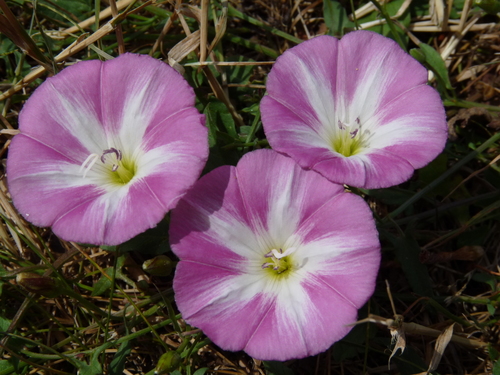
Bull Mallow is a vibrant plant with beautiful pink flowers that attract bees and butterflies! It grows in many gardens and parks, making it a delightful sight for nature lovers.
Habitat: Bull Mallow thrives in gardens, meadows, and along roadsides.
The Bull Mallow has roundish, often crinkled leaves with scalloped edges. Its small, cup-shaped flowers typically display pale lavender to pinkish-purple petals, often with darker veins, and grow in clusters from the leaf axils.
Category
PlantsRarity
Common
Danger
0/5 · No known danger
Snaps
1
Bull Mallow seeds can remain viable in the soil for decades, waiting for the perfect time to sprout!
Its common name 'mallow' comes from a Greek word meaning 'to soften' due to its soothing properties!
Some butterflies love Bull Mallow, using it as a vital food source for their caterpillars!
The plant's disc-shaped seed pods are called 'cheeses' by kids because they look like tiny cheese wheels!
Bull Mallow has a strong taproot that helps it find water deep in the soil, allowing it to survive dry periods.
This plant produces many disc-shaped seed pods that readily scatter, helping it spread and colonize new areas quickly.
Bull Mallow contains mucilage, a slippery substance that helps soothe irritations, a natural defense against being eaten.
Apis mellifera
Collects nectar and pollen, aiding reproduction.
Vanessa atalanta
Its caterpillars feed on Bull Mallow leaves.

Cornu aspersum
Snails occasionally graze on the plant's leaves.
Colorful describes organisms or objects displaying a wide range of bright and distinct colors.
Grassland habitats are terrestrial biomes dominated by grasses and herbaceous plants, supporting a variety of grazing animals.
This trait characterizes organisms whose diet consists entirely or primarily of plant material.
Diurnal animals are primarily active during daylight hours, typically resting or sleeping at night.

Describes organisms that transfer pollen, enabling the fertilization and reproduction of plants.
Danger
0/5 · No known danger
Always ask an adult before touching or picking plants.
The easiest way to identify Bull Mallow is to use the Snappit nature identifier app.
30-100 cm
40-120 cm
1-2 cm
Spring to Autumn
Yes
None
Biennial
Zoom in to split clusters and explore where this object has been snapped.
Take the discovery with you
Snap it with Snappit to identify it, learn what makes it special, and add the discovery to your collection.










.jpg&width=800)



_001.jpg&width=800)




