Golden-Eye Lichen
teloschistes chrysophthalmus
Golden-Eye Lichen is a bright yellow-orange lichen that looks like a tiny sun on rocks and trees! It loves to grow in sunny places and can survive in harsh conditions.
Habitat: It lives on rocks and tree bark in sunny and open areas.
The Golden-Eye Lichen has a striking bright orange-yellow color, growing in small, shrubby tufts. It's easily recognized by its disc-like fruiting bodies with darker, often reddish-brown centers, resembling tiny golden eyes staring out from branches. This vivid coloration makes it stand out from typical green or grey lichens.
Category
FungiRarity
Common
Danger
0/5 · No known danger
Snaps
1
Golden-Eye Lichen produces special acids that can even dissolve rock!
It's not a single plant, but two amazing partners living as one!
Some lichens grow so slowly, they can be older than your great-grandparents!
This lichen can survive extreme cold or heat, making it super tough!
Golden-Eye Lichen can dry out completely for ages, then soak up water like a sponge and restart living!
This lichen absorbs things from the air, making it a natural detector for clean or polluted environments.
Golden-Eye Lichen produces special orange pigments that protect it from harmful sun rays, like its own sunscreen.
It's actually a super team of a fungus and an alga working together to create food and shelter.
Graphopsocus cruciatus
grazes on lichen colonies for nutrients
Hypogastrura saussurei
hides within its dense, matted structure
Cochylidia implicitana
larvae feed on the lichen tissue
Arboreal animals live primarily in trees, utilizing them for shelter, food, and protection from predators.
Colorful describes organisms or objects displaying a wide range of bright and distinct colors.
Describes organisms that break down dead organic material, recycling nutrients back into the ecosystem.
Forest habitats are terrestrial environments dominated by dense tree cover, supporting a high diversity of plant and animal life.
Danger
0/5 · No known danger
No special safety notes yet.
The easiest way to identify Golden-Eye Lichen is to use the Snappit nature identifier app.
0.5-3 cm
1-5 cm
No
None
Perennial
It lives on rocks and tree bark in sunny and open areas.
Zoom in to split clusters and explore where this object has been snapped.

California, US
You might spot Canyon Sunflower, Cardinal Catchfly, and White Globe Lily.
View guide →

Missouri, US
You might spot Purple Passionflower and Variegated Fritillary.
View guide →
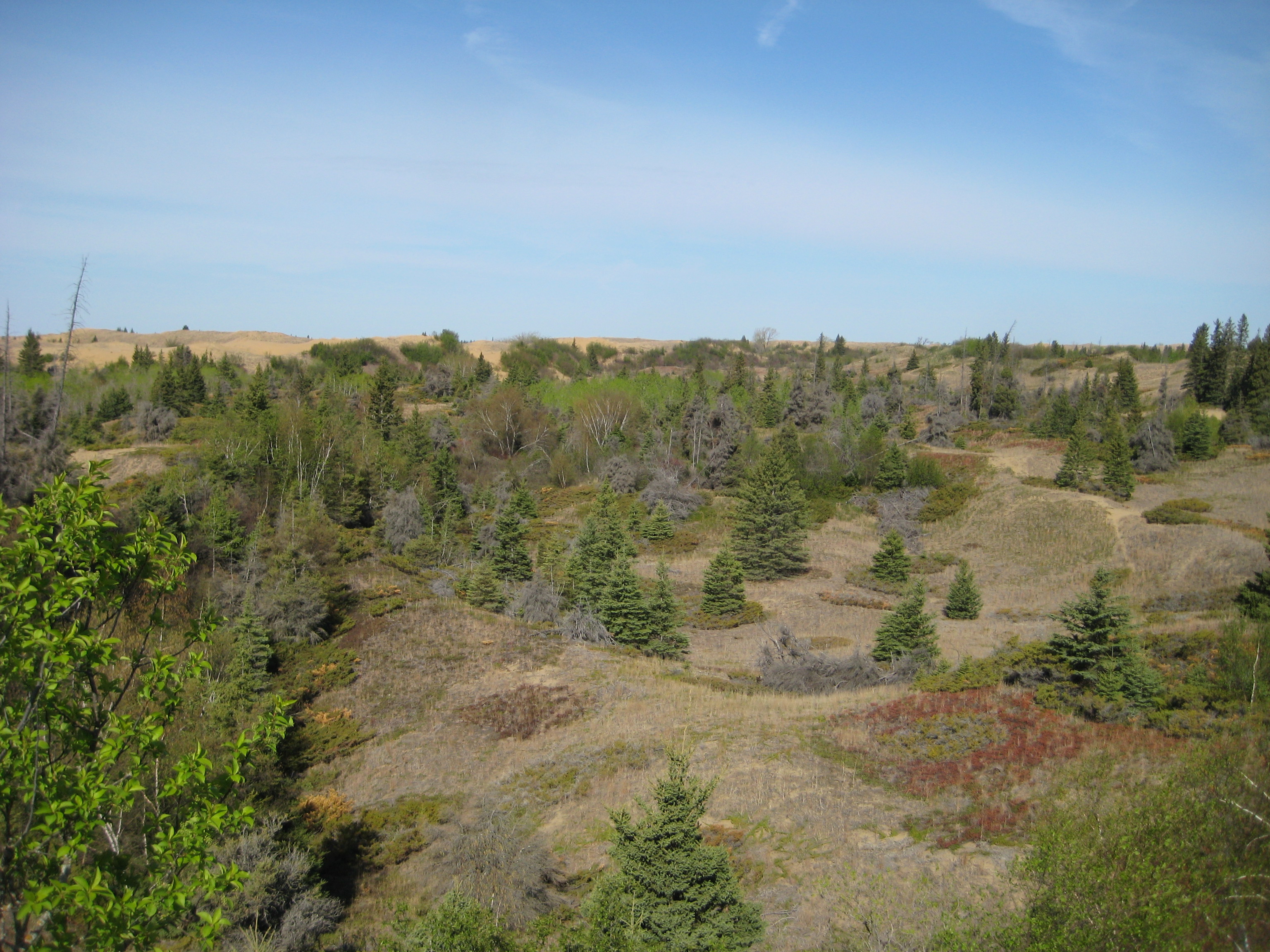
Manitoba, CA
You might spot Prairie Skink, Smooth Greensnake, and Admiral Butterfly.
View guide →
Take the discovery with you
Snap it with Snappit to identify it, learn what makes it special, and add the discovery to your collection.