Waxcaps
hygrocybe
Waxcaps are colorful mushrooms that look like little umbrellas in the forest! They come in many bright colors and can be found in grassy places after it rains.
Habitat: Waxcaps grow in grassy areas, especially in forests and meadows.
The Waxcaps are a group of fungi known for their vibrant, often jewel-toned caps that have a distinctly waxy or slimy feel. Their colours can range from fiery red and brilliant yellow to deep purple, making them stand out in their grassy habitats. Many species have smooth caps and stems, without gills or pores visible on the cap's underside.
Category
FungiRarity
Common
Danger
1/5 · Very low
Snaps
Be the first to snap!
Many Waxcaps thrive only in ancient, unfertilized meadows, making them rare finds.
One tiny Waxcap can release billions of microscopic spores to find new homes!
Some Waxcaps look like tiny, colourful jewels scattered across grassy fields!
Their scientific name, Hygrocybe, means 'watery head' because of their often moist caps.
Waxcaps have a waxy or slimy coating that helps them retain moisture, especially in dry, open grassland environments.
Waxcaps possess incredibly bright colours that might attract attention, aiding in the dispersal of their microscopic spores.
Waxcaps specialize in decomposing nutrients from undisturbed grasslands, playing a crucial role in maintaining healthy soil ecosystems.

Arion ater
Common slugs often graze on their fleshy caps.
Nardus stricta
They grow in unfertilized grasslands where this grass thrives.
Festuca rubra
Thrives in the same nutrient-poor, undisturbed grassland habitats.
Social animals live in organized groups, cooperating for survival benefits such as foraging, defense, and raising offspring.
Colorful describes organisms or objects displaying a wide range of bright and distinct colors.
Grassland habitats are terrestrial biomes dominated by grasses and herbaceous plants, supporting a variety of grazing animals.
Describes organisms that break down dead organic material, recycling nutrients back into the ecosystem.

Forest habitats are terrestrial environments dominated by dense tree cover, supporting a high diversity of plant and animal life.
Danger
1/5 · Very low
Do not touch or eat mushrooms unless a grown-up says it's safe.
The easiest way to identify Waxcaps is to use the Snappit nature identifier app.
2-12 cm
inedible
0.5-10 cm
Waxcaps grow in grassy areas, especially in forests and meadows.
soil
Autumn
White
Zoom in to split clusters and explore where this object has been snapped.
Recent snaps will appear here as new observations are added.
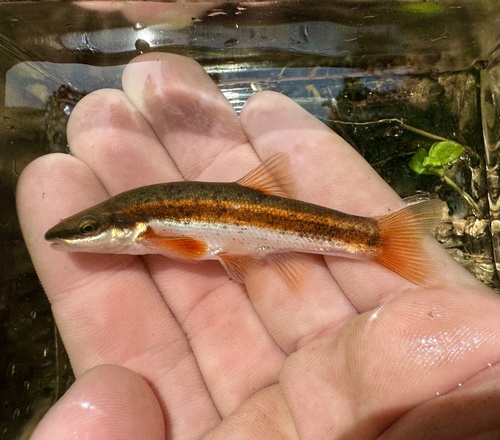
Virginia, US
You might spot Eastern Blacknose Dace and Common Jewelweed.
View guide →
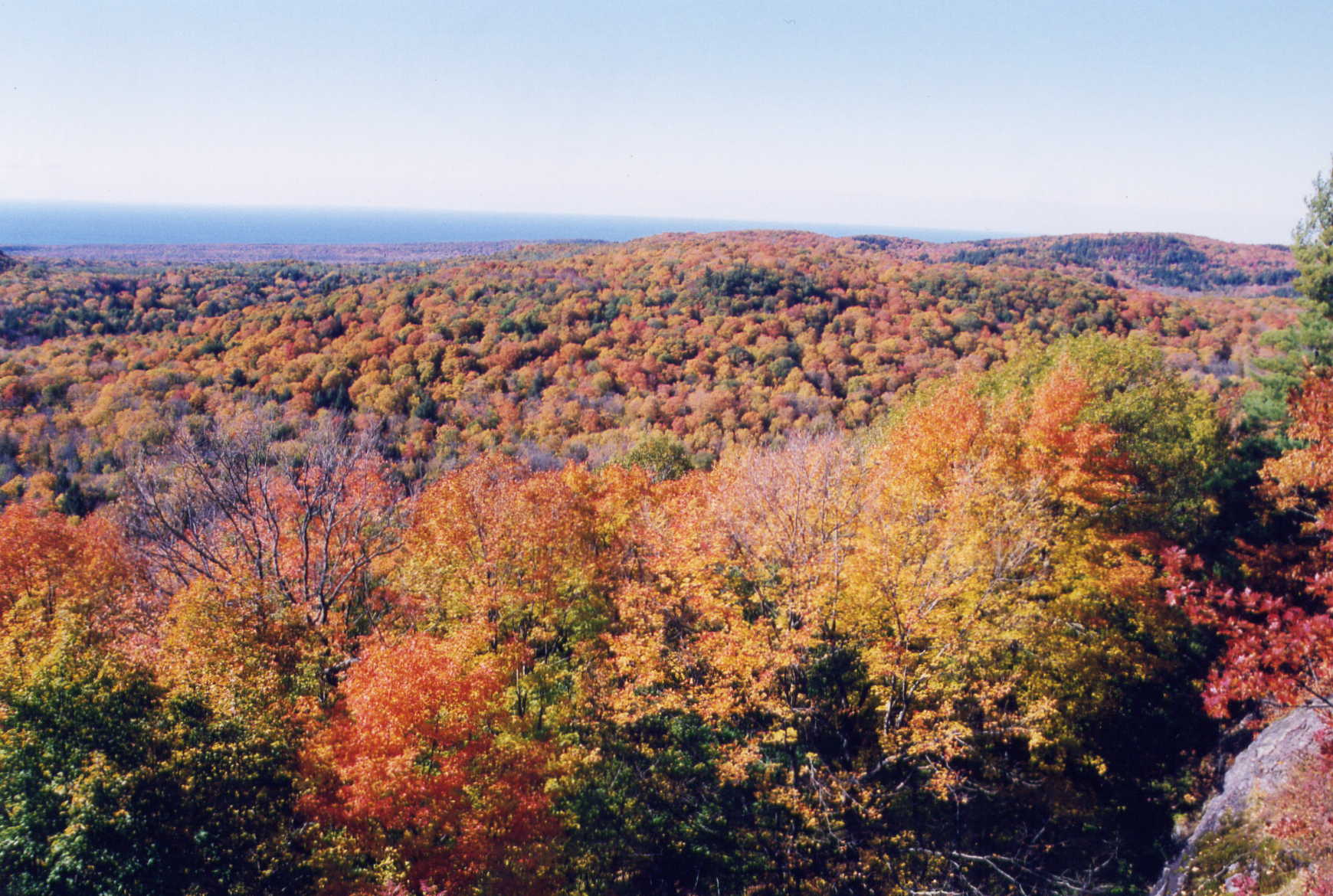
Michigan, US
You might spot Tree Lungwort, Shining Firmoss, and American Toad.
View guide →
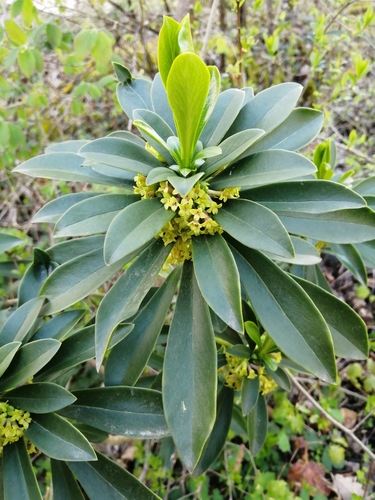
British Columbia, CA
You might spot Spurge-Laurel and Common Wall Lizard.
View guide →
Take the discovery with you
Snap it with Snappit to identify it, learn what makes it special, and add the discovery to your collection.