





Grammostola rosea
Grammostola rosea
The Grammostola rosea, also known as the Chilean Rose Tarantula, is a fluffy spider that can be pink or brown. They are gentle and often kept as pets because they are calm and easy to care for.
Habitat: Desert
The Grammostola rosea is a medium-sized tarantula known for its velvety appearance. It often has reddish-brown to pinkish-orange hairs covering its dark body and legs, giving it a soft, rosy glow. This unique coloration distinguishes it from many other darker tarantula species.
Category
InsectsRarity
Common
Danger
2/5 · Low
Snaps
Be the first to snap!
A Grammostola rosea can survive without food for months, even up to a year!
Female Chilean Rose T. can live over 20 years, making them very long-lived pets!
Their venom is usually mild, similar to a bee sting, not dangerous for humans.
They can regrow lost legs after molting, like having a spare set of limbs!
Grammostola rosea can defend itself by flicking urticating hairs from its abdomen that can irritate predators, helping them escape danger.
Grammostola rosea has strong fangs and legs that help them dig intricate burrows, providing a safe and hidden home.
Grammostola rosea can sense subtle ground vibrations through its legs, allowing them to detect nearby prey and predators.
These tarantulas are skilled ambush predators, eating small insects and other tiny creatures.

Buteo jamaicensis
Hawks are natural predators.
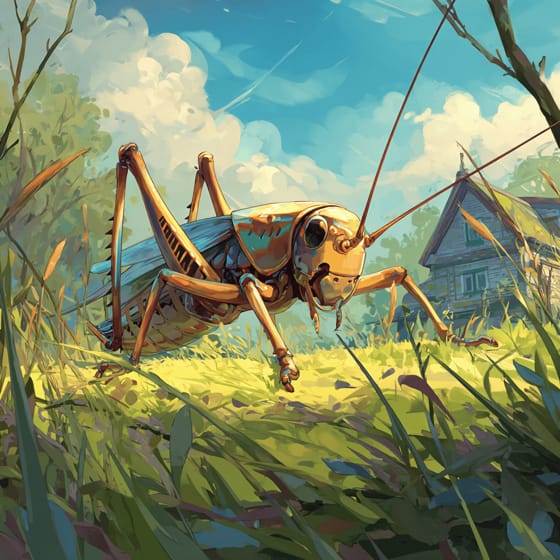
Acheta domesticus
A primary food source.
Pseudalopex culpaeus
Foxes can prey on large spiders.

Schistocerca gregaria
A common large insect prey.
Furry describes animals possessing a dense covering of soft hair or fur.
Solitary animals live alone for most of their lives, only interacting with others for mating or parental care.
Burrowing animals dig tunnels and chambers in the ground, using these subterranean structures for shelter, hunting, or breeding.
Colorful describes organisms or objects displaying a wide range of bright and distinct colors.

Desert habitats are arid regions characterized by extremely low precipitation and often extreme temperatures, supporting specialized flora and fauna.

This trait characterizes organisms with an exceptionally long lifespan compared to others of their kind.

This trait identifies organisms whose diet consists entirely or primarily of animal tissue.
Danger
2/5 · Low
Always watch from a distance and never touch a tarantula without adult supervision.
The easiest way to identify Grammostola rosea is to use the Snappit nature identifier app.
50-70 mm
5475-7300 days
These tarantulas are skilled ambush predators, eating small insects and other tiny creatures.
Desert
Ambush
8
Zoom in to split clusters and explore where this object has been snapped.
Recent snaps will appear here as new observations are added.
Take the discovery with you
Snap it with Snappit to identify it, learn what makes it special, and add the discovery to your collection.








.jpg&width=800)



