





greenspot nightshade
Solanum douglasii
Greenspot nightshade is a small plant with pretty purple flowers and shiny green berries. It grows in sunny places and can be found in gardens and fields.
Habitat: Urban areas
The greenspot nightshade is a sprawling herbaceous plant with lobed leaves and clusters of small, star-shaped white to pale purple flowers. Its distinctive berries are bright green with tiny white spots when unripe, turning glossy black when ripe.
Category
PlantsRarity
Common
Danger
3/5 · Moderate
Snaps
1
Even its green, unripe berries have tiny white spots, giving it the 'greenspot' name.
It's a cousin to potatoes and tomatoes, but its shiny berries are very poisonous!
Its ripe, black berries look a bit like tiny blueberries, but they are NOT safe to eat!
Some caterpillars, like hornworms, can actually eat its toxic leaves without getting sick!
greenspot nightshade has toxic compounds in its leaves and berries that help it defend against most hungry animals.
greenspot nightshade can produce hundreds of small berries, ensuring its seeds are spread widely by birds.
greenspot nightshade can thrive in many disturbed habitats, allowing it to quickly colonize new areas.
Apis mellifera
visits flowers for nectar and pollen
Manduca sexta
larvae feed on the leaves as a host plant
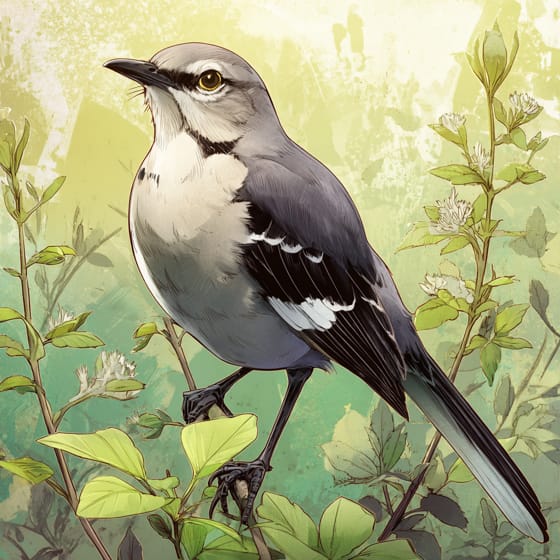
Mimus polyglottos
consumes berries, aiding in seed dispersal
Flowering plants are any plants that produce flowers as part of their reproductive cycle.
A shrub is a woody plant smaller than a tree, typically with multiple stems branching from or near the ground.
Summer blooming plants produce their flowers during the summer season, often providing vibrant color when many other plants have finished.
Fruit-bearing plants produce fruits, which are the mature ovaries of flowering plants containing seeds.

Medicinal plants possess chemical compounds that can be used for therapeutic purposes to treat illnesses or maintain health.

Colorful describes organisms or objects displaying a wide range of bright and distinct colors.

Edible plants are those parts of a plant that are considered safe for human consumption.

Describes plants that are particularly attractive and beneficial to a wide range of pollinating organisms.

This habitat trait indicates species that can coexist with humans in urban and suburban environments, utilizing man-made structures and green spaces.
No aliases listed yet.
Danger
3/5 · Moderate
Do not eat the berries, as they can make you feel sick.
The easiest way to identify greenspot nightshade is to use the Snappit nature identifier app.
10-100 cm
30-150 cm
1-2 cm
Spring to fall
No
High
Perennial
Zoom in to split clusters and explore where this object has been snapped.
Take the discovery with you
Snap it with Snappit to identify it, learn what makes it special, and add the discovery to your collection.









.jpg&width=800)



_001.jpg&width=800)



