





Florida Beargrass
Nolina atopocarpa
Florida Beargrass is a unique plant with long, thin leaves that look like grass. It grows in sandy places and can produce beautiful white flowers that attract butterflies and bees.
Habitat: Coastal areas
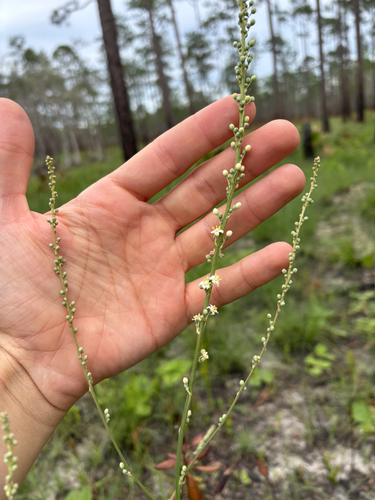
The Florida Beargrass has long, narrow, evergreen leaves that form a dense clump, making it look like a giant grass. Its tiny, creamy-white flowers bloom in a large, branched cluster on a tall, central stalk, rising above the foliage.
Category
PlantsRarity
Common
Danger
2/5 · Low
Snaps
1
Its tall flower stalk can grow much taller than a person, sometimes over five feet!
Native Americans used its incredibly strong leaf fibers for weaving sturdy baskets and cordage!
This plant isn't a grass at all, but a unique member of the agave family!
Tiny cream-colored flowers bloom in huge clusters, attracting many small buzzing insects!
Florida Beargrass can regrow from its resilient roots after wildfires, helping forests recover quickly.
Florida Beargrass can survive long dry periods by storing water in its thick, underground rootstock.
Florida Beargrass's dense root system helps hold sandy soil in place, preventing erosion in its habitat.

Bombus impatiens
Buzzing bees collect nectar and pollen from its flowers.
Apis mellifera
Honey bees are drawn to its numerous small, sweet-smelling blooms.
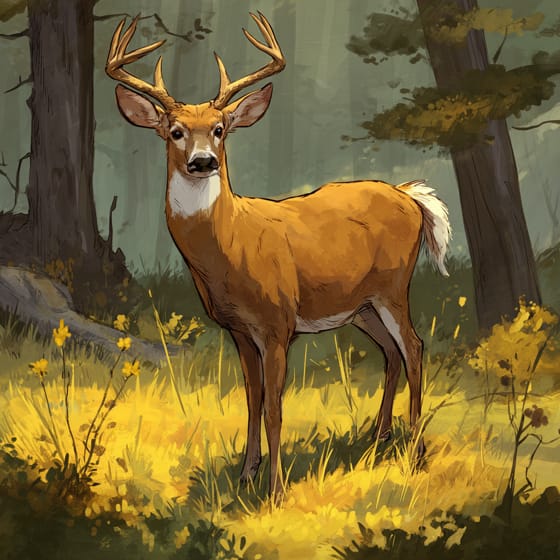
Odocoileus virginianus
Deer may lightly browse its leaves, especially new growth, when other food is scarce.
Flowering plants are any plants that produce flowers as part of their reproductive cycle.
Grass-like plants are herbaceous plants that visually resemble true grasses, typically having long, narrow leaves.
Spring blooming plants produce their flowers during the spring season, often signifying the end of winter and the start of new growth.
Summer blooming plants produce their flowers during the summer season, often providing vibrant color when many other plants have finished.

Evergreen plants retain their foliage throughout the year, never shedding all their leaves at once.

Drought-tolerant plants can survive and flourish in conditions with limited water availability.

Describes plants that are particularly attractive and beneficial to a wide range of pollinating organisms.

Coastal habitats are dynamic environments located along the interface between land and sea, influenced by tides, waves, and saltwater.
No aliases listed yet.
Danger
2/5 · Low
Don't touch the sharp leaves without adult supervision.
The easiest way to identify Florida Beargrass is to use the Snappit nature identifier app.
50-150 cm
30-90 cm
0.3-0.5 cm
Spring to early summer
No
None
Perennial
Zoom in to split clusters and explore where this object has been snapped.
Apr 19, 2026
Dead Lakes ParkPhoto attribution
no rights reserved
License: CC0 1.0 ↗
Image may be shown cropped inside the card frame.
Take the discovery with you
Snap it with Snappit to identify it, learn what makes it special, and add the discovery to your collection.









.jpg&width=800)



_001.jpg&width=800)



