





Hadada Ibis
Bostrychia hagedash
The Hadada Ibis is a large bird with a long, curved bill and beautiful greenish-black feathers. They are often seen in groups and love to make loud, honking calls that sound like 'ha-da-da'.
Habitat: Wetlands
The Hadada Ibis is a medium-large bird with dull grey-brown plumage, but its wings shimmer with iridescent green and purple. It has a distinctive long, downcurved black bill and a bare black face patch.
Category
BirdsRarity
Common
Danger
1/5 · Very low
Snaps
Be the first to snap!
Hadada Ibises often fly in V-formations, just like many geese!
Their loud, piercing call, 'haa-haa-dah', gives them their very own name!
These birds use their strong feet to stomp the ground, flushing out hidden bugs!
They sometimes build nests in surprisingly high places, even tall urban buildings!
Hadada Ibises can expertly probe soft ground because their long, curved bill helps them reach hidden insects and worms.
The Hadada Ibis has a famously loud 'haa-haa-dah' call that helps them communicate across distances and defend their territory.
Hadada Ibises can locate hidden prey in mud because their sensitive bill can detect subtle movements and scents underground.
The Hadada Ibis has excellent eyesight that helps them spot potential predators or good feeding grounds from a distance.
These omnivores love to dig for insects, worms, and small creatures in soft ground.
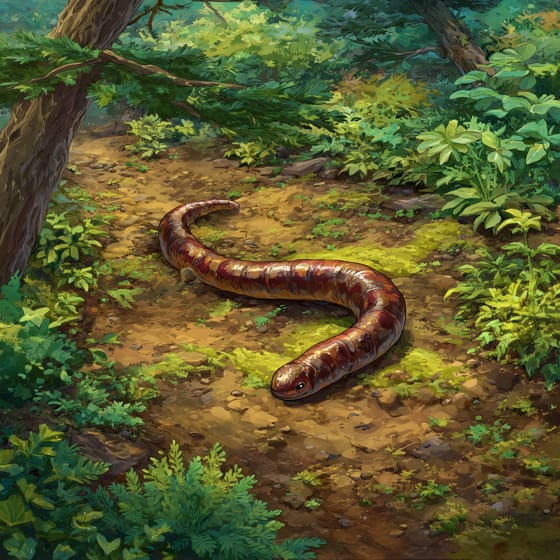
Lumbricus terrestris
A favorite meal dug from the soil.
Haliaeetus vocifer
A natural predator of Hadada Ibises.
Bos taurus
Forages near grazing animals for insects.
Feathered describes animals, primarily birds, possessing a covering of feathers.
Social animals live in organized groups, cooperating for survival benefits such as foraging, defense, and raising offspring.
This trait identifies organisms whose diet primarily consists of insects and other small invertebrates.
Piscivorous organisms are animals that primarily subsist on a diet of fish.

This habitat trait identifies species found in wetlands, which are areas of land saturated with water, either permanently or seasonally, including marshes, swamps, and bogs.

This trait identifies organisms whose diet consists entirely or primarily of animal tissue.

Diurnal animals are primarily active during daylight hours, typically resting or sleeping at night.
Danger
1/5 · Very low
Watch from a distance and don't try to touch wild birds.
The easiest way to identify Hadada Ibis is to use the Snappit nature identifier app.
65-76 cm
90-100 cm
0.9-1.3 kg
10-20 years
50 km/h
These omnivores love to dig for insects, worms, and small creatures in soft ground.
Wetlands
Zoom in to split clusters and explore where this object has been snapped.
Recent snaps will appear here as new observations are added.
Take the discovery with you
Snap it with Snappit to identify it, learn what makes it special, and add the discovery to your collection.




.jpg&width=800)








