Hexagonal-Pored Polypore
neofavolus alveolaris
The Hexagonal-Pored Polypore is a unique fungus that looks like a honeycomb! It's often found growing on decaying wood, helping nature break down old trees.
Habitat: Forests, usually on decaying wood.
The Hexagonal-Pored Polypore has a fan-shaped or kidney-shaped cap, often pale yellow, orange, or brownish when young. Its most distinctive feature is the underside, covered with prominent, angular, hexagonal pores that give it a honeycomb-like appearance, making it visually unique among shelf fungi.
Category
FungiRarity
Common
Danger
0/5 · No known danger
Snaps
2
It changes color from bright orange when young to pale cream or brown as it ages!
Its scientific name, 'alveolaris,' means 'like a honeycomb' from its unique pore pattern!
This fungus can grow incredibly quickly, sometimes appearing almost overnight on dead logs after rain!
You might find tiny beetles or other insects nibbling on its cap or hiding in its honeycomb pores!
Hexagonal-Pored Polypore can break down dead wood because it releases special enzymes that help recycle nutrients into the soil.
Hexagonal-Pored Polypore has perfectly hexagonal pores that help it efficiently release and spread its tiny spores into the air.
Hexagonal-Pored Polypore has a tough, leathery texture that helps it stay attached and endure various weather conditions on wood.
Colorful describes organisms or objects displaying a wide range of bright and distinct colors.
Describes organisms that break down dead organic material, recycling nutrients back into the ecosystem.
Forest habitats are terrestrial environments dominated by dense tree cover, supporting a high diversity of plant and animal life.
Danger
0/5 · No known danger
No special safety notes yet.
The easiest way to identify Hexagonal-Pored Polypore is to use the Snappit nature identifier app.
0.5-2 cm
inedible
2-10 cm
Forests, usually on decaying wood.
wood
Spring to fall
White
Zoom in to split clusters and explore where this object has been snapped.
Ohio, US
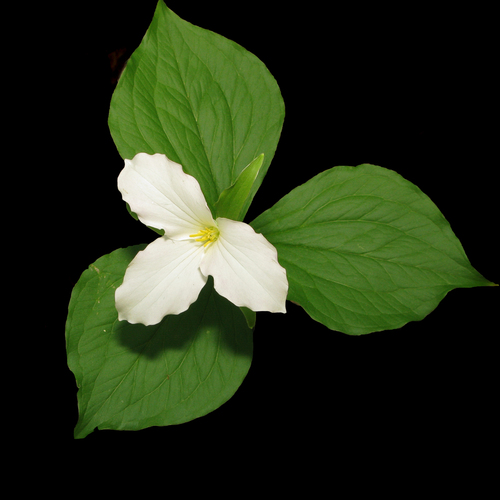
You might spot Large White Trillium, Virginia Saxifrage, and Bloodroot.
View guide →

Georgia, US
You might spot Striped Wintergreen, Devil's Dipstick, and Golden Reishi.
View guide →

Pennsylvania, US
You might spot Jacob's Ladder and Hexagonal-Pored Polypore.
View guide →
Take the discovery with you
Snap it with Snappit to identify it, learn what makes it special, and add the discovery to your collection.