





Humpbacked Flies
Phoridae
Humpbacked flies are tiny insects that have a unique humped back. They are often found in damp places and can be seen buzzing around flowers and decaying plants.
Habitat: Wetlands
The Humpbacked Flies has a distinctive rounded, hump-shaped thorax, which gives them their name. They are tiny, typically dark-bodied, with small heads and short antennae. Their clear wings often appear somewhat iridescent under light.
Category
InsectsRarity
Common
Danger
1/5 · Very low
Snaps
Be the first to snap!
A female can lay hundreds of eggs in her short lifetime!
Many species can run much faster than they fly!
Some Phorid fly larvae can live inside bee brains!
They are often called 'coffin flies' because they can be found deep in buried coffins!
Humpbacked Flies can lay eggs on ants, and their larvae grow inside, eventually causing the ant's head to fall off.
Humpbacked Flies can burrow several feet into soil to reach hidden food sources, like buried decaying animals.
Humpbacked Flies can dart and change direction incredibly fast, helping them escape predators with surprising agility.
They eat decaying plants, fungi, and sometimes become parasites inside other insects or snails.
Age differences: Larvae are often parasitic or feed on decaying matter, while adults may sip nectar or honeydew.
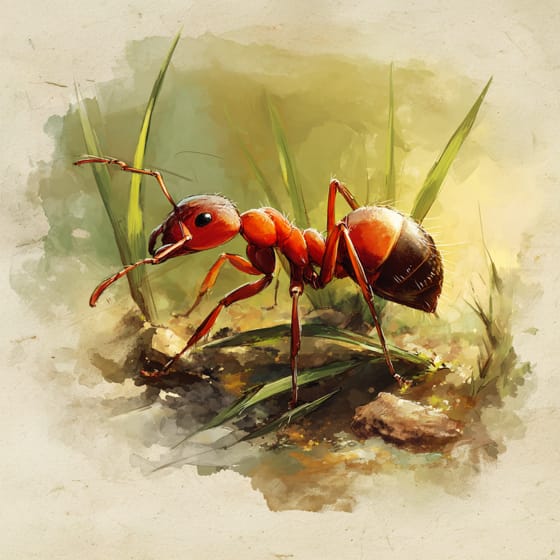
Solenopsis invicta
Larvae develop inside and eventually behead the host ant.
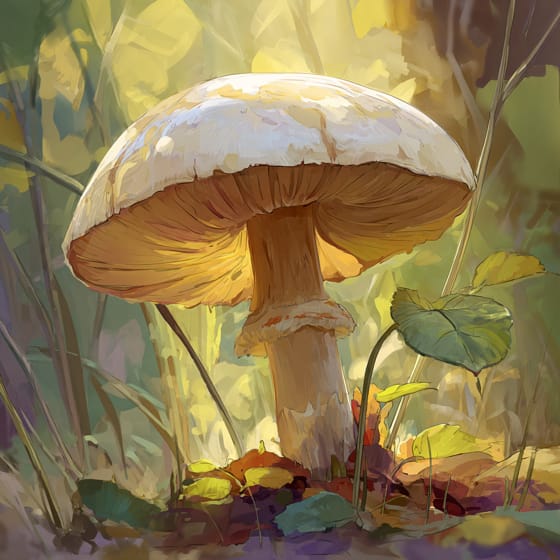
Agaricus bisporus
Many Phorid fly larvae feed on decaying fungi.
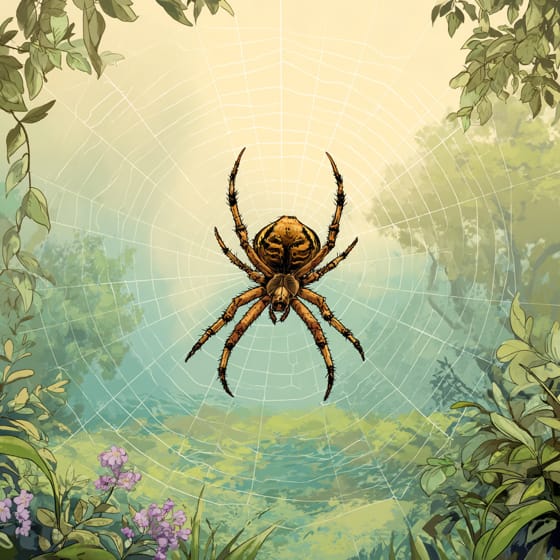
Araneus diadematus
Common garden spiders are predators of small flying insects.
Apis mellifera
Some species lay eggs on honey bees, with larvae developing inside.
This trait identifies organisms whose diet includes both plant and animal matter.
Describes plants that are particularly attractive and beneficial to a wide range of pollinating organisms.
Describes organisms that break down dead organic material, recycling nutrients back into the ecosystem.
This habitat trait identifies species found in wetlands, which are areas of land saturated with water, either permanently or seasonally, including marshes, swamps, and bogs.

Diurnal animals are primarily active during daylight hours, typically resting or sleeping at night.

Pertaining to species that are significantly smaller than typical or average for their kind.

This trait identifies organisms that exhibit exceptional swiftness in movement for hunting, escape, or travel.

Describes organisms that transfer pollen, enabling the fertilization and reproduction of plants.
No aliases listed yet.
Danger
1/5 · Very low
Humpbacked flies are harmless, but it's best to watch them from a distance.
The easiest way to identify Humpbacked Flies is to use the Snappit nature identifier app.
1-5 mm
7-40 days
They eat decaying plants, fungi, and sometimes become parasites inside other insects or snails.
Wetlands
Foraging
6
Zoom in to split clusters and explore where this object has been snapped.
Recent snaps will appear here as new observations are added.
Take the discovery with you
Snap it with Snappit to identify it, learn what makes it special, and add the discovery to your collection.








.jpg&width=800)




