





Western Thatching Ant
Formica obscuripes
The Western Thatching Ant is a busy little insect that builds cozy nests from grass and leaves. They work together as a team to gather food and take care of their home.
Habitat: Grasslands
The Western Thatching Ant is a medium-sized ant, typically dark reddish-brown to black, with a noticeably darker head and abdomen contrasting with a lighter reddish thorax. It has a slightly hairy body and legs. This species is visually distinguished by its often-large, dome-shaped nest mounds made of plant material.
Category
InsectsRarity
Common
Danger
2/5 · Low
Snaps
Be the first to snap!
Wow! Queen ants can live for over 15 years, starting giant new families!
Wow! Their huge nest mounds can sometimes grow taller than a child!
Wow! These ants communicate using invisible scent trails to find food and friends!
Wow! They can move their whole colony to a new home if their nest is damaged!
Western Thatching Ant can build impressive dome-shaped nests from plant material that helps insulate their colony from extreme temperatures.
Western Thatching Ant can spray formic acid from its abdomen that helps them deter predators and paralyze prey.
Western Thatching Ant can farm aphids for their sugary honeydew, which provides essential energy for the colony.
Western Thatching Ant has a strong social organization that helps them rapidly mobilize workers to defend their nest.
Western Thatching Ants eat sugary plant sap, insects, and other small creatures they find.
Aphis gossypii
Tends aphids for sugary honeydew, providing protection.
Ursus americanus
Bears sometimes dig up nests to eat ant larvae and adults.
Phrynosoma douglasii
Lizards prey on worker ants they encounter foraging.
Social animals live in organized groups, cooperating for survival benefits such as foraging, defense, and raising offspring.
This trait identifies organisms whose diet includes both plant and animal matter.
Grassland habitats are terrestrial biomes dominated by grasses and herbaceous plants, supporting a variety of grazing animals.
Describes organisms that break down dead organic material, recycling nutrients back into the ecosystem.

Diurnal animals are primarily active during daylight hours, typically resting or sleeping at night.

Describes a species whose presence and role have a disproportionately large effect on its environment.

Pertaining to species that are significantly smaller than typical or average for their kind.

Describes organisms that transfer pollen, enabling the fertilization and reproduction of plants.
No aliases listed yet.
Danger
2/5 · Low
Be careful not to disturb their nests, as they might bite if they feel threatened.
The easiest way to identify Western Thatching Ant is to use the Snappit nature identifier app.
12-18 mm
4-8 mm
200-730 days
Western Thatching Ants eat sugary plant sap, insects, and other small creatures they find.
Grasslands
Foraging
6
Zoom in to split clusters and explore where this object has been snapped.
Recent snaps will appear here as new observations are added.
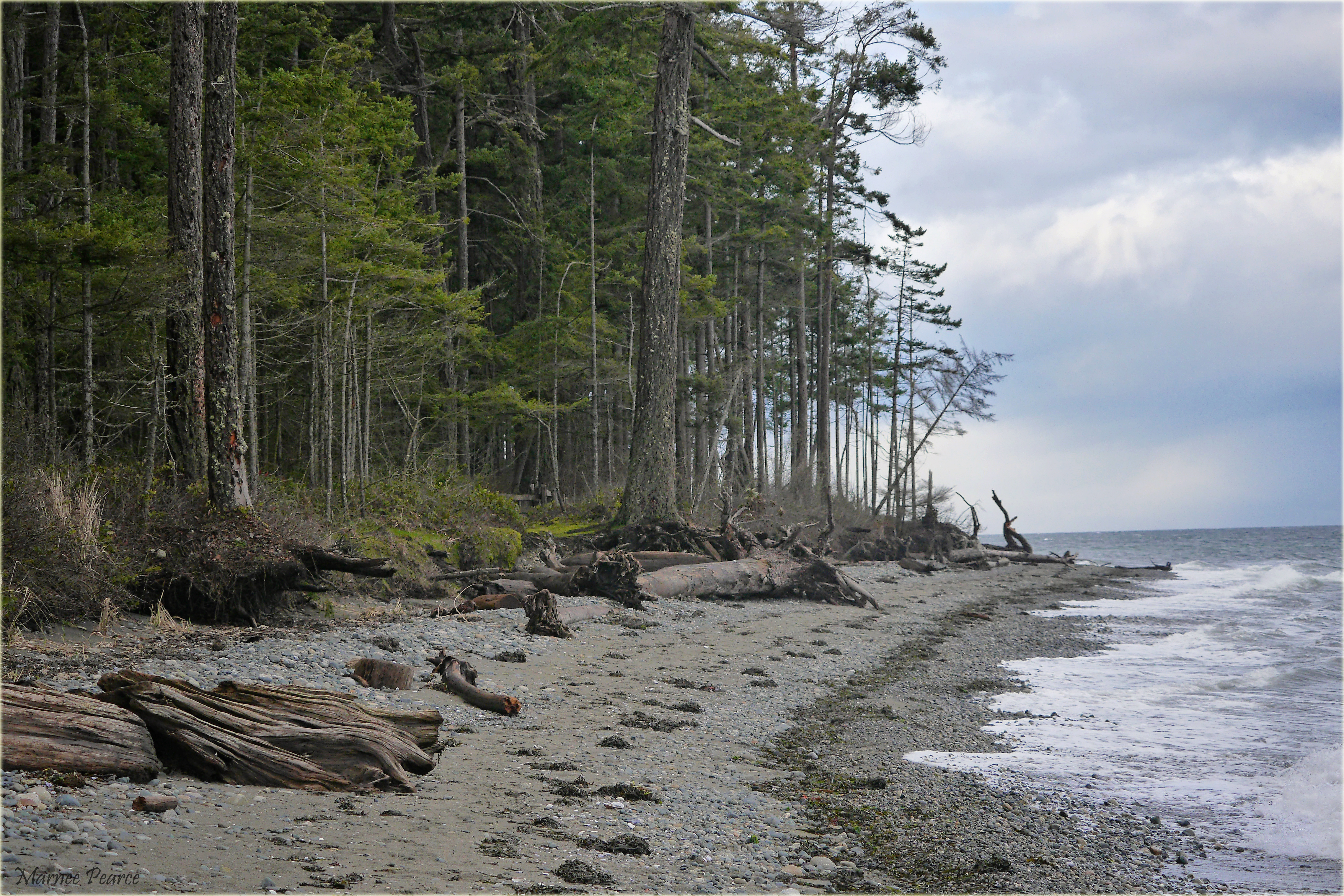
British Columbia, CA
You might spot European Rabbit, Yellow Shore Crab, and Nootka Rose.
View guide →
.jpg)
British Columbia, CA
You might spot Oregon Grape, Heartleaf Arnica, and Solomon's Plume.
View guide →
Take the discovery with you
Snap it with Snappit to identify it, learn what makes it special, and add the discovery to your collection.







.jpg&width=800)



