





Introduced Pine Sawfly
Diprion similis
The Introduced Pine Sawfly is a small insect that loves to munch on pine trees. They have a green body and can be found in groups, making them easy to spot on tree leaves.
Habitat: Forests
The Introduced Pine Sawfly adult female has a black body with prominent yellow markings and an orange head. Males are mostly black with white-banded antennae and legs. Its larvae are greenish-yellow with black heads and two dark stripes along their backs, making them distinctive.
Category
InsectsRarity
Common
Danger
1/5 · Very low
Snaps
Be the first to snap!
Female sawflies use a special 'saw' to tuck eggs safely inside pine needles.
Introduced Pine Sawflies arrived in North America from Europe!
These larvae wiggle together to scare away hungry birds!
They are not true flies, but are more like tiny wasps without a sting!
Introduced Pine Sawfly larvae can regurgitate sticky pine resin as a defense because of specialized digestive systems that concentrate it from their food.
The Introduced Pine Sawfly female has a specialized saw-like ovipositor that helps her cut slits into pine needles for safe egg-laying.
Young Introduced Pine Sawfly larvae feed in large groups that helps them deter predators and stay safer together.
Pine Sawfly larvae munch on pine needles, while adults may drink nectar or water.
Age differences: Larvae feed exclusively on pine needles, while adults typically do not feed or consume minimal nectar/water.
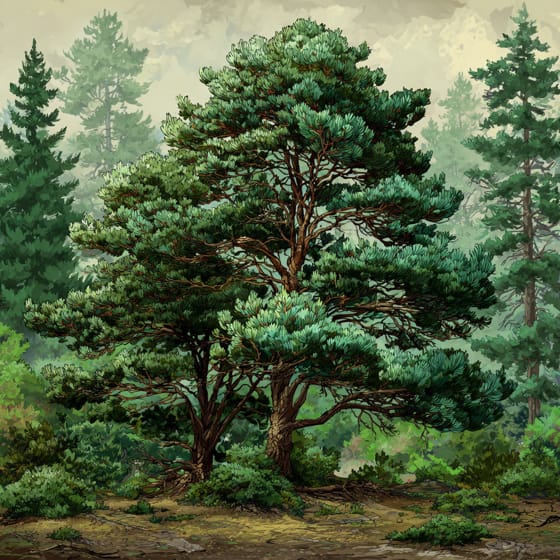
Pinus strobus
Larvae defoliate needles of this common pine.
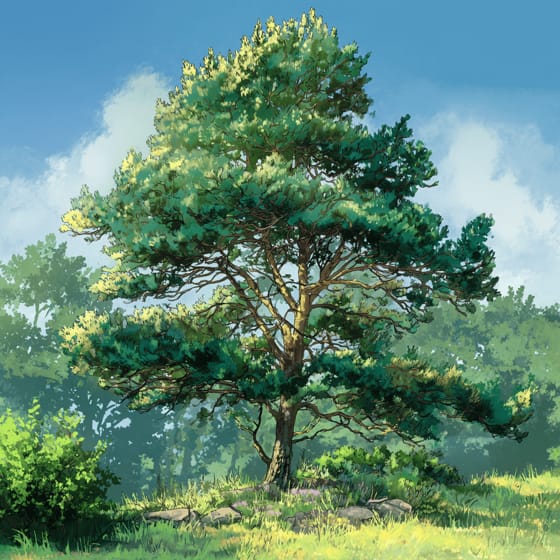
Pinus sylvestris
A primary food source for sawfly larvae.
Dahlbominus fuscipennis
Parasitic wasp lays eggs on sawfly pupae.
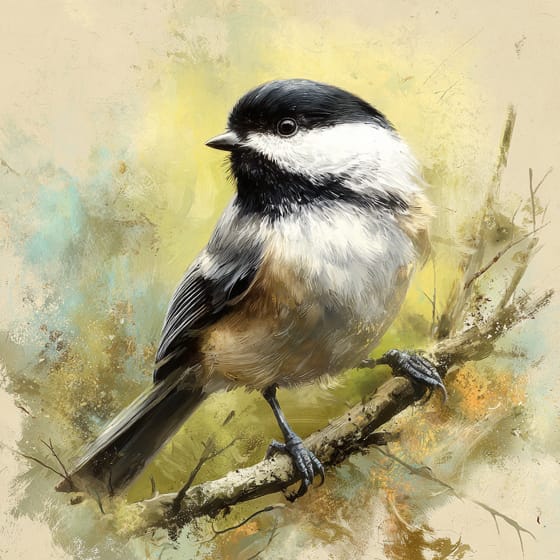
Poecile atricapillus
Birds prey on sawfly larvae and pupae.
Social animals live in organized groups, cooperating for survival benefits such as foraging, defense, and raising offspring.
Camouflaged describes organisms that possess coloring or patterns that allow them to blend into their environment.
Colorful describes organisms or objects displaying a wide range of bright and distinct colors.
This trait characterizes organisms whose diet consists entirely or primarily of plant material.

Forest habitats are terrestrial environments dominated by dense tree cover, supporting a high diversity of plant and animal life.

Diurnal animals are primarily active during daylight hours, typically resting or sleeping at night.

Pertaining to species that are significantly smaller than typical or average for their kind.

Invasive species are non-native organisms that cause harm to the environment, economy, or human health.
No aliases listed yet.
Danger
1/5 · Very low
It's best to look at insects from a distance and not touch them.
The easiest way to identify Introduced Pine Sawfly is to use the Snappit nature identifier app.
12-20 mm
6-10 mm
30-270 days
Pine Sawfly larvae munch on pine needles, while adults may drink nectar or water.
Forests
Foraging
6
Zoom in to split clusters and explore where this object has been snapped.
Recent snaps will appear here as new observations are added.
Take the discovery with you
Snap it with Snappit to identify it, learn what makes it special, and add the discovery to your collection.







.jpg&width=800)


