





Javan Pond-Heron
Ardeola speciosa
The Javan Pond-Heron is a beautiful bird that loves to live near water. It has a special way of changing colors depending on the season, making it look different throughout the year!
Habitat: Wetlands
The Javan Pond-Heron has a remarkable plumage change. In breeding season, it sports a striking white body, a golden-buff head and neck, and a contrasting chestnut-maroon back. Outside breeding, it appears drabber, with a brown-streaked head and neck on a whitish body, blending into its watery surroundings. Its yellow legs remain constant.
Category
BirdsRarity
Common
Danger
1/5 · Very low
Snaps
Be the first to snap!
Baby Javan Pond-Herons are called "chicks" and are born without feathers.
Their sharp, pointed bill is like a perfect set of chopsticks for grabbing food!
These clever birds sometimes forage on floating vegetation like water hyacinths.
They often nest in colonies high in trees, even above busy streets!
Javan Pond-Herons can change their feather colors dramatically for camouflage or to attract a mate, helping them blend in or stand out.
Javan Pond-Herons can stand perfectly still for long periods, which helps them surprise unsuspecting fish and insects in the water.
Javan Pond-Herons have an incredibly flexible neck that allows them to strike quickly and accurately at fast-moving prey.
They mainly eat small aquatic creatures like fish and insects, using their sharp beak to catch them.
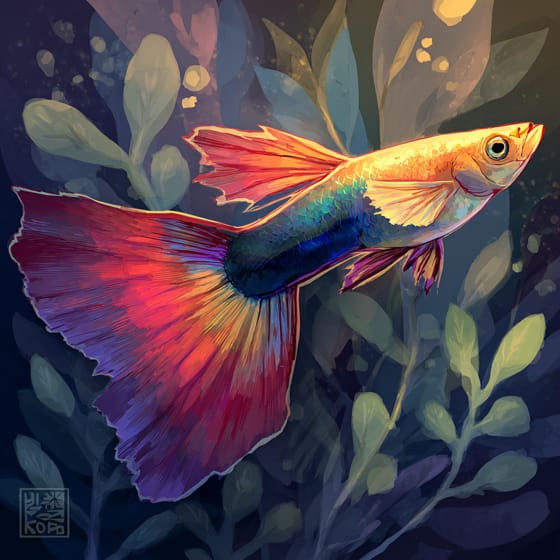
Poecilia reticulata
a common small fish found in its wetland habitats.
Pantala flavescens
catches adult dragonflies and their larvae in flight or water.
Fejervarya limnocharis
preys on these common frogs found in rice paddies.
Haliaeetus leucogaster
larger raptors may occasionally prey on adult or juvenile herons.
Feathered describes animals, primarily birds, possessing a covering of feathers.
Solitary animals live alone for most of their lives, only interacting with others for mating or parental care.
Colorful describes organisms or objects displaying a wide range of bright and distinct colors.
Piscivorous organisms are animals that primarily subsist on a diet of fish.

An ambush predator hunts by patiently waiting and concealing itself, then launching a sudden attack when unsuspecting prey comes within range.

This habitat trait identifies species found in wetlands, which are areas of land saturated with water, either permanently or seasonally, including marshes, swamps, and bogs.

Diurnal animals are primarily active during daylight hours, typically resting or sleeping at night.

Endangered status indicates a species is at a very high risk of extinction in the wild in the near future.
No aliases listed yet.
Danger
1/5 · Very low
Always watch birds from a distance and don't try to touch them.
The easiest way to identify Javan Pond-Heron is to use the Snappit nature identifier app.
40-45 cm
75-85 cm
0.25-0.35 kg
5-10 years
35 km/h
They mainly eat small aquatic creatures like fish and insects, using their sharp beak to catch them.
Wetlands
Zoom in to split clusters and explore where this object has been snapped.
Recent snaps will appear here as new observations are added.
Take the discovery with you
Snap it with Snappit to identify it, learn what makes it special, and add the discovery to your collection.




.jpg&width=800)







