





White-tailed Eagle
Haliaeetus albicilla
The White-tailed Eagle is a large bird with a beautiful white tail. It loves to soar high in the sky and can be found near water, where it hunts for fish.
Habitat: Coastal areas
The White-tailed Eagle is a very large brown eagle with a distinctly pale, often whitish, head and neck. Its most striking feature is a short, wedge-shaped, pure white tail in adults, which contrasts sharply with its dark body. It also has a massive, bright yellow beak.
Category
BirdsRarity
Common
Danger
2/5 · Low
Snaps
Be the first to snap!
A chick can grow from an egg to a huge bird in just over two months!
Its immense wingspan is wider than a small car is long!
Their calls sound like gulls, but much deeper and more powerful!
These majestic birds can live longer than many pet cats or dogs!
White-tailed Eagles have powerful, rough-soled talons that help them grip slippery fish from water with ease.
White-tailed Eagles have incredibly sharp eyesight that helps them spot prey from very high up in the sky.
White-tailed Eagles build massive stick nests, often used for decades, that can become huge structures over a ton.
White-tailed Eagles have broad wings that allow them to glide effortlessly for hours, conserving energy.
These large eagles primarily feast on fish, waterbirds, and even carrion from land or sea.
Age differences: Juveniles rely more on carrion and easier prey while learning to hunt effectively.
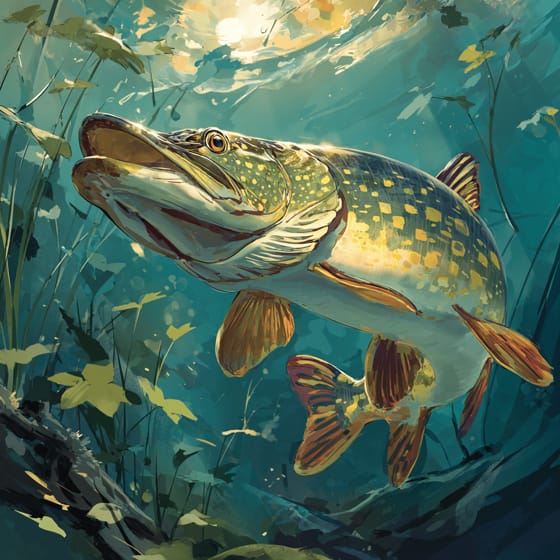
Esox lucius
A common large fish prey
Anas platyrhynchos
Frequently preys on waterbirds

Cervus elaphus
Scavenges carrion from their carcasses

Pinus sylvestris
Builds large nests in its strong branches
Feathered describes animals, primarily birds, possessing a covering of feathers.
Social animals live in organized groups, cooperating for survival benefits such as foraging, defense, and raising offspring.
Aerial creatures spend a significant portion of their lives airborne, utilizing flight for various activities such as hunting, migration, or nesting.
Piscivorous organisms are animals that primarily subsist on a diet of fish.

Coastal habitats are dynamic environments located along the interface between land and sea, influenced by tides, waves, and saltwater.

This trait identifies organisms whose diet consists entirely or primarily of animal tissue.

Diurnal animals are primarily active during daylight hours, typically resting or sleeping at night.

Describes a species whose presence and role have a disproportionately large effect on its environment.

Migratory animals undertake seasonal movements from one region to another, typically in response to changes in climate or food availability.

Endangered status indicates a species is at a very high risk of extinction in the wild in the near future.
Danger
2/5 · Low
Always watch birds from a distance and do not disturb their nests.
The easiest way to identify White-tailed Eagle is to use the Snappit nature identifier app.
69-92 cm
182-245 cm
3.1-6.9 kg
20-25 years
80 km/h
These large eagles primarily feast on fish, waterbirds, and even carrion from land or sea.
Coastal areas
Zoom in to split clusters and explore where this object has been snapped.
Recent snaps will appear here as new observations are added.
Take the discovery with you
Snap it with Snappit to identify it, learn what makes it special, and add the discovery to your collection.




.jpg&width=800)







