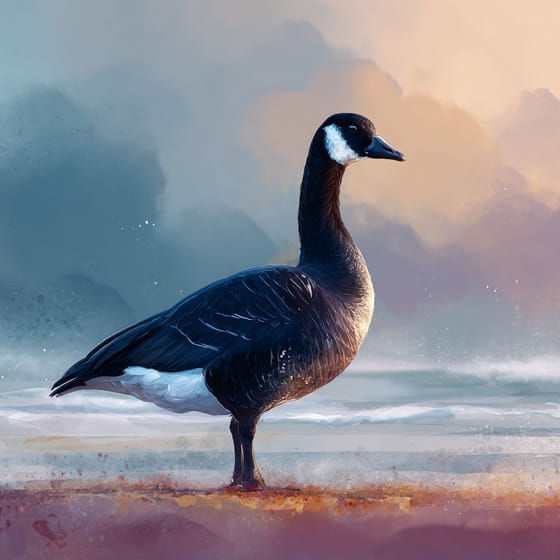





Brent Goose
Branta bernicla
The Brent Goose is a small goose that has a short neck and a dark body! It loves to feed on sea grasses and is often found near the coast.
Habitat: Coastal areas and estuaries
The Brent Goose is a small, dark goose with a black head, neck, and breast. It has a distinctive small white patch on the side of its neck. Its back is dark grey-brown, contrasting with its paler belly.
Category
BirdsRarity
Common
Danger
2/5 · Low
Snaps
70
Brent Geese can filter salt from the water they drink, thanks to special glands!
During winter, these geese can strip coastal mudflats bare of their favorite foods.
Sometimes, they nest close to Arctic fox dens, hoping the foxes scare away gulls!
They fly thousands of kilometers from the Arctic to their winter feeding grounds.
Brent Geese have special glands that help them filter salt from ocean water, allowing them to drink safely.
The Brent Goose can fly thousands of kilometers, navigating precisely from Arctic breeding grounds to warmer coasts.
Brent Geese have strong bills perfect for pulling up tough seagrasses and other coastal plants to eat.
Brent Geese primarily graze on coastal plants like seagrass and algae, especially during winter.
Age differences: Goslings eat more insects for protein when young, then switch to an adult plant-based diet.

Zostera marina
A primary food source
Ulva lactuca
A common dietary item
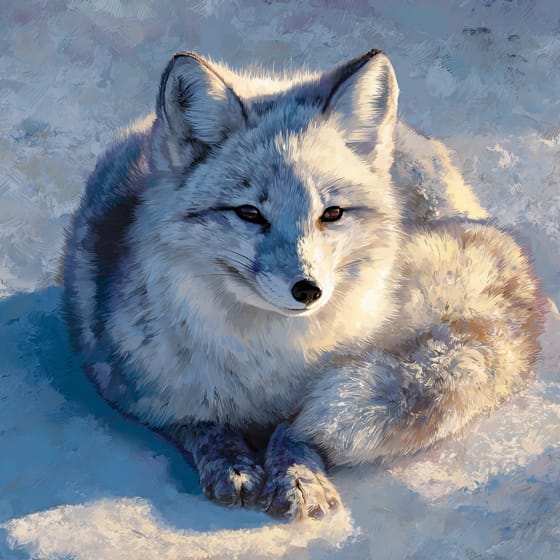
Vulpes lagopus
Preys on eggs and goslings
Stercorarius parasiticus
Preys on eggs and goslings
Feathered describes animals, primarily birds, possessing a covering of feathers.
Characterized by having toes connected by a membrane, typically aiding in swimming.
Social animals live in organized groups, cooperating for survival benefits such as foraging, defense, and raising offspring.
This trait characterizes organisms whose diet consists entirely or primarily of plant material.

This habitat trait identifies species found in wetlands, which are areas of land saturated with water, either permanently or seasonally, including marshes, swamps, and bogs.

Coastal habitats are dynamic environments located along the interface between land and sea, influenced by tides, waves, and saltwater.

Aquatic habitats encompass environments where organisms live predominantly in water, including oceans, rivers, lakes, and wetlands.

Migratory animals undertake seasonal movements from one region to another, typically in response to changes in climate or food availability.
Danger
2/5 · Low
Watch quietly from a distance and never try to feed or chase wild animals.
The easiest way to identify Brent Goose is to use the Snappit nature identifier app.
55-62 cm
106-121 cm
0.8-2.2 kg
10-15 years
80 km/h
Brent Geese primarily graze on coastal plants like seagrass and algae, especially during winter.
Coastal areas and estuaries
Zoom in to split clusters and explore where this object has been snapped.

California, US
You might spot Snowy Egret, Great Blue Heron, and Willet.
View guide →

Connecticut, US
You might spot Osprey, Monarch, and Common Reed.
View guide →

New York, US
You might spot Common Mugwort, Lesser Celandine, and White Snakeroot.
View guide →

New York, US
You might spot Osprey, Diamondback Terrapin, and Clapper Rail.
View guide →

Nouvelle-Aquitaine, FR
You might spot Greater Flamingo, Giraffes, and Red Panda.
View guide →

California, US
You might spot Sea Otter, Octopus, and Northern Sea Nettle.
View guide →
Take the discovery with you
Snap it with Snappit to identify it, learn what makes it special, and add the discovery to your collection.




.jpg&width=800)








