





Jerusalem Artichoke
helianthus tuberosus
The Jerusalem artichoke is a tall plant with bright yellow flowers that look like little suns! Its underground tubers are tasty and can be eaten like potatoes.
Habitat: They thrive in gardens, fields, and along roadsides in many parts of North America.
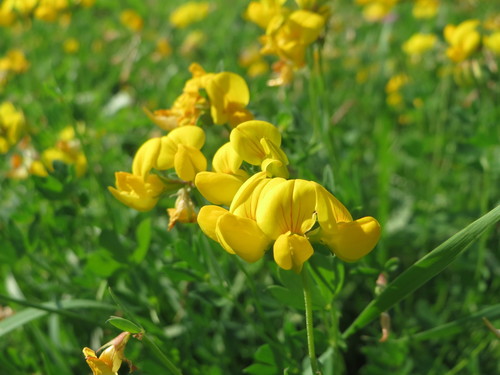
The Jerusalem Artichoke is a tall, sturdy plant with rough, hairy stems and leaves. It has bright yellow, daisy-like flowers that resemble small sunflowers, typically blooming atop its lofty stalks in late summer and fall. These cheerful blooms stand out against its green foliage.
Category
PlantsRarity
Common
Danger
0/5 · No known danger
Snaps
Be the first to snap!
Indigenous peoples of North America cultivated these plants for centuries as a vital food source.
Its crunchy tubers taste like water chestnuts with a nutty, sweet twist!
Sometimes called 'sunchokes,' these tubers can be stored for months in cool, dark places.
The special sugar in its tubers doesn't spike blood sugar like many other carbohydrates!
Jerusalem Artichoke stores energy in underground tubers, which helps it survive winter and regrow each spring.
Jerusalem Artichoke can quickly establish itself and spread aggressively via its underground rhizomes, outcompeting other plants.
Jerusalem Artichoke produces inulin, a unique sugar in its tubers that acts as a prebiotic, helping its own energy storage.
Apis mellifera
Gathers nectar and pollen

Bombus impatiens
Visits flowers for nectar

Odocoileus virginianus
Browses on foliage and tubers
Microtus pennsylvanicus
Feeds on underground tubers
Social animals live in organized groups, cooperating for survival benefits such as foraging, defense, and raising offspring.
Colorful describes organisms or objects displaying a wide range of bright and distinct colors.
This trait characterizes organisms whose diet consists entirely or primarily of plant material.
Forest habitats are terrestrial environments dominated by dense tree cover, supporting a high diversity of plant and animal life.

Describes organisms that transfer pollen, enabling the fertilization and reproduction of plants.
Danger
0/5 · No known danger
No special safety notes yet.
The easiest way to identify Jerusalem Artichoke is to use the Snappit nature identifier app.
150-300 cm
50-100 cm
5-10 cm
Late_summer, Fall
Yes
None
Perennial
Zoom in to split clusters and explore where this object has been snapped.
Recent snaps will appear here as new observations are added.
Take the discovery with you
Snap it with Snappit to identify it, learn what makes it special, and add the discovery to your collection.








.jpg&width=800)



_001.jpg&width=800)




