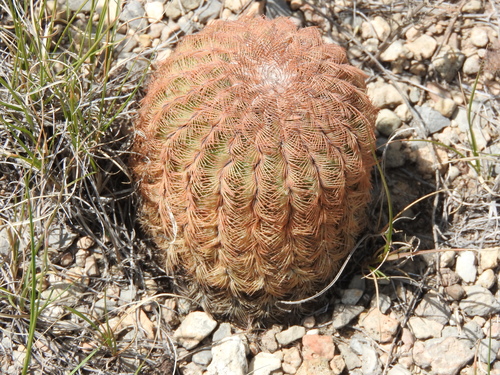


Lace Hedgehog Cactus
echinocereus reichenbachii
The Lace Hedgehog Cactus (Echinocereus reichenbachii) is a small, stunningly beautiful solitary or clump-forming cactus prized for its intricate, lace-like spine patterns and spectacular floral displays. Reaching heights of up to thirty centimeters, this plant is characterized by its cylindrical stem completely wrapped in neat, comb-like arrays of spines that overlap to form a protective mesh. During late spring, it transforms into one of the desert's most magnificent sights as large, paper-thin, magenta-to-pink blossoms burst open from the crown of the stem, often dwarfing the plant itself. Endearing to botanists and gardeners alike, this species is incredibly resilient, possessing a remarkable ability to survive freezing temperatures and prolonged periods of drought. Native to the grasslands and rocky terrains of the southern United States and northern Mexico, it serves as a vital resource for local pollinators and stands as a classic symbol of the rugged, unexpected beauty of arid landscapes.
Habitat: Thrives in rocky, gravelly limestone soils, desert grasslands, and open juniper woodlands across the southern Great Plains and Chihuahuan Desert.
This small cactus features a cylindrical or globose stem, typically 7 to 30 centimeters tall and up to 10 centimeters wide. The stem is covered in 10 to 19 ribs, which are densely lined with neatly arranged, pectinate (comb-like) spines that curve back slightly to hug the plant, creating a delicate, lace-like appearance. The spines vary in color from pure white and cream to yellow, pink, or reddish-brown. In late spring and early summer, it produces large, cup-shaped flowers that are 5 to 12 centimeters in diameter, featuring vibrant pink to deep magenta petals surrounding a yellowish-green center with dozens of yellow stamens.
Category
PlantsRarity
Common
Danger
1/5 · Very low
Snaps
8
Despite its desert origins, this cactus can comfortably survive in outdoor winter gardens where temperatures plunge well below zero.
Its large, vibrant flowers only open fully on warm, sunny days, closing tightly at dusk or on cloudy days to protect its pollen.
The dense, comb-like spines function so efficiently as a physical barrier that they can protect the soft inner flesh of the plant from being eaten by most desert herbivores.
The dense, overlapping comb-like spines act as miniature sunshades, reflecting intense solar radiation and breaking up harsh desert winds to reduce moisture loss.
It can withstand temperatures droping to -20°C (-4°F) by dehydrating its own tissues, preventing freezing water from rupturing its cell walls.
It utilizes Crassulacean Acid Metabolism, opening its pores only at night to absorb carbon dioxide and storing it to perform photosynthesis during the day without losing vital water.
Like most plants, it is a photoautotroph that generates its own chemical energy using sunlight, water, and carbon dioxide through CAM photosynthesis.
Diadasia rinconis
The native cactus bee visits the flowers for pollen and nectar, serving as a primary pollinator.
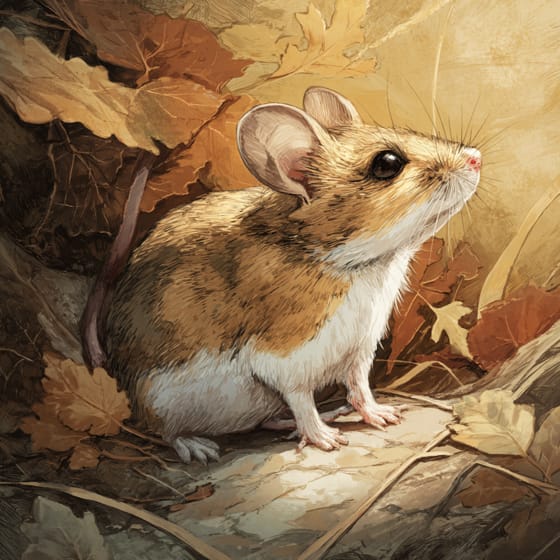
Peromyscus maniculatus
Deer mice feed on the nutritious seeds produced in the fleshy, greenish fruits of the cactus.
Pogonomyrmex barbatus
Provides critical structure and microhabitats for native ants nesting beneath its roots.
No trait badges are assigned for this object yet.
No aliases listed yet.
Collections for this object will appear here as more themes are added.
Danger
1/5 · Very low
No special safety notes yet.
The easiest way to identify Lace Hedgehog Cactus is to use the Snappit nature identifier app.
7-30 cm
0.1-1.5 kg
10-50 years
Like most plants, it is a photoautotroph that generates its own chemical energy using sunlight, water, and carbon dioxide through CAM photosynthesis.
Thrives in rocky, gravelly limestone soils, desert grasslands, and open juniper woodlands across the southern Great Plains and Chihuahuan Desert.
Zoom in to split clusters and explore where this object has been snapped.

Oklahoma, US
You might spot Lace Hedgehog Cactus and Star Cloak Fern.
View guide →

Texas, US
You might spot Question Mark, Buttonbush, and Pomegranate.
View guide →

Texas, US
You might spot Christmas Cholla, Dakota Mock Vervain, and Honey Mesquite.
View guide →

Texas, US
You might spot Antelopehorn Milkweed and Lindheimer's Senna.
View guide →

Oklahoma, US
You might spot American Bison, Prairie Dog, and Eastern Collared Lizard.
View guide →

Texas, US
You might spot Mexican Buckeye, Agarita, and Monarch.
View guide →
Take the discovery with you
Snap it with Snappit to identify it, learn what makes it special, and add the discovery to your collection.











.jpg&width=800)



_001.jpg&width=800)




