




Red Tailed Hawk

Explore Thurber, a captivating Texas ghost town steeped in a rich industrial past.
Explore Thurber, a captivating Texas ghost town steeped in a rich industrial past. Once a bustling company town, Thurber was a powerhouse of coal mining and brick manufacturing, boasting a population of over 10,000 residents from numerous nationalities at its peak. Today, this historic site invites visitors to step back in time and uncover the fascinating story of its rise and fall, preserving the legacy of a unique era in Texas history.
Wander through the remnants of a vibrant community, where key landmarks tell tales of innovation, labor, and perseverance. The towering Thurber Smokestack stands as an enduring symbol of its industrial might, while the W.K. Gordon Center for Industrial History of Texas offers immersive exhibits detailing daily life and industry. Visitors can explore the restored St. Barbara's Catholic Church and a furnished coal miner's house, offering intimate glimpses into the lives of those who built this remarkable town.
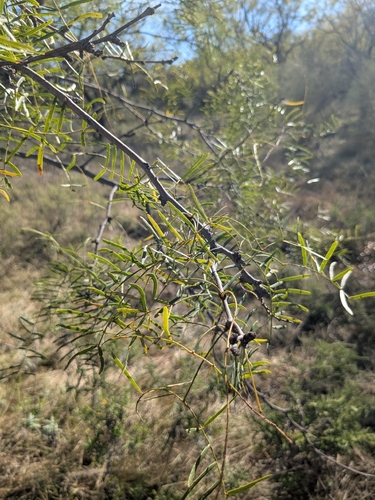
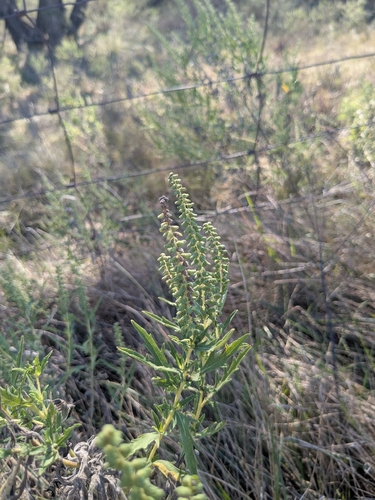
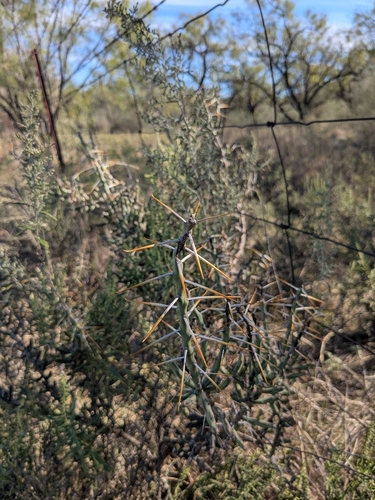
Thurber provides a unique and educational travel experience, making it a must-visit for history enthusiasts, photographers, and anyone intrigued by the untold stories of Texas. Its preserved structures, informative museum, and serene, contemplative atmosphere offer a profound connection to the past, ensuring a memorable journey through a pivotal chapter of the Lone Star State's industrial heritage. Be ready to snap and learn! Get the Snappit app to identify any nature species you find here.
Thurber's story began in 1886 with the discovery of coal, leading to the establishment of a coal mining camp. The Texas and Pacific Coal Company acquired the operations in 1888, transforming it into a meticulously planned company town. By the early 20th century, Thurber was the largest company town in Texas and one of the largest producers of bituminous coal in the state, supplying fuel for numerous railroads. The town attracted a diverse workforce from over a dozen nationalities, including large numbers of Italians, Poles, and Mexicans. In 1897, a brick plant was added, utilizing the area's abundant shale to produce high-quality paving bricks that were used in streets across Texas, including Austin's Congress Avenue and the Galveston seawall. Notably, Thurber became the first totally closed-shop, 100% unionized town in the country following a strike in 1903, marking a significant moment in the labor movement. Thurber's prosperity began to wane with the advent of oil. In 1917, W.K. Gordon, an executive with the Texas and Pacific Coal Company, played a key role in the discovery of the Ranger oil field, just miles away. Ironically, as locomotives converted from coal to oil, the demand for Thurber's coal plummeted. The coal mines closed in 1926, followed by the brick plant in 1931, leading to a rapid decline in population. By the late 1930s, Thurber had become a virtual ghost town, with most of its buildings dismantled or removed. Today, the remaining landmarks and the W.K. Gordon Center preserve its rich industrial and social history.
Begin your visit at the W.K. Gordon Center to gain a comprehensive understanding of Thurber's history through its exhibits, artifacts, and historical photographs.
* Marvel at the imposing Thurber Smokestack, a remnant of the town's electrical plant, visible from Interstate 20.
* Explore the Thurber Historical Association Park, which features the relocated and restored St. Barbara's Catholic Church and a miner's residence.
* Visit the Thurber Cemetery, which offers a poignant look into the diverse community that once thrived here, with sections for different nationalities and many unmarked graves.
* Walk around the site to discover historical markers and foundations of former buildings, imagining the bustling town that once stood.
* Consider dining at the Smokestack Restaurant, housed in the old mercantile building, or the New York Hill Restaurant, located on the historic site of the town's Episcopal Church.
Summer can be very hot, so bring water and sunscreen. Winters are generally mild. The Thurber Historical Association holds a yearly reunion, usually on the second Saturday in June, which might offer additional insights and activities.
Thurber is easily accessible by car, with parking available near key landmarks. The W.K. Gordon Center is a modern museum facility and likely offers good accessibility. Outdoor historical sites may involve walking on uneven terrain or grassy areas.
The iconic Thurber Smokestack, the interactive exhibits at the W.K. Gordon Center for Industrial History of Texas, the restored St. Barbara's Catholic Church, and the preserved coal miner's house.
Each card links to a full Explore page with photos, traits, and fun facts.
Start with the big picture, then zoom in to explore individual wildlife observations around this place.
Wear comfortable walking shoes
You'll be walking around historical sites and potentially uneven terrain.
Bring water, especially in summer
Texas summers can be intensely hot, so stay hydrated.
Start at the W.K. Gordon Center
The museum provides excellent context and historical background that will enhance your understanding of the outdoor sites.
Allow ample time
Don't rush your visit; dedicate enough time to both the museum and exploring the outdoor remnants of the town.
Bring a camera
Thurber offers many photogenic historical structures and scenic views, particularly the smokestack and cemetery.
Consider combining with a meal
Dining at one of the local restaurants, such as the Smokestack Restaurant, provides an opportunity to experience a piece of Thurber's preserved history.
Nov 25, 2025
Photo attribution
(c) Jacob Saucier, some rights reserved (CC BY)
License: CC BY 4.0 ↗
Image may be shown cropped inside the card frame.
Nov 25, 2025
Photo attribution
(c) Jacob Saucier, some rights reserved (CC BY)
License: CC BY 4.0 ↗
Image may be shown cropped inside the card frame.
Nov 25, 2025
Photo attribution
(c) Jacob Saucier, some rights reserved (CC BY)
License: CC BY 4.0 ↗
Image may be shown cropped inside the card frame.
Jun 9, 2026
Jun 9, 2026

Maryland, US
You might spot White-Tailed Deer and Eastern Gray Squirrel.
View guide →
.jpg)
District of Columbia, US
You might spot Eastern Gray Squirrel, Duck, and House Sparrow.
View guide →

Illinois, US
You might spot American Robin, Canada Goose, and House Sparrow.
View guide →

Virginia, US
You might spot Spotted Lanternfly and Northern Cardinal.
View guide →
Take the discovery with you
Identify the wildlife you spot, learn as you go, and keep a collection of the adventure.