





Light Brown Apple Moth
Epiphyas postvittana
The Light Brown Apple Moth is a small, colorful insect that loves to munch on apple leaves and fruits. It has beautiful light brown wings with dark spots, making it a special sight in gardens and orchards.
Habitat: Urban areas, Gardens, Orchards
The Light Brown Apple Moth is small with mottled light brown forewings often having darker markings like a faint 'V' shape. Its hindwings are plain grey. This gives it a camouflaged, leaf-like appearance that helps it blend in.
Category
InsectsRarity
Common
Danger
1/5 · Very low
Snaps
Be the first to snap!
Despite its name, it can infest more than just apple trees!
Female moths can store sperm, using it to fertilize eggs later!
Its caterpillars can make silk threads to drop down from leaves!
This moth is a famous pest on over 250 kinds of plants!
Light Brown Apple Moth larvae can roll leaves into shelters that helps them hide from hungry birds.
Light Brown Apple Moth can lay hundreds of eggs which helps it survive despite predators.
Light Brown Apple Moth larvae can eat many different plants, helping them find food easily.
Caterpillars munch on leaves, flowers, and fruits of many plants, but adults don't eat.
Age differences: Larvae feed extensively on plants, but adult moths do not feed, relying on energy stored from the larval stage.
Turdus merula
Larvae and adult moths are prey.
Trichogramma platneri
Wasp larvae develop inside moth eggs.
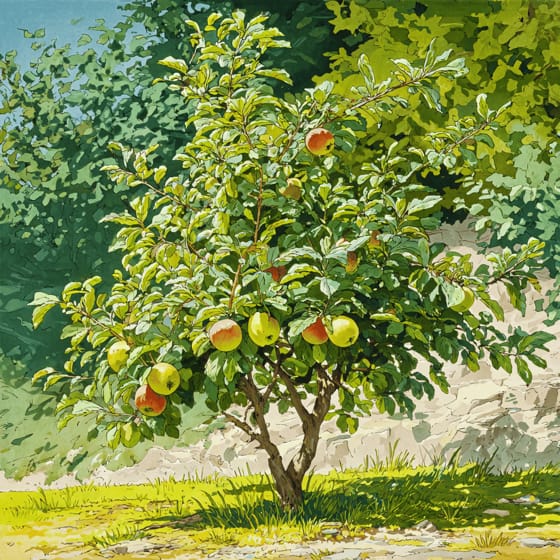
Malus domestica
Larvae feed on leaves and fruit.
Vitis vinifera
Larvae feed on grape leaves.
Marked with spots or patches of a different color.
Solitary animals live alone for most of their lives, only interacting with others for mating or parental care.
Colorful describes organisms or objects displaying a wide range of bright and distinct colors.
This trait characterizes organisms whose diet consists entirely or primarily of plant material.

Describes organisms that break down dead organic material, recycling nutrients back into the ecosystem.

This habitat trait indicates species that can coexist with humans in urban and suburban environments, utilizing man-made structures and green spaces.

Nocturnal animals are primarily active during the nighttime hours, typically resting or sleeping during the day.

Describes organisms that transfer pollen, enabling the fertilization and reproduction of plants.
No aliases listed yet.
Danger
1/5 · Very low
Don't touch moths or caterpillars, as some can be delicate or might not like to be handled.
The easiest way to identify Light Brown Apple Moth is to use the Snappit nature identifier app.
18-25 mm
7-10 mm
7-21 days
Caterpillars munch on leaves, flowers, and fruits of many plants, but adults don't eat.
Urban areas, Gardens, Orchards
Foraging
6
Zoom in to split clusters and explore where this object has been snapped.
Recent snaps will appear here as new observations are added.
Take the discovery with you
Snap it with Snappit to identify it, learn what makes it special, and add the discovery to your collection.








.jpg&width=800)



