





long-nosed potoroo
Potorous tridactylus
The long-nosed potoroo is a small, shy marsupial with a long nose and big ears. They love to dig in the ground to find tasty snacks like fungi and insects!
Habitat: Forests
The long-nosed potoroo is a small, rat-like marsupial with dense grey-brown fur. It has a distinctive long, pointed snout and relatively short front legs compared to its strong, hopping hind legs and long tail. This gives it a unique appearance, like a blend of a large rat and a tiny kangaroo.
Category
MammalsRarity
Rare
Danger
1/5 · Very low
Snaps
Be the first to snap!
Baby potoroos, called joeys, grow big and strong inside their mother's cozy pouch!
Potoroo moms can pause a pregnancy until conditions are just perfect for their joey!
These tiny marsupials are like forest gardeners, helping truffle fungi spread their spores!
They are ancient 'rat-kangaroos', among the oldest marsupials in Australia!
The long-nosed potoroo can sniff out yummy fungi underground because of their unique, sensitive long nose.
The long-nosed potoroo can dig quickly to find food and shelter thanks to their strong claws and forelimbs.
The long-nosed potoroo has large, dark eyes that help them navigate and find food in the dark because they are nocturnal.
These small marsupials mainly eat fungi and roots they dig up with their long noses.
Hymenogaster decorus
Spreads spores of these underground fungi, helping them grow.
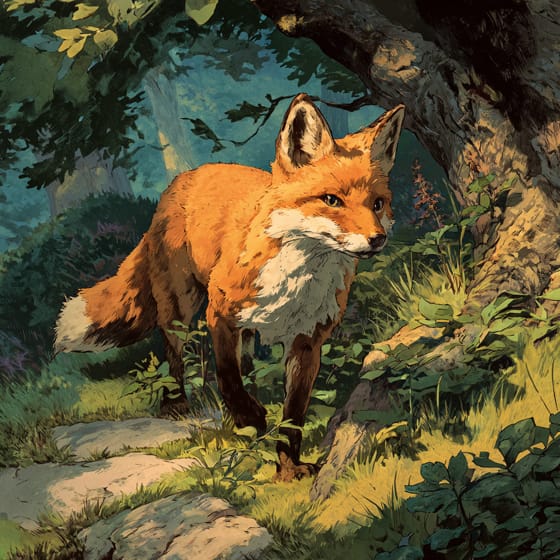
Vulpes vulpes
An introduced predator that hunts potoroos, severely threatening populations.
Felis catus
Another introduced predator, feral cats prey on potoroos in their habitat.
Furry describes animals possessing a dense covering of soft hair or fur.
Solitary animals live alone for most of their lives, only interacting with others for mating or parental care.
This trait identifies organisms whose diet primarily consists of insects and other small invertebrates.
Forest habitats are terrestrial environments dominated by dense tree cover, supporting a high diversity of plant and animal life.

Nocturnal animals are primarily active during the nighttime hours, typically resting or sleeping during the day.

Endangered status indicates a species is at a very high risk of extinction in the wild in the near future.
No aliases listed yet.
Danger
1/5 · Very low
If you see a wild animal, it's best to watch from a distance and not try to touch it.
The easiest way to identify long-nosed potoroo is to use the Snappit nature identifier app.
34-40 cm
0.8-1.3 kg
4-6 years
25 km/h
These small marsupials mainly eat fungi and roots they dig up with their long noses.
Forests
Foraging
Zoom in to split clusters and explore where this object has been snapped.
Recent snaps will appear here as new observations are added.
Take the discovery with you
Snap it with Snappit to identify it, learn what makes it special, and add the discovery to your collection.




.jpg&width=800)



.JPG&width=800)



.jpg&width=800)
