





Southern Short-tailed Shrew
Blarina carolinensis
The Southern Short-tailed Shrew is a tiny mammal with a long nose and sharp teeth. It lives in forests and grasslands, hunting insects and worms for food.
Habitat: Forests, Grasslands
The Southern Short-tailed Shrew has velvety, dark grey fur that sometimes appears brownish, a tiny, barely visible tail, and a long, pointed snout. Its eyes are very small and hidden, making it look distinct from a mouse or vole.
Category
MammalsRarity
Common
Danger
2/5 · Low
Snaps
1
Southern Short-tailed Shrews are one of the few venomous mammals on Earth!
Their heart can beat over 800 times a minute when they are active!
They need to eat every few hours or they can starve to death!
They produce a musky scent to warn off predators and mark their territory.
Southern Short-tailed Shrew can inject a mild venom with its bite because of specialized glands, helping them subdue larger prey.
Southern Short-tailed Shrew can use high-pitched sounds to 'see' in the dark because of echolocation, helping them find prey.
Southern Short-tailed Shrew can dig extensive tunnels quickly because of their strong front claws, providing shelter and hunting grounds.
These tiny predators feast on insects, worms, and other small creatures found in the soil.
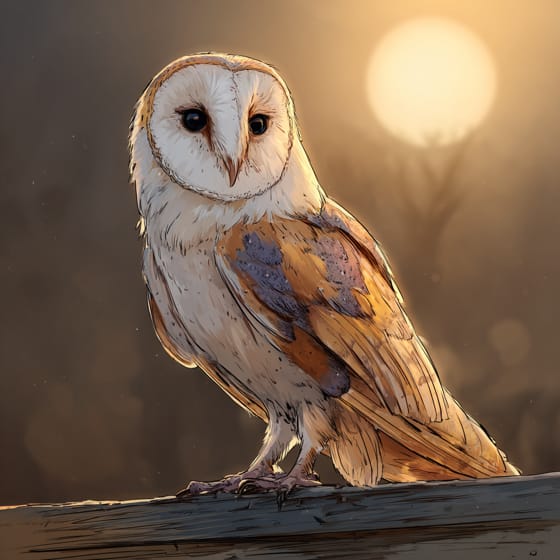
Tyto alba
A common prey item for nocturnal hunters.
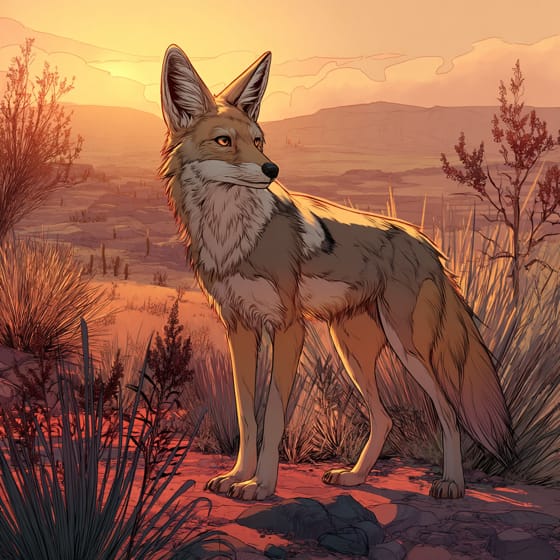
Canis latrans
Larger predators sometimes prey on shrews.
Lumbricus terrestris
A primary food source found in the soil.
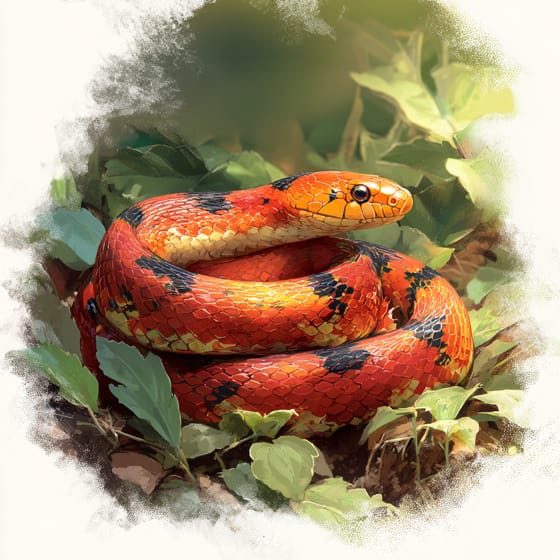
Pantherophis guttatus
Snakes are opportunistic predators of small mammals.
Furry describes animals possessing a dense covering of soft hair or fur.
Burrowing animals dig tunnels and chambers in the ground, using these subterranean structures for shelter, hunting, or breeding.
Grassland habitats are terrestrial biomes dominated by grasses and herbaceous plants, supporting a variety of grazing animals.
This trait identifies organisms whose diet primarily consists of insects and other small invertebrates.

Forest habitats are terrestrial environments dominated by dense tree cover, supporting a high diversity of plant and animal life.
Regenerative organisms possess the ability to regrow lost or damaged body parts, tissues, or organs.

Nocturnal animals are primarily active during the nighttime hours, typically resting or sleeping during the day.

Venomous organisms produce toxins that are injected into another animal, typically through a bite or sting.
Danger
2/5 · Low
Avoid handling wild shrews as they can bite when scared. Admire them from a safe distance.
The easiest way to identify Southern Short-tailed Shrew is to use the Snappit nature identifier app.
7-10 cm
0.01-0.03 kg
1-2 years
8 km/h
These tiny predators feast on insects, worms, and other small creatures found in the soil.
Forests, Grasslands
Foraging
Zoom in to split clusters and explore where this object has been snapped.
Take the discovery with you
Snap it with Snappit to identify it, learn what makes it special, and add the discovery to your collection.






.jpg&width=800)


.JPG&width=800)

.jpg&width=800)
