




Maitake
Grifola
Maitake mushrooms, also known as 'hen of the woods', grow in clusters at the base of trees. They have a unique appearance with overlapping brownish caps and are prized for their delicious taste in cooking.
Habitat: Forests
The Maitake has wavy, fan-shaped caps that layer in dense, overlapping clusters, resembling a frilly, leafy bush. Its caps range from grayish-brown to tan, often with paler edges, and are supported by a thick, branching white stalk. This distinctive, cauliflower-like appearance makes it easily recognizable.
Category
FungiRarity
Rare
Danger
2/5 · Low
Snaps
Be the first to snap!
Giant clusters of Maitake can weigh over 100 pounds, making them true forest giants!
In Japan, its name means "dancing mushroom" because people danced with joy upon finding it!
Its hidden root-like system can live for decades, allowing it to reappear in the same spot yearly!
Maitake's wavy caps are shaped like layered fans, giving it a unique, bushy appearance!
Maitake has compounds that can activate immune cells, helping the body fight off invaders.
Maitake can break down dead hardwood trees, returning vital nutrients to the forest soil.
Maitake has a deep, perennial mycelial network that allows it to fruit from the same spot year after year.
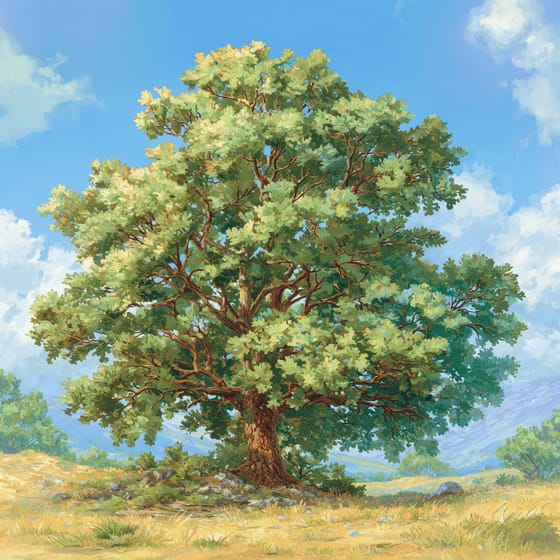
Quercus alba
Maitake often grows at the base of old or dying white oak trees.
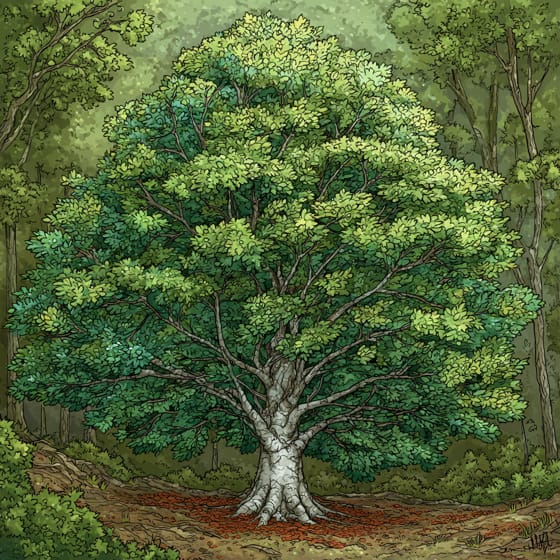
Fagus grandifolia
Can be found decomposing the roots and stumps of American beech trees.
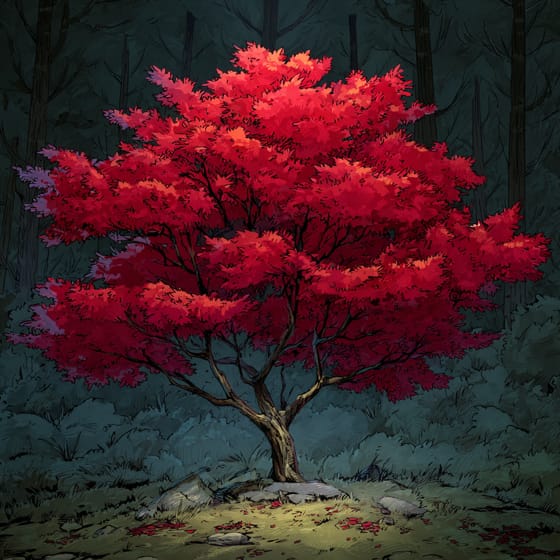
Acer rubrum
Utilizes the wood of red maple trees as a food source for growth.
Medicinal plants possess chemical compounds that can be used for therapeutic purposes to treat illnesses or maintain health.
Spore-producing organisms reproduce by releasing small, often single-celled, reproductive units called spores.
Edible plants are those parts of a plant that are considered safe for human consumption.
This trait refers to fungal species that are safe for human consumption when properly identified and prepared.

Forest habitats are terrestrial environments dominated by dense tree cover, supporting a high diversity of plant and animal life.
Danger
2/5 · Low
Never eat mushrooms found in the wild unless an adult who knows about mushrooms says it's safe.
The easiest way to identify Maitake is to use the Snappit nature identifier app.
10-40 cm
edible
10-60 cm
Forests
wood
Fall
White
Zoom in to split clusters and explore where this object has been snapped.
Recent snaps will appear here as new observations are added.
Take the discovery with you
Snap it with Snappit to identify it, learn what makes it special, and add the discovery to your collection.














