_quadripunctata.jpg&width=800)





Melanthaxia
Melanthaxia
Melanthaxia is a special kind of insect that loves to hide in flowers and plants. They are small and colorful, making them fun to spot in nature!
Habitat: Forests
The Melanthaxia is a medium-sized darkling beetle, typically appearing glossy black or very dark brown. It has a robust, oval-shaped body and hardened wing covers that protect its delicate flight wings, giving it a sleek, armor-like appearance.
Category
InsectsRarity
Common
Danger
1/5 · Very low
Snaps
Be the first to snap!
Many Melanthaxia spend most of their lives as grubs underground before becoming adult beetles!
Melanthaxia often pretends to be dead to trick predators, staying perfectly still until danger passes!
Some Melanthaxia can survive for months without drinking, getting all water from their food!
They use their antennae to 'smell' and 'feel' their way around, even finding tiny food scraps!
Melanthaxia has a tough, armor-like exoskeleton that helps them resist attacks from predators and survive bumps and scrapes.
Melanthaxia can release stinky chemicals when threatened because of special glands that helps them deter hungry attackers.
Melanthaxia can find its way in the dark because of specialized senses that help them search for food and mates at night.
Melanthaxia beetles are omnivores, munching on decaying plants, fungi, and sometimes tiny insects.
Age differences: Larvae mostly eat decaying plant material, while adults have a slightly broader diet including fungi and seeds.
Turdus merula
Common garden bird that preys on ground-dwelling insects.
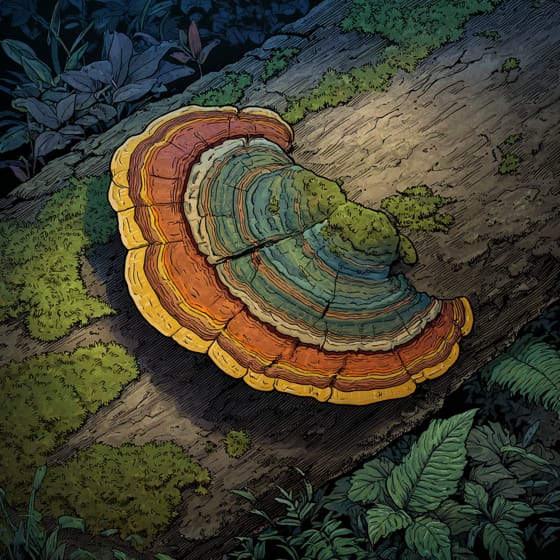
Trametes versicolor
Feeds on various fungi found on decaying wood.
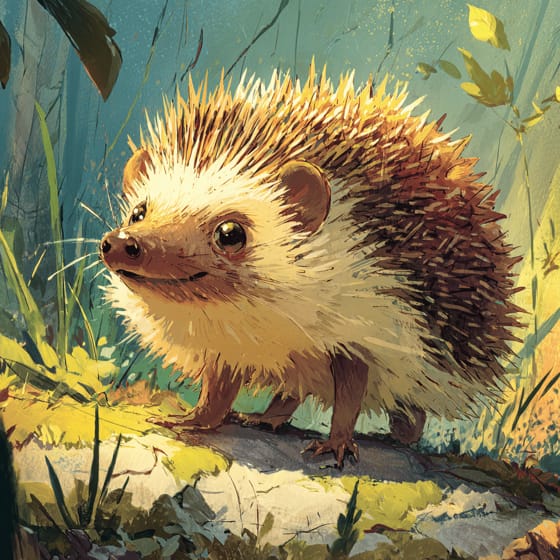
Erinaceus europaeus
Nocturnal mammal that forages for insects on the ground.
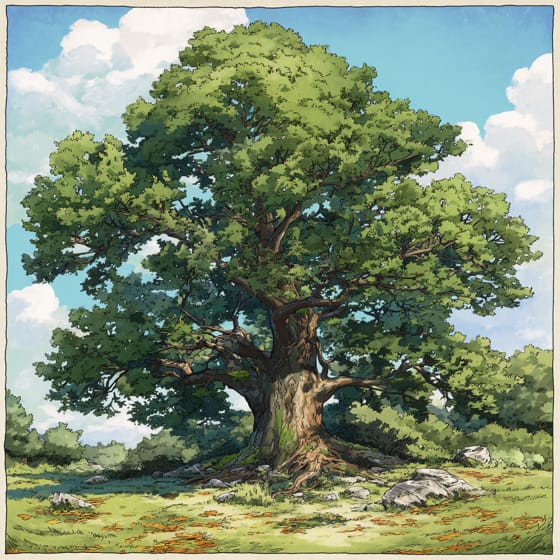
Quercus robur
Relies on fallen leaves for food and shelter during decomposition.
Solitary animals live alone for most of their lives, only interacting with others for mating or parental care.
Camouflaged describes organisms that possess coloring or patterns that allow them to blend into their environment.
Colorful describes organisms or objects displaying a wide range of bright and distinct colors.
This trait characterizes organisms whose diet consists entirely or primarily of plant material.

Describes plants that are particularly attractive and beneficial to a wide range of pollinating organisms.

Forest habitats are terrestrial environments dominated by dense tree cover, supporting a high diversity of plant and animal life.

Diurnal animals are primarily active during daylight hours, typically resting or sleeping at night.

Pertaining to species that are significantly smaller than typical or average for their kind.

Describes organisms that transfer pollen, enabling the fertilization and reproduction of plants.
No aliases listed yet.
Danger
1/5 · Very low
Always look but don't touch insects unless you know they are safe.
The easiest way to identify Melanthaxia is to use the Snappit nature identifier app.
15-30 mm
8-15 mm
30-180 days
8 km/h
Melanthaxia beetles are omnivores, munching on decaying plants, fungi, and sometimes tiny insects.
Forests
Foraging
Zoom in to split clusters and explore where this object has been snapped.
Recent snaps will appear here as new observations are added.
Take the discovery with you
Snap it with Snappit to identify it, learn what makes it special, and add the discovery to your collection.







.jpg&width=800)


