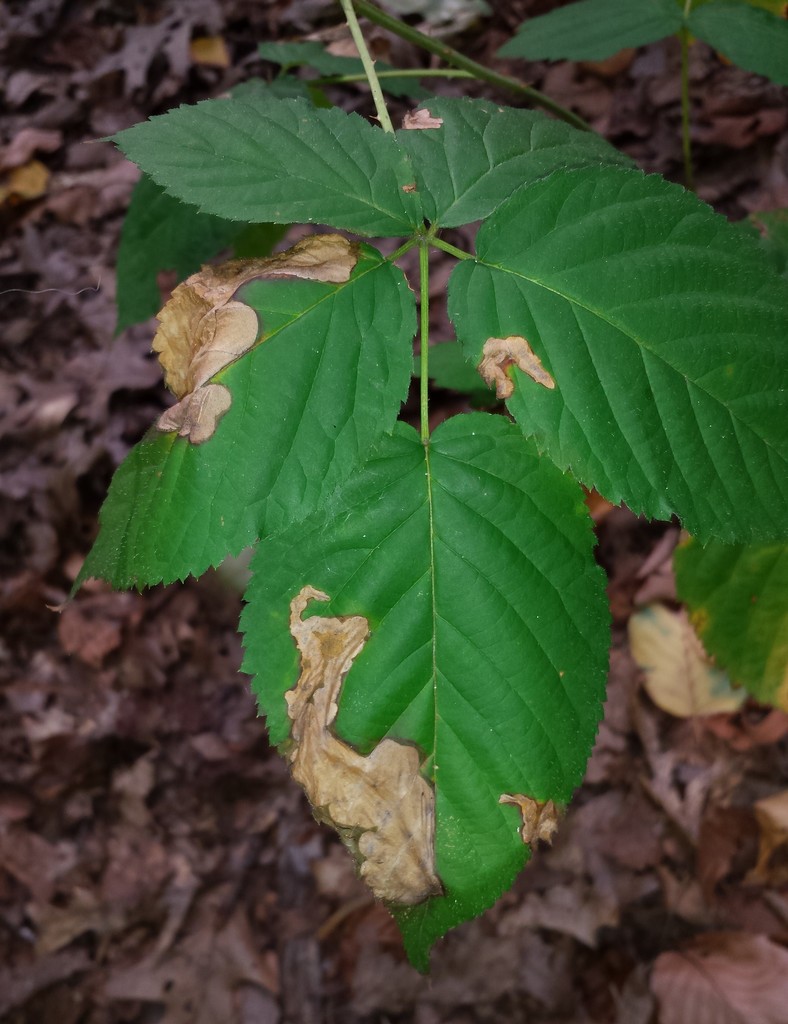





Metallus rohweri
Metallus rohweri
Metallus rohweri is a unique bug that loves to hide in the leaves. It has shiny colors that help it blend in with its surroundings, making it a special little critter to discover in nature.
Habitat: Forests
The Metallus rohweri is a small, stout-bodied sawfly, typically black or dark brown with some yellowish or pale markings on its legs and antennae. Its wings are clear with distinct venation, making it visually different from true flies which have only two wings.
Category
InsectsRarity
Common
Danger
1/5 · Very low
Snaps
Be the first to snap!
Despite its name, the sawfly is not a true fly, but actually a relative of bees and wasps!
Sawfly larvae are amazing leaf architects, creating tiny tunnels inside leaves to eat!
Sawfly larvae often look like caterpillars, but they have more tummy legs than butterflies!
The adult female has a special saw-like egg layer, giving these insects their unique name!
Metallus rohweri larvae can tunnel inside leaves, protected from predators, munching on soft plant tissue.
Metallus rohweri undergoes complete metamorphosis, allowing them to change from a leaf-mining larva to a flying adult.
As larvae, this insect eats tunnels into plant leaves; adults may sip nectar or not feed much.
Age differences: Larvae are leaf miners, feeding on the internal tissues of Rubus leaves. Adults are short-lived and may not feed, or they may consume nectar and pollen.

Rubus allegheniensis
Larvae mine leaves for food.

Passer domesticus
Birds prey on larvae and adults.
Lathrolestes metalli
Larvae are hosts for this tiny wasp.
Solitary animals live alone for most of their lives, only interacting with others for mating or parental care.
Camouflaged describes organisms that possess coloring or patterns that allow them to blend into their environment.
Colorful describes organisms or objects displaying a wide range of bright and distinct colors.
This trait characterizes organisms whose diet consists entirely or primarily of plant material.
Forest habitats are terrestrial environments dominated by dense tree cover, supporting a high diversity of plant and animal life.
Diurnal animals are primarily active during daylight hours, typically resting or sleeping at night.
Describes organisms that transfer pollen, enabling the fertilization and reproduction of plants.
No aliases listed yet.
Danger
1/5 · Very low
Always look but don't touch insects unless you're sure they're safe!
Look for six legs, antennae, three body sections and the shape of the wings. Beetles have hardened front wings; flies have just one working pair. Tiny insects may need a close view before their group is clear. Insect Identifier: upload a photo and compare the visible details.
10-16 mm
4-8 mm
7-20 days
5 km/h
As larvae, this insect eats tunnels into plant leaves; adults may sip nectar or not feed much.
Forests
Grazing
Zoom in to split clusters and explore where this object has been snapped.
Recent snaps will appear here as new observations are added.
Take the discovery with you
Snap it with Snappit to identify it, learn what makes it special, and add the discovery to your collection.