.jpg&width=800)





Allegheny blackberry
Rubus allegheniensis
The Allegheny blackberry is a sweet, juicy fruit that grows on thorny bushes. Kids love to pick these berries in the summer and enjoy their delicious taste!
Habitat: Forests
The Allegheny blackberry is a thorny, arching shrub producing clusters of white flowers that mature into glossy, dark purple-black berries. Its large, compound leaves have serrated edges and can develop reddish hues in autumn, distinguishing it from other wild brambles.
Category
PlantsRarity
Common
Danger
1/5 · Very low
Snaps
5
Its flowers provide vital nectar and pollen for many bee species in early summer.
Its juicy berries are a super snack for over 100 different types of wildlife!
The plant's deep roots help prevent soil erosion on hillsides and disturbed land.
Young blackberry shoots are sometimes eaten by people, tasting a bit like asparagus!
Allegheny blackberry has sharp thorns along its stems that help it defend against animals trying to eat its leaves and fruits.
Allegheny blackberry can root its arching stem tips in soil, creating new plants and spreading easily across the ground.
Allegheny blackberry produces sweet, dark berries that attract birds and mammals, who then help scatter its seeds.
Bombus impatiens
collects nectar and pollen from flowers
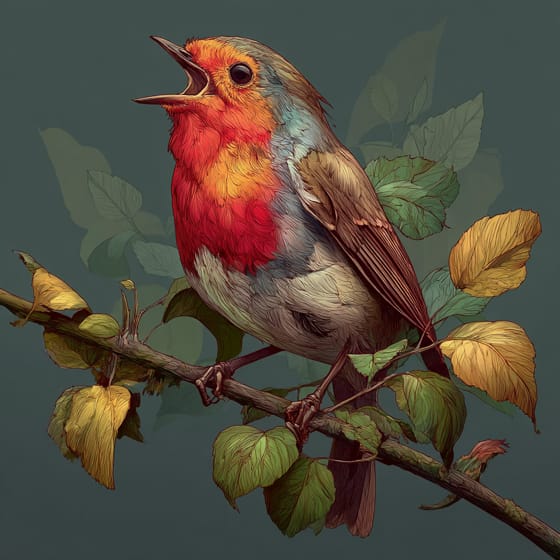
Turdus migratorius
consumes sweet, ripe berries for food
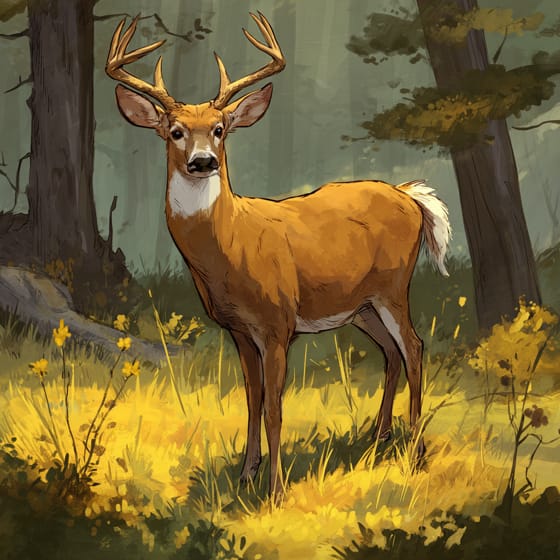
Odocoileus virginianus
browses on young stems and leaves
Didelphis virginiana
forages for ripe fallen berries
Deciduous plants periodically shed all their leaves, typically during autumn or dry seasons.
A shrub is a woody plant smaller than a tree, typically with multiple stems branching from or near the ground.
Summer blooming plants produce their flowers during the summer season, often providing vibrant color when many other plants have finished.
Fruit-bearing plants produce fruits, which are the mature ovaries of flowering plants containing seeds.

Pertaining to plants that have stems covered with sharp, pointed projections for defense.

Edible plants are those parts of a plant that are considered safe for human consumption.

Forest habitats are terrestrial environments dominated by dense tree cover, supporting a high diversity of plant and animal life.
No aliases listed yet.
Danger
1/5 · Very low
Always wash blackberries before eating them to keep your tummy happy!
The easiest way to identify Allegheny blackberry is to use the Snappit nature identifier app.
100-300 cm
100-250 cm
1-2.5 cm
Late spring to early summer
Yes
None
Perennial
Zoom in to split clusters and explore where this object has been snapped.

Maryland, US
You might spot Crane-Fly Orchid, Fragile Forktail, and Ebony Jewelwing.
View guide →

Connecticut, US
You might spot Hobblebush, Pink Lady's Slipper, and Red Trillium.
View guide →

Wisconsin, US
You might spot Sundial Lupine, Canadian Lousewort, and Cream Wild-Indigo.
View guide →

Wisconsin, US
You might spot Polar Bear, Grizzly Bear, and Harbor Seal.
View guide →
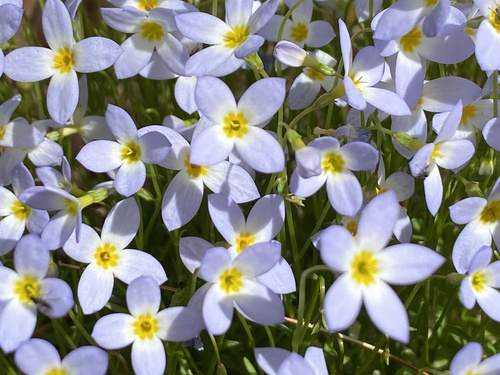
Virginia, US
You might spot Azure Bluet and Allegheny Blackberry.
View guide →

Connecticut, US
You might spot Eastern Gray Squirrel, Red Fox, and Northern Cardinal.
View guide →
Take the discovery with you
Snap it with Snappit to identify it, learn what makes it special, and add the discovery to your collection.







.jpg&width=800)



_001.jpg&width=800)



