





Milky Backswimmers
Notonecta
Milky Backswimmers are small water bugs that love to swim upside down! They have special legs that help them glide through the water, making them fun to watch.
Habitat: Wetlands
The Milky Backswimmers has an elongated, somewhat flattened body, typically pale yellow, greenish, or brownish. Its most distinguishing feature is its milky, frosted-looking back which is its underside when it swims. This pale coloration helps it blend in while swimming upside down.
Category
InsectsRarity
Common
Danger
1/5 · Very low
Snaps
Be the first to snap!
Milky Backswimmers can deliver a painful 'bite' if handled, earning them the nickname 'water bee'!
Their huge eyes let them see almost all around, making it hard for prey to hide!
They can often spend winter frozen solid in ice and then thaw out to live again!
To stay anchored underwater, they cleverly hook onto plants using tiny claws on their legs!
Milky Backswimmers has a silvery air bubble attached to its underside that helps them breathe underwater like a tiny scuba tank.
Milky Backswimmers can swim upside down because their strong hind legs propel them, helping them ambush prey from below.
Milky Backswimmers can paddle swiftly with their long, oar-like hind legs, allowing them to chase prey and escape danger quickly.
Milky Backswimmers can take to the air using strong wings, helping them find new ponds if their current home dries up.
These aquatic predators love to munch on other small creatures swimming in their watery homes!
Culex pipiens
Eats larvae and pupae.
Rana temporaria
Preys on tadpoles.
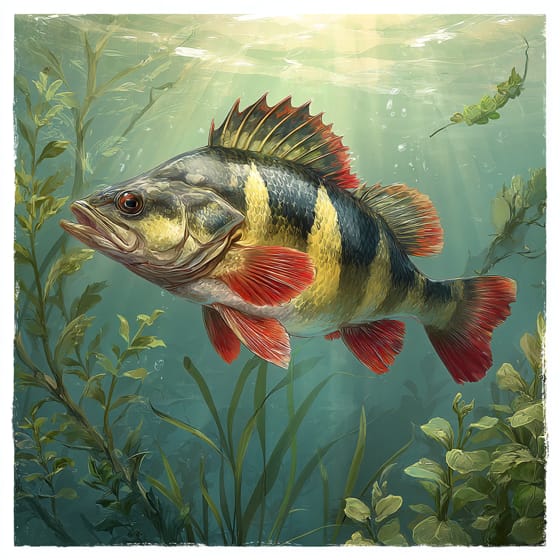
Perca fluviatilis
Eaten by fish.
Anas platyrhynchos
Preyed upon by birds.
Gliding animals move through the air by launching themselves and maintaining flight with specialized body structures, without flapping wings.
This trait identifies organisms whose diet primarily consists of insects and other small invertebrates.
This habitat trait identifies species found in wetlands, which are areas of land saturated with water, either permanently or seasonally, including marshes, swamps, and bogs.
This trait identifies organisms whose diet consists entirely or primarily of animal tissue.

Diurnal animals are primarily active during daylight hours, typically resting or sleeping at night.

Pertaining to species that are significantly smaller than typical or average for their kind.

This trait identifies organisms that exhibit exceptional swiftness in movement for hunting, escape, or travel.

Aquatic habitats encompass environments where organisms live predominantly in water, including oceans, rivers, lakes, and wetlands.
No aliases listed yet.
Danger
1/5 · Very low
Be careful near water! Always stay close to an adult when exploring.
The easiest way to identify Milky Backswimmers is to use the Snappit nature identifier app.
20-40 mm
10-20 mm
90-365 days
7 km/h
These aquatic predators love to munch on other small creatures swimming in their watery homes!
Wetlands
Ambush
Zoom in to split clusters and explore where this object has been snapped.
Recent snaps will appear here as new observations are added.
Take the discovery with you
Snap it with Snappit to identify it, learn what makes it special, and add the discovery to your collection.








.jpg&width=800)




