





Red-banded Leafroller Moth
Argyrotaenia velutinana
The Red-banded Leafroller Moth is a small, colorful moth with beautiful red bands on its wings. It loves to hide in gardens and fields, making it a fun surprise to find!
Habitat: Gardens and fields
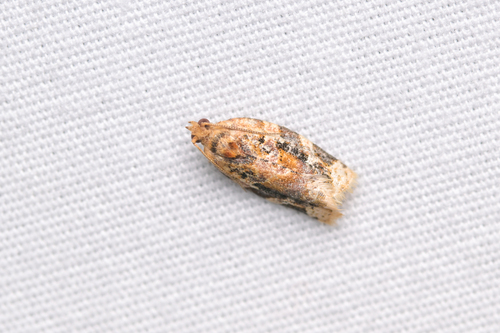
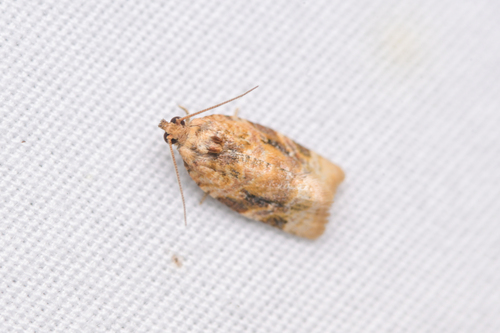
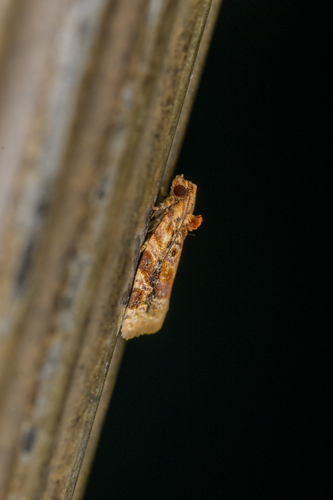
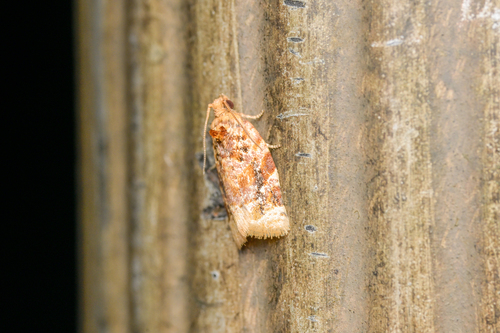
The Red-banded Leafroller Moth is a small, stout-bodied moth with a wingspan of 12-25mm. Its forewings are mottled in shades of reddish-brown, cream, and gray, distinctly marked with a broad, darker reddish-brown band across the middle. The hindwings are dull gray.
Category
InsectsRarity
Common
Danger
1/5 · Very low
Snaps
8
A female moth can lay hundreds of tiny eggs in her short life!
Its caterpillars can chew through tough apple skins with ease!
The adult moths often emerge from their cocoons in just a few weeks.
They communicate using special scents called pheromones to find mates!
Red-banded Leafroller Moth can roll up leaves because of their silk-spinning ability that helps them create sheltered homes.
Red-banded Leafroller Moth can survive cold winters because its eggs or larvae can enter a dormant state that helps them endure harsh conditions.
Red-banded Leafroller Moth has a flexible diet that helps its caterpillars eat leaves from many different types of plants.
Red-banded Leafroller Moth has mottled wings that help them blend perfectly with tree bark and dried leaves.
Young caterpillars eat leaves and fruits, while adults might sip nectar or not feed at all.
Age differences: Caterpillars munch on plant leaves and fruits, while adult moths may only drink nectar or not feed.
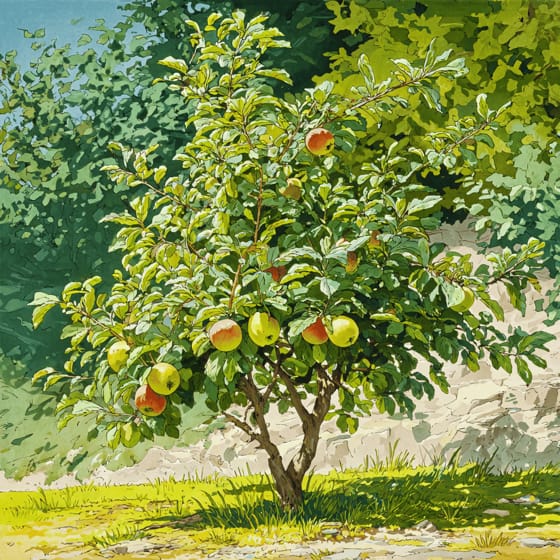
Malus domestica
Its larvae feed on leaves and fruit.
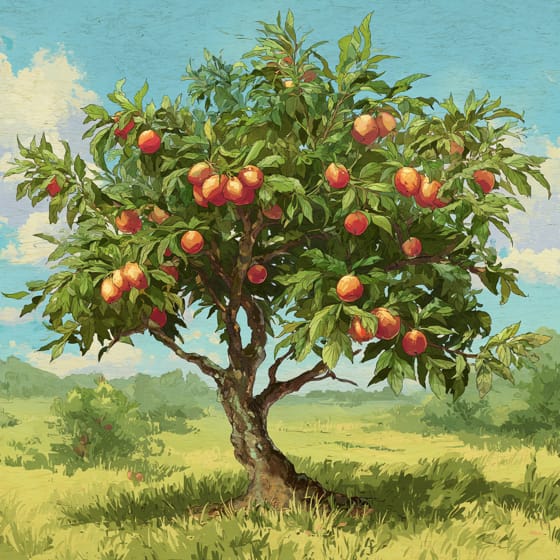
Prunus persica
Caterpillars cause damage to peach crops.
Trichogramma pretiosum
Tiny wasps lay eggs inside the moth's eggs.
Pyrus communis
Larvae can damage pear foliage and fruit.
Solitary animals live alone for most of their lives, only interacting with others for mating or parental care.
Camouflaged describes organisms that possess coloring or patterns that allow them to blend into their environment.
Colorful describes organisms or objects displaying a wide range of bright and distinct colors.
This trait characterizes organisms whose diet consists entirely or primarily of plant material.

Nocturnal animals are primarily active during the nighttime hours, typically resting or sleeping during the day.

Describes organisms that transfer pollen, enabling the fertilization and reproduction of plants.
No aliases listed yet.
Danger
1/5 · Very low
It's safe to watch moths, but don't touch them as they can be delicate.
The easiest way to identify Red-banded Leafroller Moth is to use the Snappit nature identifier app.
12-25 mm
8-10 mm
10-14 days
Young caterpillars eat leaves and fruits, while adults might sip nectar or not feed at all.
Gardens and fields
6
Zoom in to split clusters and explore where this object has been snapped.
Jun 19, 2026
River ParkPhoto attribution
(c) Becca, some rights reserved (CC BY)
License: CC BY 4.0 ↗
Image may be shown cropped inside the card frame.
Jun 19, 2026
River ParkPhoto attribution
(c) Becca, some rights reserved (CC BY)
License: CC BY 4.0 ↗
Image may be shown cropped inside the card frame.
Jun 19, 2026
River ParkPhoto attribution
(c) Becca, some rights reserved (CC BY)
License: CC BY 4.0 ↗
Image may be shown cropped inside the card frame.
Jun 19, 2026
River ParkPhoto attribution
(c) Becca, some rights reserved (CC BY)
License: CC BY 4.0 ↗
Image may be shown cropped inside the card frame.

Tennessee, US
You might spot Monarch and Eastern Tiger Swallowtail.
View guide →
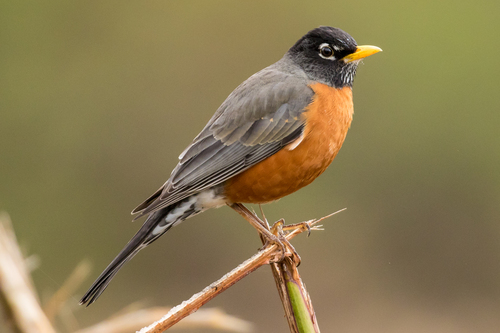
Illinois, US
You might spot American Robin and White-Tailed Deer.
View guide →

Illinois, US
You might spot White-Tailed Deer, Lesser Celandine, and American Robin.
View guide →

Illinois, US
You might spot Polar Bear, Grizzly Bear, and African Lion.
View guide →

Maryland, US
You might spot American Bullfrog and Fowler's Toad.
View guide →

West Virginia, US
You might spot Eastern Black-Legged Tick and Celery Leaftier Moth.
View guide →
Take the discovery with you
Snap it with Snappit to identify it, learn what makes it special, and add the discovery to your collection.








.jpg&width=800)



