





Checkered White
Pontia protodice
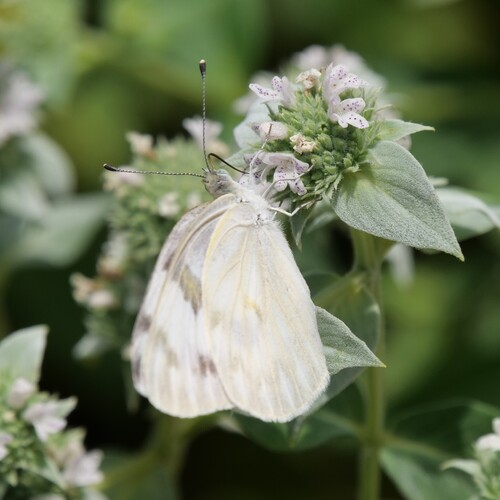
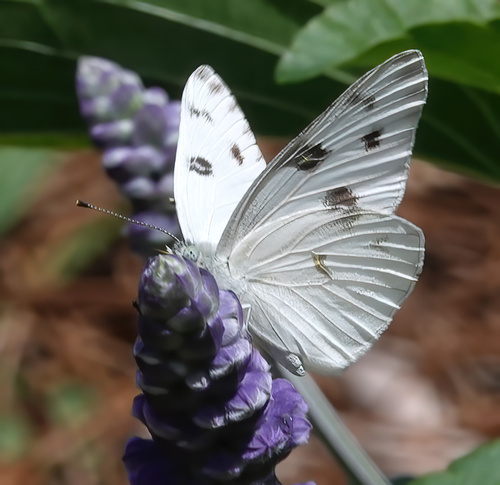
The Checkered White is a beautiful butterfly with white wings and black spots. It flutters around gardens and fields, bringing joy to everyone who sees it!
Habitat: Grasslands
The Checkered White is a medium-sized white butterfly with distinctive black or dark gray checkered markings, especially noticeable on the forewings. Females typically have heavier markings than males, making them appear more mottled compared to other white butterflies.
Category
InsectsRarity
Common
Danger
1/5 · Very low
Snaps
21
Scientists once thought Checkered Whites had disappeared from parts of eastern North America, but they made a comeback!
Their eggs are ribbed and bottle-shaped, often laid individually on the underside of host plant leaves!
Unlike many butterflies, the Checkered White often rests with its wings folded, camouflaging itself as a flower petal.
Wow, these butterflies are called 'pioneer species' because they often appear first in new or disturbed areas!
Checkered White can completely transform from a munching caterpillar into a winged butterfly, allowing them to thrive on different food sources.
Checkered White caterpillars eat mustard plants that contain chemicals, making them taste bad to many predators that might try to eat them.
Checkered Whites can produce several new generations quickly within one season, helping their populations spread and grow.
Adult Checkered Whites sip flower nectar, while their caterpillars munch on leaves of mustard plants.
Age differences: Larvae (caterpillars) eat plant leaves, while adults drink nectar from flowers.
Capsella bursa-pastoris
Larvae feed on the leaves of this common weed.

Brassica oleracea
Caterpillars can be a pest on garden vegetables like cabbage.

Trifolium repens
Adult butterflies visit these flowers for sugary nectar.
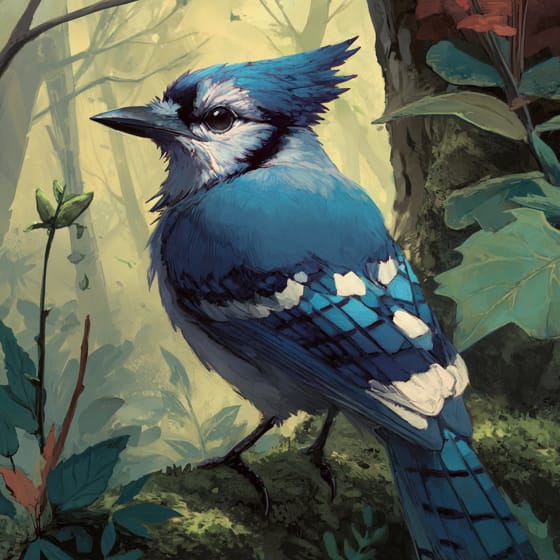
Cyanocitta cristata
Birds like jays are known to snatch butterflies from the air.
Marked with spots or patches of a different color.
Social animals live in organized groups, cooperating for survival benefits such as foraging, defense, and raising offspring.
Colorful describes organisms or objects displaying a wide range of bright and distinct colors.
Grassland habitats are terrestrial biomes dominated by grasses and herbaceous plants, supporting a variety of grazing animals.

This trait characterizes organisms whose diet consists entirely or primarily of plant material.

Describes plants that are particularly attractive and beneficial to a wide range of pollinating organisms.

Diurnal animals are primarily active during daylight hours, typically resting or sleeping at night.

Describes organisms that transfer pollen, enabling the fertilization and reproduction of plants.
Danger
1/5 · Very low
Always watch butterflies from a distance and don't try to catch them.
The easiest way to identify Checkered White is to use the Snappit nature identifier app.
32-51 mm
15-25 mm
30-45 days
12 km/h
Adult Checkered Whites sip flower nectar, while their caterpillars munch on leaves of mustard plants.
Grasslands
Foraging
Zoom in to split clusters and explore where this object has been snapped.
May 30, 2026
BricktownPhoto attribution
(c) Alexandria Szakacs, some rights reserved (CC BY)
License: CC BY 4.0 ↗
Image may be shown cropped inside the card frame.
Apr 26, 2026
Matanzas State ForestPhoto attribution
(c) Pam Kleinsasser, some rights reserved (CC BY)
License: CC BY 4.0 ↗
Image may be shown cropped inside the card frame.

Texas, US
You might spot Anole, Monarch, and Pinkladies.
View guide →

Arizona, US
You might spot Christmas Cholla and California Barrel Cactus.
View guide →

California, US
You might spot Western Fence Lizard and Pacific Poison Oak.
View guide →

Oklahoma, US
You might spot Monarch, American Bumble Bee, and Gulf Fritillary.
View guide →

California, US
You might spot Western Fence Lizard and Springtime Amanita.
View guide →

Kansas, US
You might spot African Elephant, Gorilla, and Panthera Pardus Orientalis.
View guide →
Take the discovery with you
Snap it with Snappit to identify it, learn what makes it special, and add the discovery to your collection.






.jpg&width=800)



