Milky Slug
deroceras reticulatum
The Milky Slug is a soft, slimy creature that glides across the ground, leaving a shiny trail behind! This little slug loves to munch on leaves and other plants in the garden.
Habitat: Gardens, forests, and grassy areas.
The Milky Slug is typically a pale grey or brown slug with a distinctive, often net-like pattern on its back. It has a slightly translucent appearance, making it look 'milky,' and two pairs of retractable tentacles on its head. Its soft body lacks a shell, distinguishing it from snails.
Category
InvertebrateRarity
Common
Danger
0/5 · No known danger
Snaps
2
A Milky Slug's brain is no bigger than a pinhead, yet it navigates complex environments!
Milky Slugs are hermaphrodites, meaning each slug has both male and female reproductive organs!
These slugs can survive short periods underwater by closing their breathing hole!
They breathe through a small hole on their right side called a pneumostome, which opens and closes!
Milky Slug has a sticky, defensive slime that makes it hard for predators to grasp and protects its soft body from drying out.
Milky Slug has two pairs of retractable tentacles: one pair detects light, and the other helps it smell and feel its way around.
Milky Slug can regrow lost tentacles or damaged parts, helping it recover from minor injuries or predator attacks.
Milky Slugs are omnivores, munching on a variety of plants, fungi, and decaying matter.
Turdus merula
Blackbirds frequently forage for slugs in gardens and fields.
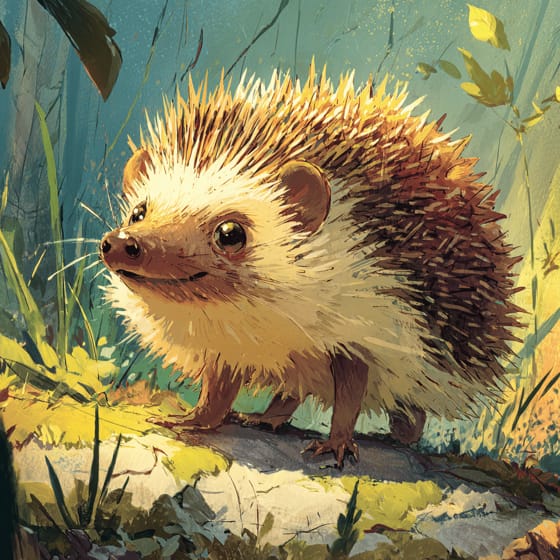
Erinaceus europaeus
Hedgehogs are natural predators, consuming many slugs and snails.
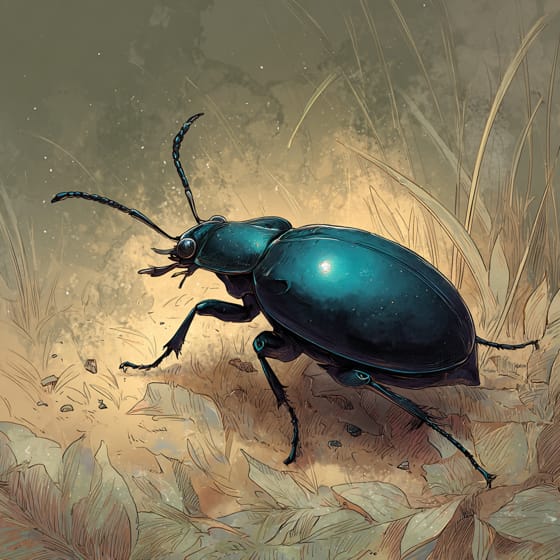
Carabus nemoralis
Many species of ground beetles prey on slugs and their eggs.

Lactuca sativa
The Milky Slug often feeds on tender plant leaves, including lettuce.
Solitary animals live alone for most of their lives, only interacting with others for mating or parental care.
Grassland habitats are terrestrial biomes dominated by grasses and herbaceous plants, supporting a variety of grazing animals.
This trait characterizes organisms whose diet consists entirely or primarily of plant material.
Describes organisms that break down dead organic material, recycling nutrients back into the ecosystem.

Nocturnal animals are primarily active during the nighttime hours, typically resting or sleeping during the day.
Danger
0/5 · No known danger
No special safety notes yet.
The easiest way to identify Milky Slug is to use the Snappit nature identifier app.
2-5 cm
0.5-3 g
0.5-2 years
Milky Slugs are omnivores, munching on a variety of plants, fungi, and decaying matter.
Gardens, forests, and grassy areas.
Foraging
Zoom in to split clusters and explore where this object has been snapped.

New York, US
You might spot American White Waterlily, Buttonbush, and Common Milkweed.
View guide →

Massachusetts, US
You might spot Turkey, Garter Snake, and Multiflora Rose.
View guide →
_(16639600986).jpg)
New York, US
You might spot White Mulberry and Striped Greenhouse Slug.
View guide →
Take the discovery with you
Snap it with Snappit to identify it, learn what makes it special, and add the discovery to your collection.