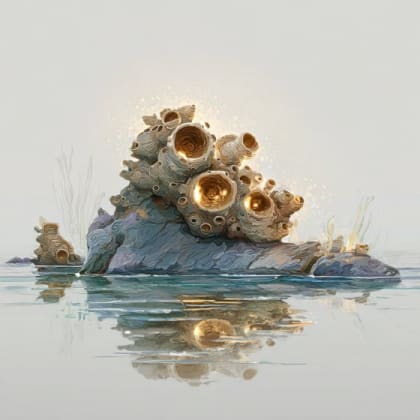
Rock-pocketbook
Arcidens confragosus
The Rock-pocketbook is a special kind of clam that lives in rivers. It has a unique shell that looks like a little pocket, perfect for hiding away from predators.
Habitat: Freshwater rivers
The Rock-pocketbook is a freshwater mussel with a thick, oval to squarish shell, often tan to dark brown. Its surface is rough, covered with noticeable bumps and wrinkles, giving it a 'rocky' appearance. The inside of the shell is typically a pearly white color.
Category
InvertebrateRarity
Common
Danger
1/5 · Very low
Snaps
Be the first to snap!
Baby Rock-pocketbooks must attach to a fish's gills or fins to grow!
Rock-pocketbooks breathe underwater by using feathery gills hidden inside their shells!
They use a powerful, muscular "foot" to slowly crawl and bury themselves in the mud!
This mussel can close its shell super tight and survive for weeks without eating!
Rock-pocketbook can filter tiny food particles and pollutants from water because of specialized gills, which helps keep rivers clean.
Rock-pocketbook has a strong muscular foot that helps them burrow into riverbeds for stability and protection from strong currents.
Rock-pocketbook can wiggle a fleshy flap on their shell that looks like a tiny fish, attracting real fish to help spread their babies.
These mussels filter tiny food particles and algae from the water using special gills.

Procyon lotor
Raccoons often eat these mussels.
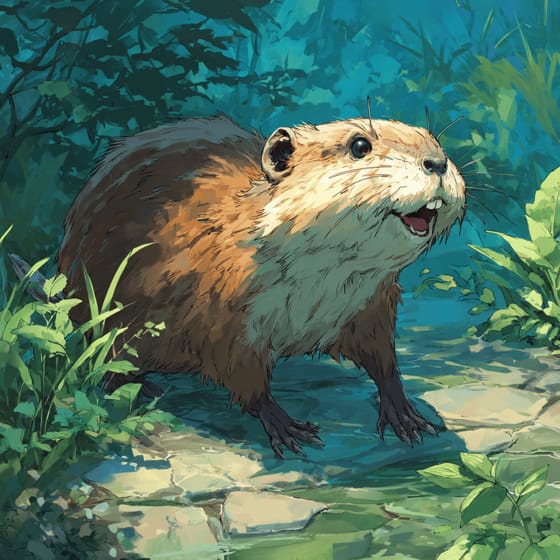
Ondatra zibethicus
Muskrats dig up mussels from riverbeds.
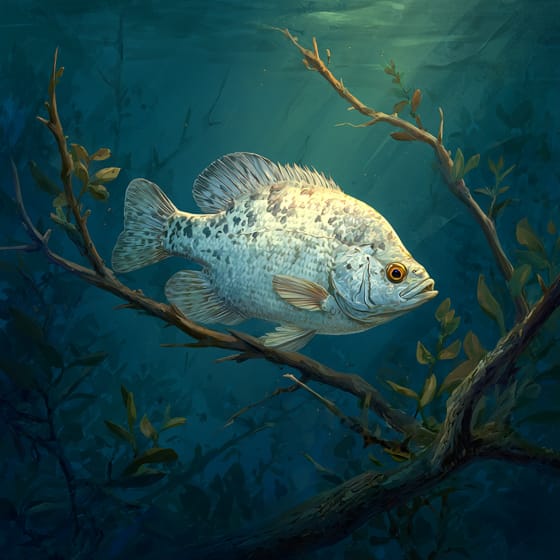
Pomoxis annularis
Young mussels briefly attach to their gills for development.
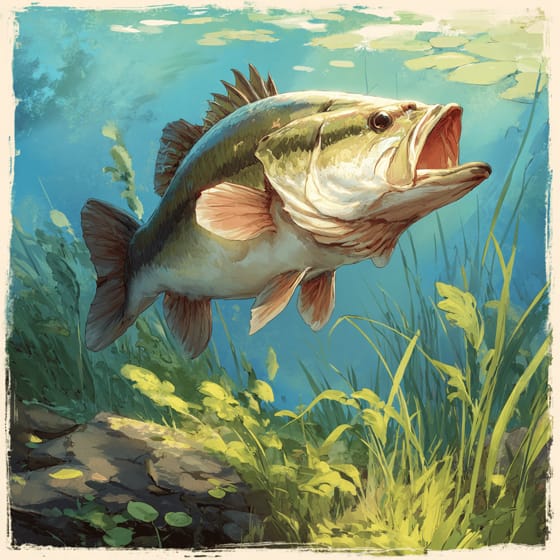
Micropterus salmoides
Larval mussels attach to these fish to spread.
Social animals live in organized groups, cooperating for survival benefits such as foraging, defense, and raising offspring.
Colorful describes organisms or objects displaying a wide range of bright and distinct colors.
Filter feeders obtain nutrients by straining suspended food particles and small organisms from water.
This trait characterizes organisms whose diet consists entirely or primarily of plant material.

This trait characterizes organisms with an exceptionally long lifespan compared to others of their kind.

Freshwater habitats include non-saline aquatic environments such as rivers, lakes, ponds, and wetlands, vital for numerous species.

Describes a species whose presence and role have a disproportionately large effect on its environment.

Endangered status indicates a species is at a very high risk of extinction in the wild in the near future.
No aliases listed yet.
Danger
1/5 · Very low
Be careful near water and always have an adult with you.
The easiest way to identify Rock-pocketbook is to use the Snappit nature identifier app.
70-150 mm
3650-7300 days
These mussels filter tiny food particles and algae from the water using special gills.
Freshwater rivers
Filter Feeding
Zoom in to split clusters and explore where this object has been snapped.
Recent snaps will appear here as new observations are added.
Take the discovery with you
Snap it with Snappit to identify it, learn what makes it special, and add the discovery to your collection.